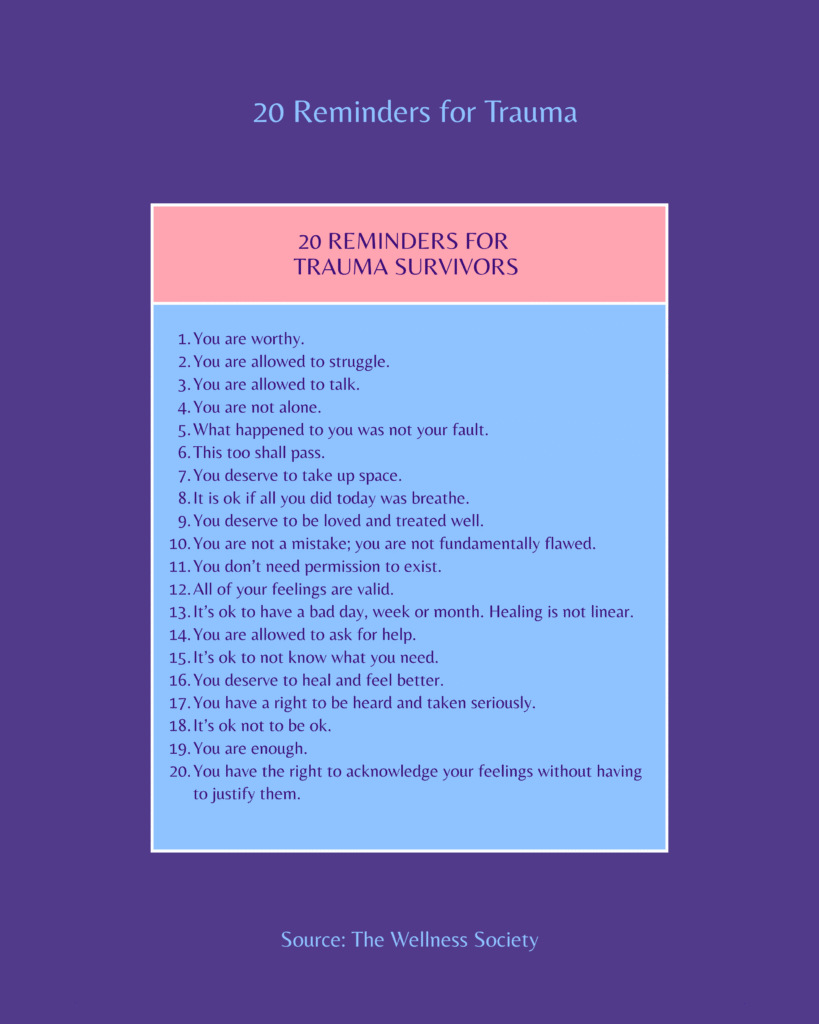
The Emotion Wheel
The Emotion Wheel is a simple yet powerful tool that helps you better understand and articulate your feelings. By starting with core emotions—anger, fear, disgust, sadness, surprise, and happiness—it guides you outward into more specific and nuanced emotional states like frustration, insecurity, or joy. This wheel makes it easier to name what you’re feeling and begin processing it with clarity and compassion.
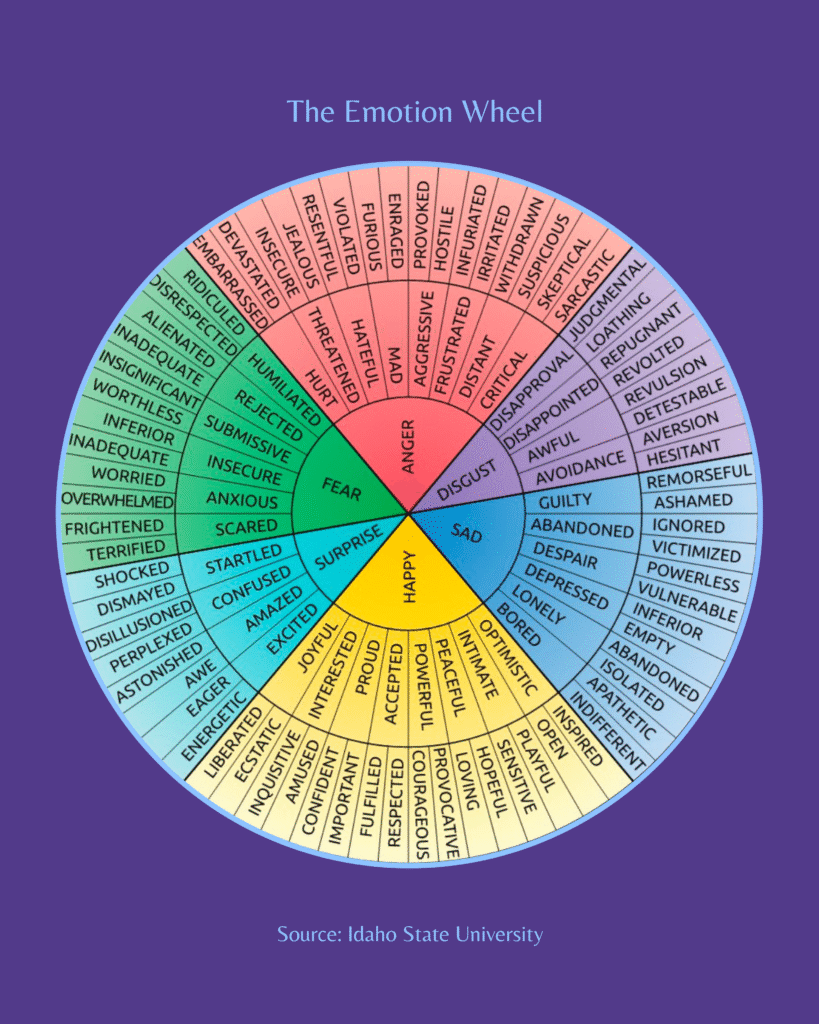
5-4-3-2-1 Grounding
The 5-4-3-2-1 grounding technique is a mindfulness exercise that helps reduce anxiety and stress by reconnecting you with the present moment through your senses: Name 5 things you see, 4 things you can touch, 3 sounds you hear, 2 scents you smell, and 1 taste—shifting focus away from overwhelming thoughts and into your immediate surroundings to restore calm and focus.
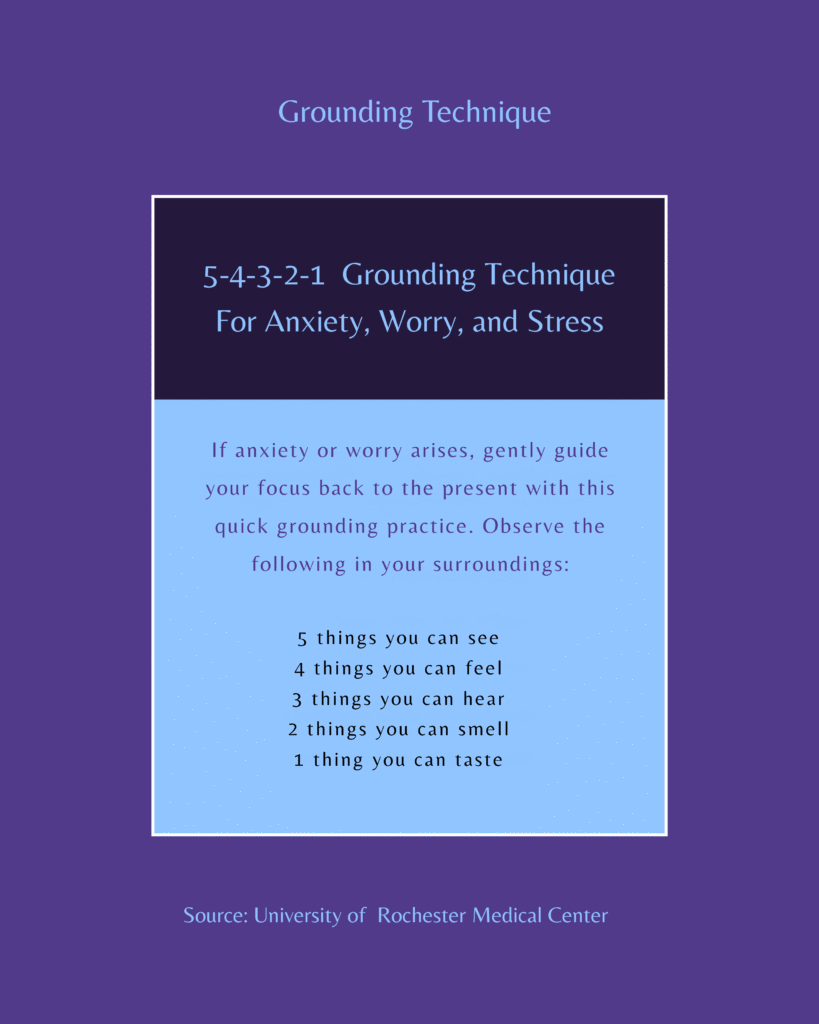
Staying Calm Before Events
Feeling nervous before an event? These 4 research-based techniques can help you stay calm: regulate breathing with the 3-3-3 method, relax through vocal toning, lighten the mood with humor, and visualize peaceful scenes. Whether you are facing presentations or social situations, these tools can steady your nerves and improve performance.
Staying Calm Before Events
Feeling nervous before an event? These 4 research-based techniques can help you stay calm: regulate breathing with the 3-3-3 method, relax through vocal toning, lighten the mood with humor, and visualize peaceful scenes. Whether you are facing presentations or social situations, these tools can steady your nerves and improve performance.
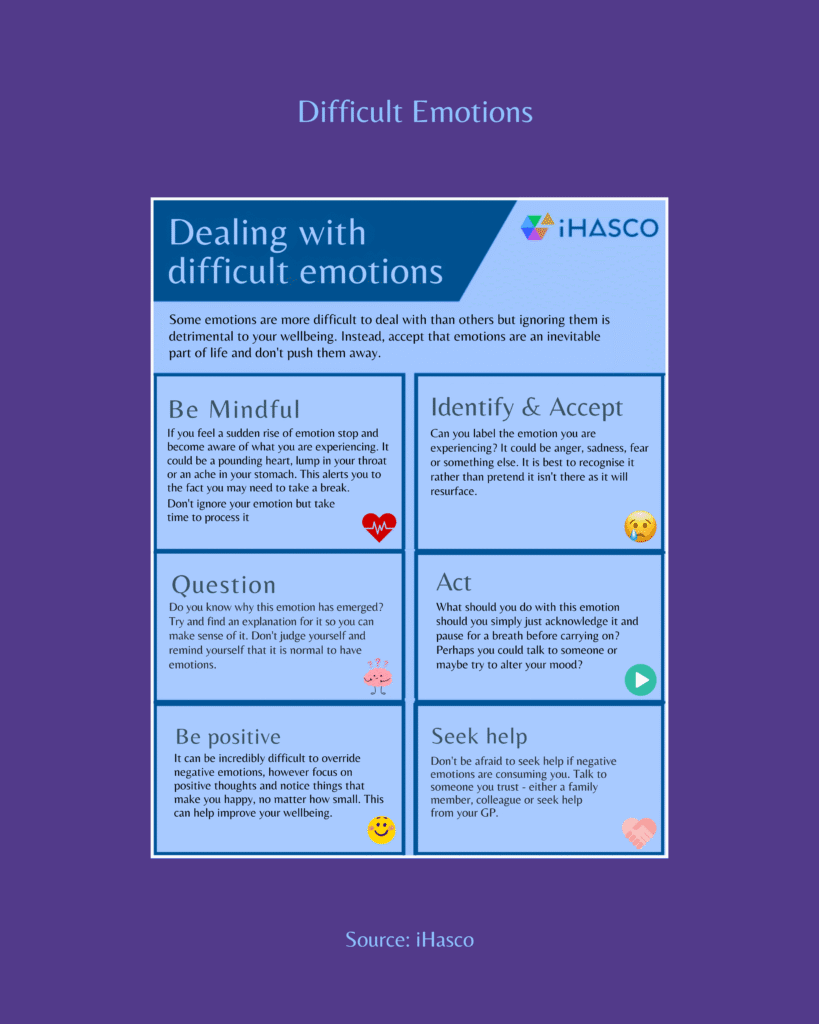
Difficult Emotions
Difficult emotions are part of being human—ignoring them only makes things harder. This guide walks you through mindful ways to process them: pause and notice physical cues, name the emotion without judgment, and choose helpful responses like positive reframing or reaching out. Whether it’s anger, sadness, or fear, acknowledging these feelings is the first step toward managing them well. If emotions feel overwhelming, remember: seeking support is a strength, not a weakness.
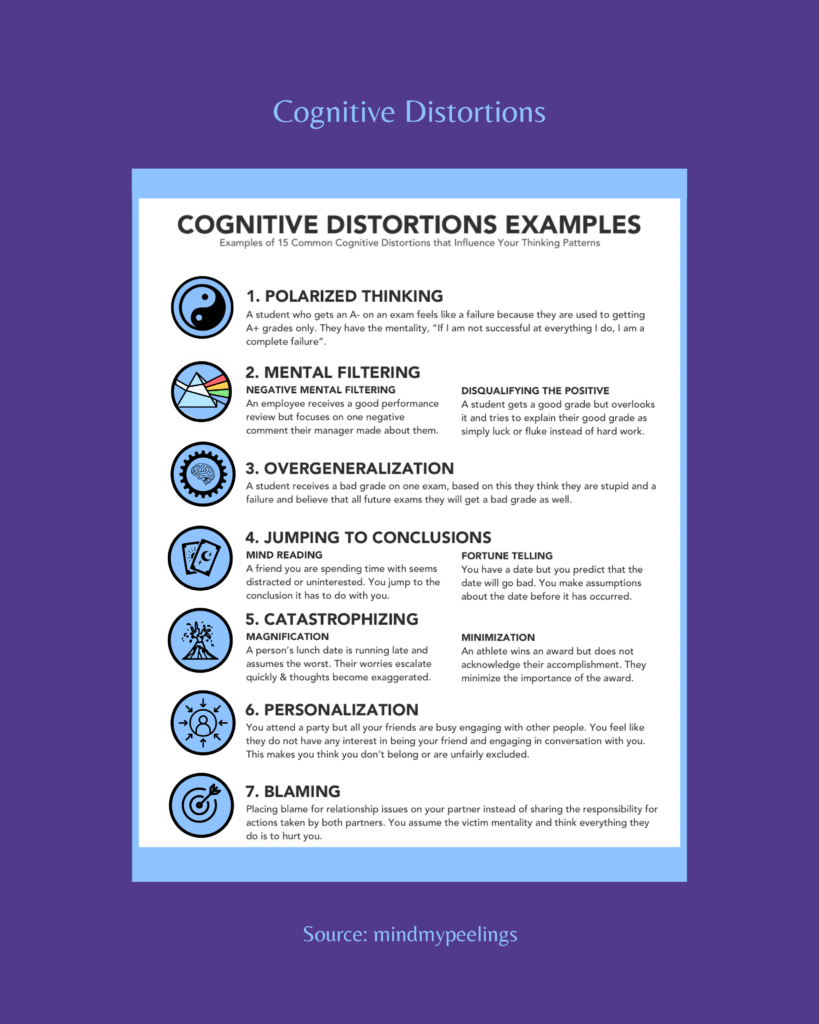
Cognitive Distortions
This Cognitive Distortions chart highlights common thinking traps that can negatively influence how we perceive ourselves, others, and everyday situations. Each example helps illustrate how our thoughts can become distorted without realizing it. By recognizing these patterns, we can start to shift toward more balanced and realistic thinking, ultimately improving our emotional well-being and relationships.
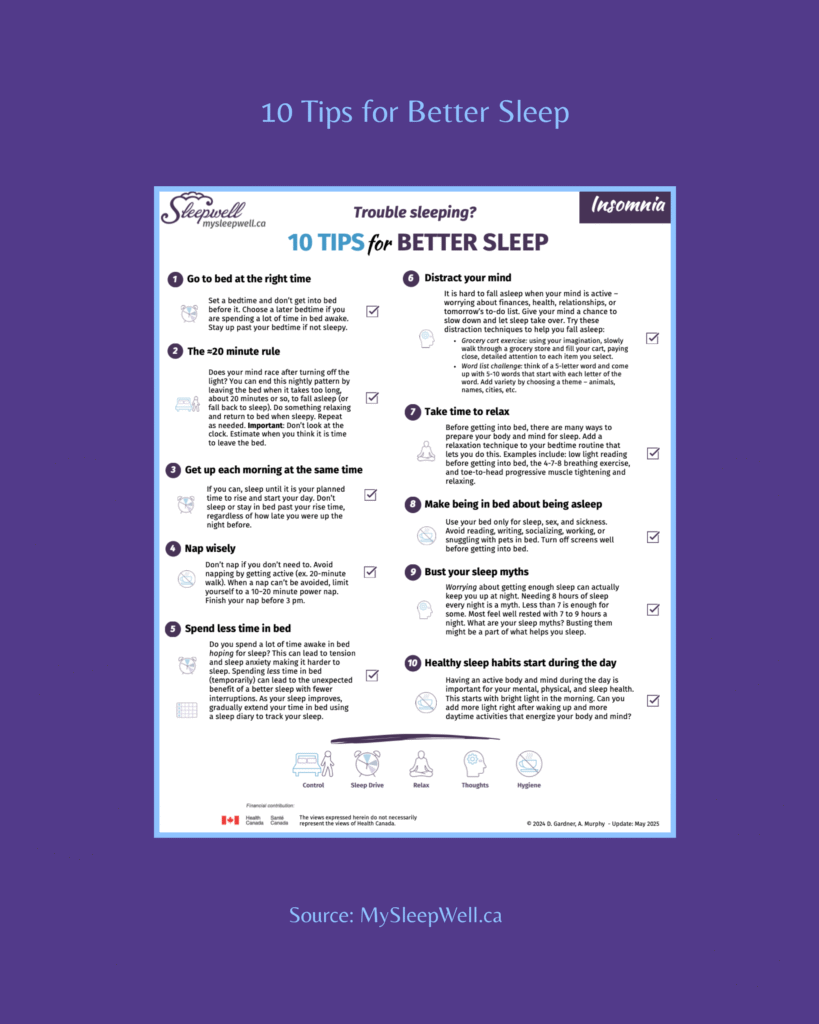
10 Tips for Better Sleep
Struggling with sleep? These 10 science-backed tips can transform your nights: master your sleep schedule, use the 20-minute rule, and quiet your mind. Deep, restorative sleep lowers stress and boosts mental clarity, while sleep deprivation fuels anxiety. Discover how CBTi—the gold-standard insomnia treatment—can help you reclaim restful nights and energized days.
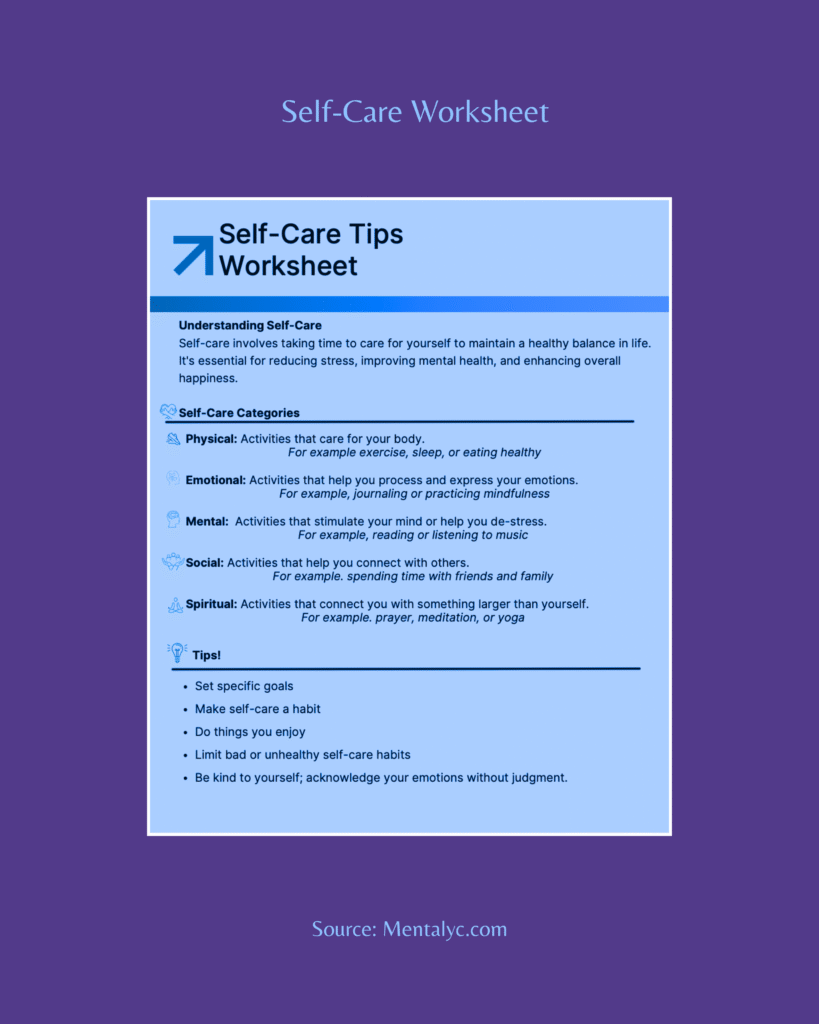
Self-Care Worksheet
This worksheet helps you build a personalized self-care routine across five key areas of wellness. Discover practical activities for each category, along with tips to make self-care an ongoing practice. By intentionally nurturing different aspects of your wellbeing, you’ll create sustainable habits that reduce stress and enhance daily life.
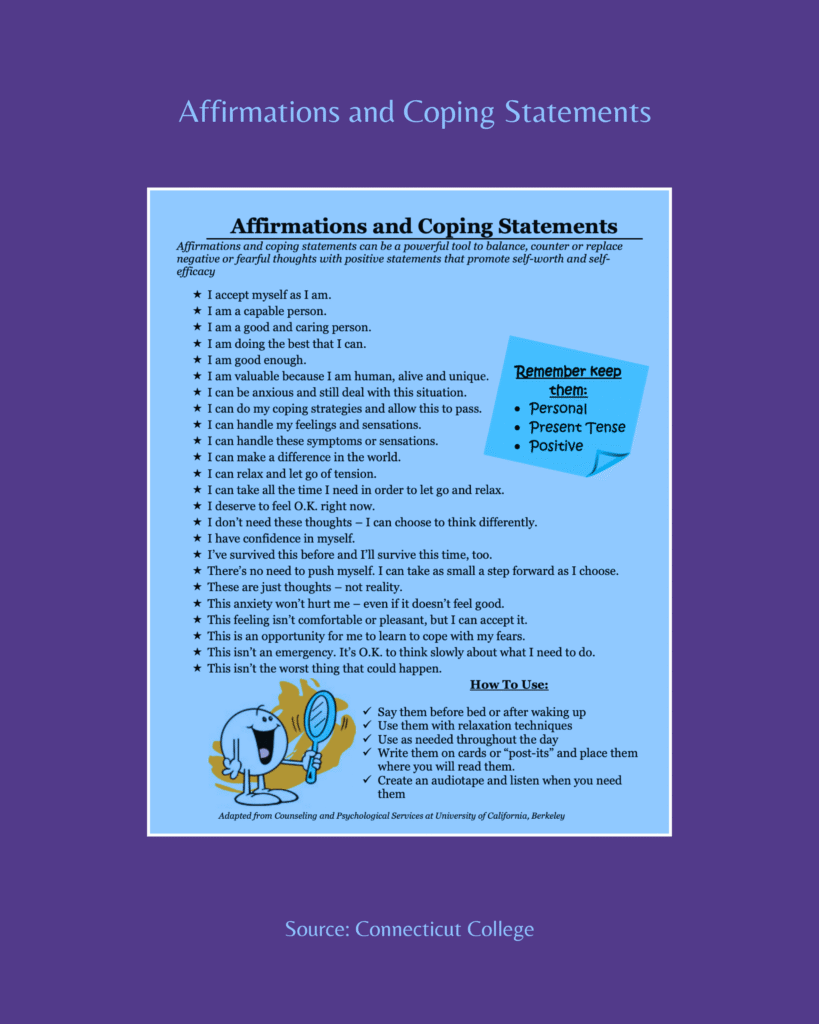
Affirmations and Coping Statements
Need a mindset reset? This powerful affirmation worksheet offers 25+ research-backed statements to combat negative thinking. Designed for daily use—these present-tense, positive phrases rewire self-doubt into self-efficacy. Backed by UC Berkeley’s psychological services, they help manage anxiety, build resilience, and reinforce worth during challenging moments.
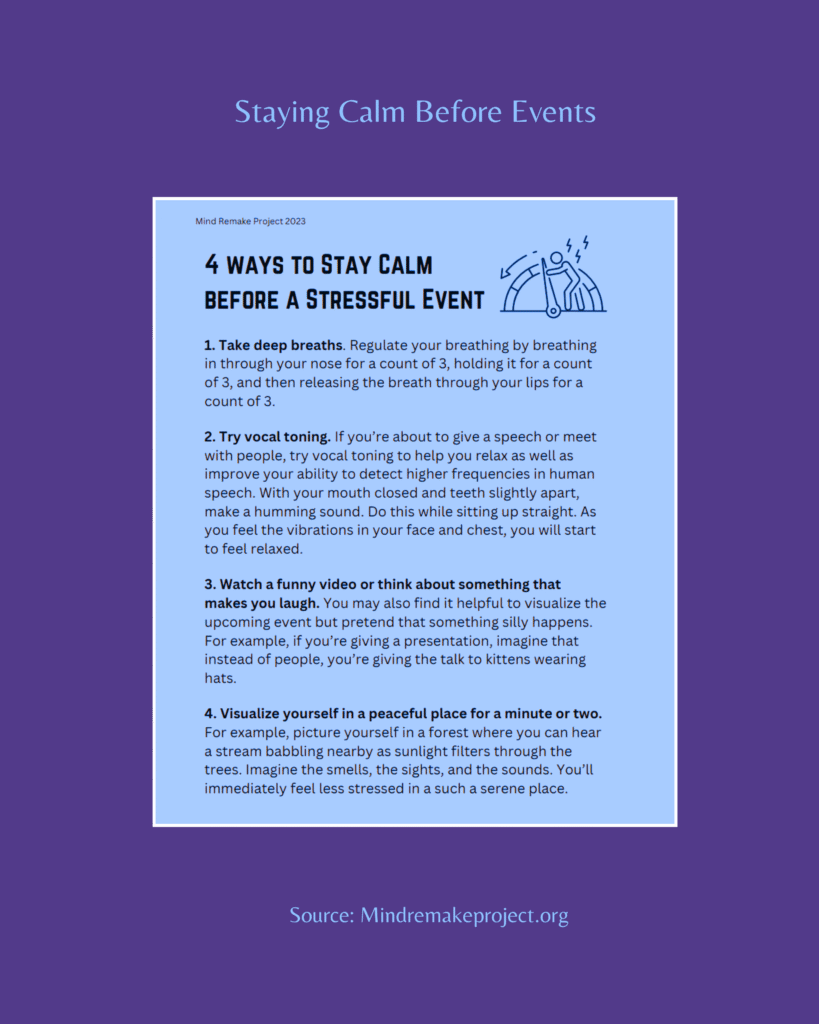
20 Reminders for Trauma Survivors
Healing from trauma is a journey, and these 20 reminders offer compassion and validation for every step. Whether you’re struggling with self-worth, guilt, or overwhelming emotions, this list reaffirms your right to exist, feel, and ask for help. Trauma survivors often carry invisible burdens—these words gently unpack them, emphasizing that healing isn’t linear, your feelings matter, and you are never alone. If some days all you can do is breathe, that’s enough. Bookmark this as a lifeline for hard moments, and remember: support is always within reach.