In recent years, online therapy has shifted from being an alternative to a primary form of mental health care for many Ontarians. With the rapid expansion of secure video platforms, text-based services, and telehealth integrations, clients can now access professional help without leaving their homes. For people with busy schedules, mobility challenges, or those living in rural areas, online therapy removes geographical and logistical barriers. In Ontario, this growth has been fueled by both private practices and public health programs integrating virtual options. Not only does it make therapy more accessible, but it can also create a comfortable environment for clients who feel more at ease opening up from their own space. Understanding how online therapy works—and why it’s becoming such a popular choice—can help you determine whether it’s the right path for your mental health journey.
How Online Therapy Works
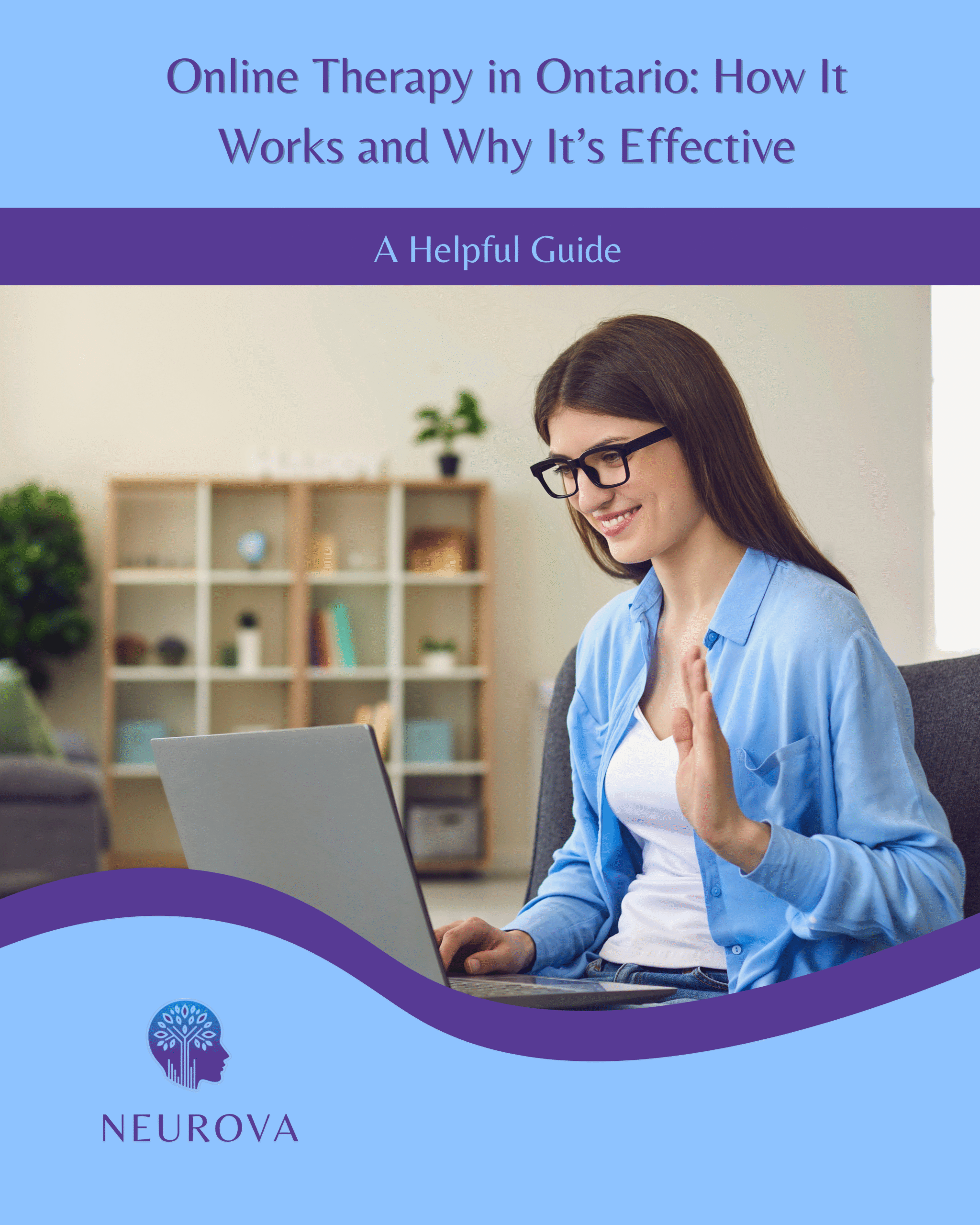
Online therapy typically takes place through secure video conferencing platforms that comply with privacy regulations like Ontario’s Personal Health Information Protection Act (PHIPA). After booking your first session, you’ll receive a link to join at a set time, similar to a Zoom or Teams meeting, but with additional encryption and security measures. Some providers also offer phone sessions, live chat, or even asynchronous messaging therapy, where you can send messages and receive responses within a set timeframe. The flexibility allows you to choose a format that fits your needs, whether you prefer face-to-face interaction or written communication. Before your first session, most therapists will send intake forms to understand your concerns, history, and goals. This preparation ensures your time together is productive and tailored to your specific needs.
Why Online Therapy Has Gained Popularity in Ontario
The rise in online therapy in Ontario can be attributed to several factors. First, the pandemic forced many in-person services to move online, and both therapists and clients realized the benefits of virtual care. Second, Ontario’s diverse population includes many people in remote or rural communities, where access to mental health services is limited. Online therapy bridges that gap without the need for travel. Third, many people find online sessions less intimidating than walking into a clinic or office, which can reduce stigma and encourage more people to seek help. In addition, the flexibility of scheduling sessions outside traditional work hours has made therapy more practical for busy professionals and parents. As internet connectivity improves across the province, online therapy continues to be an increasingly viable option.
Benefits of Online Therapy
One of the biggest advantages of online therapy is convenience—you can attend from anywhere with a stable internet connection, whether that’s your home, office, or even while traveling within Ontario. This eliminates the stress of commuting, parking, or finding time in a busy day to get to a clinic. For people with mobility limitations or chronic health issues, online therapy offers a way to maintain consistent mental health support without the physical strain of travel.
Privacy is another key benefit; you can choose a comfortable, safe environment to open up. Many clients also report that being in their own space helps them feel more relaxed, leading to deeper and more productive conversations. Financially, online therapy can sometimes cost less, as therapists may have lower overhead expenses and pass those savings along to clients. Overall, the accessibility, flexibility, and comfort make online therapy an attractive choice for many Ontarians.
Common Concerns and Misconceptions
Despite its popularity, online therapy still faces skepticism from some clients. A common misconception is that it’s less effective than in-person sessions. However, numerous studies—including those conducted in Canada—show that virtual therapy can be just as effective as face-to-face therapy, particularly for conditions like anxiety, depression, and stress management. Another concern is privacy and data security. Licensed therapists in Ontario are required to use PHIPA-compliant platforms, ensuring confidentiality and secure transmission of information.
Some people also worry about the lack of non-verbal cues in virtual sessions, but skilled therapists are trained to adapt their techniques to online formats, paying attention to tone, language, and visible facial expressions. Lastly, there’s a misconception that online therapy is only for younger, tech-savvy individuals—when in reality, people of all ages in Ontario are benefiting from it.
Choosing the Right Online Therapist in Ontario
Selecting the right therapist is essential for a successful online therapy experience. In Ontario, you’ll find a variety of licensed professionals, including registered psychotherapists, social workers, and psychologists. It’s important to confirm that your therapist is licensed to practice in Ontario, as provincial regulations require this for therapy to be both ethical and insurable. Look for someone with expertise in the issues you want to address, whether that’s trauma, relationship challenges, workplace stress, or mood disorders. Many therapists offer a free 15–20 minute consultation so you can see if their style matches your needs. Reading client reviews, checking professional directories, and asking about their approach (such as CBT, solution-focused therapy, or mindfulness-based methods) can help you make an informed choice.
Technology Requirements and Preparation
One of the keys to a smooth online therapy session is having the right technology. You’ll need a device with a camera and microphone—most laptops, tablets, and smartphones are sufficient. A stable internet connection is essential to avoid interruptions. Before your session, test your setup to ensure the video and audio work well. Choose a quiet, private space where you won’t be interrupted, and consider using headphones for added privacy. Lighting also matters—sit facing a light source so your therapist can see you clearly. Some clients also like to keep a glass of water, tissues, or a notepad nearby to jot down insights during the session. By preparing ahead of time, you create a more professional and focused environment that supports productive therapy.
Accessibility for Remote and Rural Areas
Ontario’s vast geography means that many communities don’t have easy access to in-person therapy. For residents in remote or rural areas, online therapy can be a lifeline. It allows clients to work with specialists in larger cities like Toronto, Ottawa, or London without the need for extensive travel. This is particularly beneficial for niche services, such as therapy in a client’s native language, trauma-focused treatments, or culturally sensitive approaches. Some therapists also blend online sessions with occasional in-person visits for clients who can travel occasionally but not regularly. The provincial government and several non-profits are also working to expand internet infrastructure, making online therapy more feasible for underserved areas.
Cost and Insurance Coverage in Ontario
The cost of online therapy in Ontario can vary depending on the therapist’s credentials, experience, and the type of service offered. Rates typically range from $100 to $200 per session for private therapy. Many extended health insurance plans in Ontario cover virtual sessions with registered professionals, so it’s worth checking your policy. Some employers also offer Employee Assistance Programs (EAPs) that include online therapy sessions at no cost to the employee. For those without insurance, sliding scale fees may be available based on income. Additionally, certain community organizations and university programs offer free or low-cost online therapy to residents. Understanding your options upfront can make mental health support more financially accessible.
Effectiveness of Online Therapy Compared to In-Person Therapy
Multiple research studies have demonstrated that online therapy can be just as effective as in-person therapy for many mental health conditions. For example, cognitive behavioural therapy delivered online has been shown to produce results comparable to in-person CBT in treating depression and anxiety. Some clients even prefer the virtual setting because it allows them to integrate therapy into their daily lives more easily. Of course, there are exceptions—clients in crisis or those requiring certain intensive interventions may benefit more from in-person support. However, for the majority of people seeking ongoing mental health support, online therapy is a practical and highly effective alternative.
How to Get Started with Online Therapy in Ontario
Getting started with online therapy is relatively straightforward. First, decide on the type of therapist you’d like to work with—psychotherapist, social worker, or psychologist—and ensure they’re licensed in Ontario. Then, search professional directories, therapy platforms, or ask for referrals from friends, doctors, or community organizations. Contact a few therapists to inquire about their approach, availability, and fees. Once you’ve chosen one, they’ll send intake forms and instructions for accessing the virtual platform. From there, your first session will be much like an in-person one: discussing your goals, concerns, and expectations. Over time, you and your therapist will work together to develop strategies for managing your mental health.
FAQ – Online Therapy in Ontario
Q: Is online therapy covered by OHIP?
A: Generally, OHIP does not cover therapy provided by psychotherapists or social workers, but it may cover services from psychiatrists or doctors offered online.
Q: Can I do therapy by phone instead of video?
A: Yes, many therapists offer phone sessions, which can be helpful for those without reliable internet.
Q: What if my internet drops during a session?
A: Most therapists will have a backup plan, such as continuing by phone or rescheduling the remaining time.
Q: Are online therapy platforms safe?
A: Licensed Ontario therapists must use PHIPA-compliant platforms with encryption to protect your information.
Q: Can I access specialized therapy online?
A: Absolutely. Many specialists, such as trauma therapists or couples counsellors, work virtually.
Q: Is online therapy suitable for teens?
A: Yes, with parental consent, teens can benefit greatly from online therapy, especially if they are more comfortable with technology.
Q: Do I have to live in Ontario to work with an Ontario therapist?
A: Typically, yes. Therapists are licensed to work with clients in the province where they are registered.
Q: How long are sessions?
A: Standard sessions last about 50 minutes, but some therapists offer shorter or longer formats depending on your needs.
Final Thoughts
Online therapy in Ontario has transformed the way people access mental health support. With its flexibility, accessibility, and proven effectiveness, it offers a powerful alternative to traditional in-person sessions. Whether you live in downtown Toronto or a rural Northern Ontario community, virtual therapy can connect you with skilled professionals who can help you navigate life’s challenges.
If you’re ready to explore online therapy options, visit https://neurova.ca/therapy/ to book your first session today. Our experienced team at Neurova offers evidence-based, compassionate care tailored to your needs—helping you take the next step toward better mental health from the comfort of your own home.