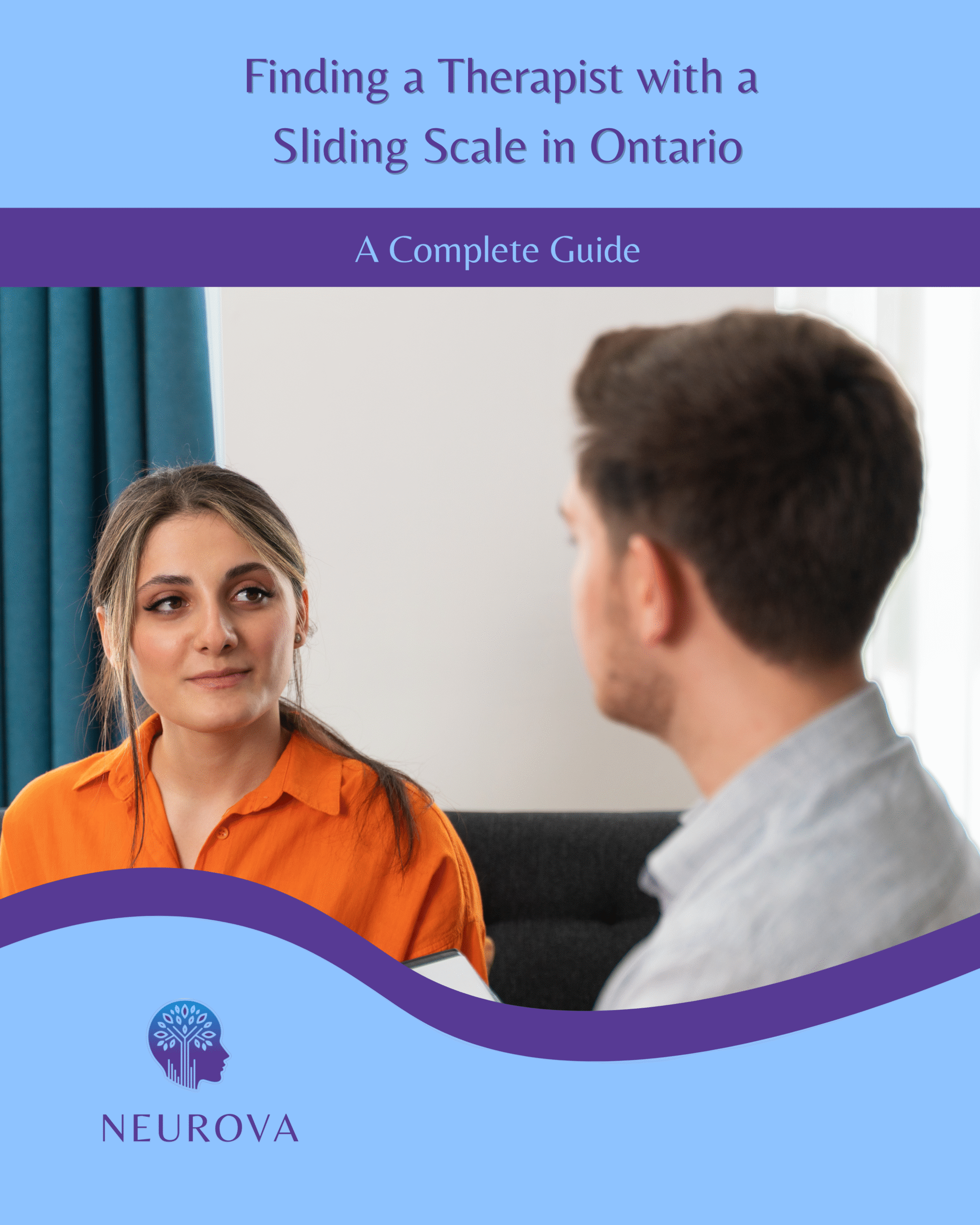
Mental health care is essential, but for many people in Ontario, cost is one of the biggest barriers to getting help. Private therapy sessions can range from $100 to $250 or more per hour, which can feel out of reach for individuals or families on a tight budget. This is where sliding scale therapy comes in. A sliding scale fee structure adjusts the cost of therapy based on a client’s income, financial circumstances, or life situation. Instead of charging a flat rate to everyone, the therapist offers a range of prices so people who earn less can still access professional support.
Sliding scale rates are not “discounts” in the traditional sense—they’re part of a conscious effort to make mental health care more equitable and inclusive. This approach allows therapists to serve a wider range of clients, ensuring that financial limitations don’t prevent people from receiving the care they need. In Ontario, sliding scale therapy is offered by many independent practitioners, nonprofit clinics, and community organizations. For people without insurance or adequate benefits, it can be the difference between getting help now and putting it off indefinitely.
Why Therapists Offer Sliding Scale Rates
Therapists choose to offer sliding scale rates for a variety of reasons, but at the heart of it is a commitment to making mental health care accessible. Many mental health professionals recognize that therapy is not a luxury—it’s a necessity for emotional well-being, relationships, work performance, and overall quality of life. They understand that without financial flexibility, many people in need might never walk through their door.
Offering a sliding scale can also help therapists reach underserved communities, including students, single parents, newcomers to Canada, and people working in lower-paying jobs. In Ontario, where public funding for therapy is limited to specific situations (like OHIP-covered hospital services), most people must pay out-of-pocket for private therapy. By adjusting their rates, therapists can bridge this gap.
From a professional standpoint, sliding scale arrangements can also build stronger client relationships. When clients feel their therapist understands and supports their financial reality, it can foster trust and a sense of partnership in the therapeutic process. In this way, sliding scale therapy benefits not only the client but also the therapist’s ability to connect meaningfully with their community.
How Sliding Scale Therapy Works
Sliding scale therapy generally follows a structured approach. The therapist sets a range of rates—for example, $60 to $160 per session—and determines where a client falls based on their income, expenses, or life situation. Some therapists have formal income brackets, while others assess each case individually.
In most cases, you’ll be asked to provide some information about your financial situation during the intake process. This might include your household income, whether you have dependents, or any exceptional expenses such as medical bills. From there, the therapist and client agree on a session fee that feels fair and manageable.
Sliding scale rates may be temporary or ongoing. For example, if your circumstances change—such as losing a job or taking on additional expenses—you may be able to request a new rate. On the flip side, if your financial situation improves, some therapists may adjust your rate upward so they can continue supporting lower-income clients.
While this approach requires transparency and honest communication, it ensures that therapy remains sustainable for both the client and the practitioner.
Types of Professionals Who May Offer Sliding Scale Services
Sliding scale fees aren’t limited to one type of mental health professional. In Ontario, you might find them offered by:
- Registered Psychotherapists (RPs): Often in private practice, these therapists frequently use sliding scale models to serve a diverse client base.
- Registered Social Workers (RSWs): Many social workers in private practice offer flexible rates, and their services may also be covered by extended health benefits.
- Psychologists: Some psychologists, particularly in community-based or nonprofit settings, provide sliding scale options.
- Counsellors and Coaches: While not all are regulated, many independent counsellors offer reduced fees for clients with financial limitations.
It’s worth noting that sliding scale availability may be more common among private practitioners than larger clinics, though some multidisciplinary clinics in Ontario incorporate it as part of their accessibility policies.
Benefits of Choosing Sliding Scale Therapy
The most obvious benefit of sliding scale therapy is financial—paying less per session makes it possible to attend therapy more regularly without breaking your budget. This consistency can be critical for progress, especially when addressing long-term challenges like anxiety, depression, or trauma.
Beyond affordability, sliding scale therapy also helps reduce the mental load of worrying about cost. Instead of calculating whether you can afford each upcoming session, you can focus on the work you’re doing in therapy. Knowing your therapist understands your financial situation can also create a stronger sense of safety and empathy in the therapeutic relationship.
In addition, sliding scale therapy allows people to access specialized care that might otherwise be out of reach. Whether you need a therapist with expertise in trauma recovery, LGBTQ+ issues, or family counselling, sliding scale pricing can open the door to more options.
How to Find a Sliding Scale Therapist in Ontario
If you’re looking for a sliding scale therapist in Ontario, start by checking professional directories such as Psychology Today, the Ontario Society of Registered Psychotherapists, or the Ontario College of Social Workers and Social Service Workers. Many listings include fee information and indicate whether sliding scale rates are available.
Community health centres, nonprofits, and local mental health organizations are also excellent resources. Some offer therapy for free or at significantly reduced rates, often supported by government or charitable funding.
You can also contact private clinics directly to ask about sliding scale availability. At Neurova, for example, we offer flexible pricing to ensure that cost doesn’t stand in the way of getting the support you need. The key is to ask—many therapists don’t advertise their sliding scale options but are open to discussing them.
Questions to Ask Before Starting Sliding Scale Therapy
Before committing to sliding scale therapy, it’s important to clarify a few details:
- What is the fee range? Understanding the highest and lowest possible rates can help you assess affordability.
- How is my rate determined? Ask whether it’s based on income, household size, or other factors.
- Will my rate change over time? Find out if adjustments happen periodically.
- Are there session limits? Some therapists limit the number of sliding scale clients they accept at one time.
- What payment methods are accepted? Confirm if e-transfer, credit card, or direct billing to insurance is possible.
Asking these questions upfront helps ensure there are no surprises later.
Student Access to Sliding Scale or Free Therapy
Students in Ontario often have access to additional supports beyond sliding scale therapy. Many colleges and universities offer free short-term counselling through student wellness centres, while high school students may receive mental health services through their school boards.
At Neurova, we go one step further by offering fully covered therapy options for eligible students. If you’re in post-secondary school, we can work with your student health plan or find other funding sources to ensure you don’t pay out-of-pocket. This means you can focus on your studies and your well-being without the added stress of financial strain.
FAQ – Finding a Therapist with a Sliding Scale in Ontario
1. What is the typical range for sliding scale therapy in Ontario?
Sliding scale therapy rates in Ontario typically range from about $40 to $160 per session. The exact amount you pay depends on the therapist’s fee structure and your individual financial situation.
2. Do I need to show proof of income to qualify?
Some therapists ask for proof of income, such as pay stubs or tax documents, while others operate on an honour system and trust clients to share accurate information about their finances.
3. Is sliding scale therapy as effective as therapy at a full rate?
Yes. The quality of care you receive is not determined by the price you pay. Therapists provide the same level of professional support to all clients, regardless of whether they are paying full or reduced rates.
4. Can I use my insurance plan with sliding scale rates?
In most cases, yes. Many extended health benefits cover therapy services regardless of the session cost. Your reimbursement amount will depend on the terms of your plan.
5. Do all therapists in Ontario offer sliding scale options?
No, not all therapists provide sliding scale rates. This option is more common among private practitioners and community-based clinics than in larger, for-profit practices.
6. Can my rate increase later if my financial situation changes?
Yes. If your income increases or your expenses decrease significantly, your therapist may suggest adjusting your fee so that sliding scale spots remain available for others in need.
7. How many sliding scale spots does a therapist usually have?
The number varies by practitioner. Many therapists limit the number of sliding scale clients they accept at one time to ensure they can sustain their practice financially.
8. Are there free therapy options in Ontario?
Yes. Free therapy is available through certain community health centres, nonprofit organizations, crisis lines, and school-based counselling programs. These services may have waitlists or session limits.
9. Can students access sliding scale or free therapy?
Yes. Many students can receive reduced-rate or free therapy through student health plans, on-campus counselling centres, or clinics like Neurova, which offers fully covered therapy for eligible students.
10. How do I ask a therapist about sliding scale rates?
Be upfront and honest about your financial circumstances during your initial inquiry or consultation. Therapists are accustomed to discussing fees and will let you know if they can accommodate your situation.
Conclusion
Sliding scale therapy is a lifeline for many people in Ontario who need mental health support but can’t afford standard rates. By adjusting fees based on individual circumstances, therapists ensure that care is available to those who might otherwise go without it. Whether you’re a student, a parent, a newcomer, or simply someone going through a tough financial period, sliding scale options can make the difference between getting help now and delaying it.
If you’re ready to start therapy without the burden of high costs, we’re here to help. At Neurova, we offer flexible pricing and free therapy for eligible students, so you can get the care you deserve. Visit https://neurova.ca/therapy to learn more and book your first session today.