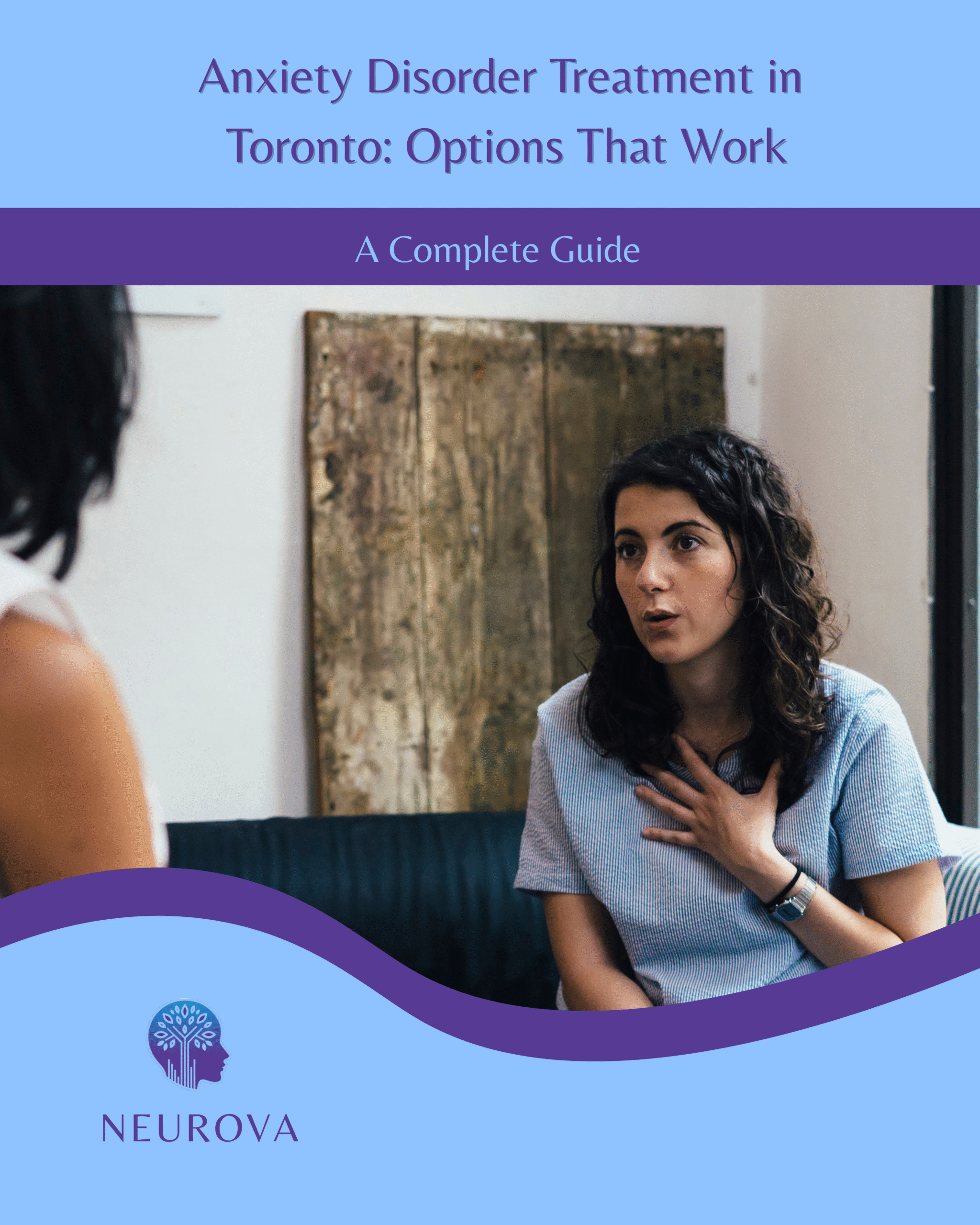
Anxiety disorders affect thousands of Torontonians each year, cutting across age, background, and lifestyle. While occasional stress is a normal part of life, an anxiety disorder is more intense, persistent, and can interfere with work, relationships, and daily functioning. In Toronto, the fast-paced urban environment, high cost of living, and competitive work culture can sometimes magnify these challenges. Recognizing anxiety symptoms early—such as constant worry, restlessness, difficulty concentrating, or physical tension—can help you seek treatment sooner and improve outcomes.
The good news is that Toronto offers a wide range of evidence-based treatments, from traditional talk therapy to innovative online counselling platforms. This means residents can choose from in-person downtown clinics, community health centres in neighbourhoods like Scarborough or Etobicoke, and virtual care options accessible from anywhere in the city, ensuring that no matter your location or schedule, support is within reach.
Types of Anxiety Disorders and How They Present
Anxiety disorders aren’t one-size-fits-all. Common types include Generalized Anxiety Disorder (GAD), characterized by persistent worry about everyday situations; Panic Disorder, which involves sudden and intense panic attacks; Social Anxiety Disorder, marked by intense fear of social situations; and Specific Phobias, which focus on particular objects or scenarios. Toronto clinicians are trained to differentiate between these types and tailor treatment accordingly. Understanding which category your symptoms fall into is the first step in creating a treatment plan that truly addresses your unique needs. Many clinics will conduct an initial assessment to clarify your diagnosis before recommending therapy, medication, or both. Some also use culturally sensitive approaches, which is especially valuable in Toronto’s diverse communities, ensuring that treatment reflects not only your symptoms but also your cultural background and life experiences.
Therapy Options Available in Toronto
Toronto is home to a diverse range of therapy options for anxiety. Cognitive Behavioural Therapy (CBT) remains one of the most effective approaches, helping clients identify and challenge unhelpful thinking patterns. Dialectical Behaviour Therapy (DBT), Acceptance and Commitment Therapy (ACT), and Exposure Therapy are also offered by many Toronto therapists, either in person or online. Private practices, community health centres, and hospital outpatient programs all offer structured treatment options. Depending on your needs, therapy may be short-term and skills-focused or longer-term for deeper emotional work. Some therapists also integrate mindfulness, art therapy, or body-based practices into their sessions, giving clients a broader toolkit for managing anxiety symptoms beyond traditional talk therapy methods.
Medication and Psychiatric Support
For some individuals, therapy alone may not fully alleviate symptoms, and medication can be an important part of treatment. In Toronto, family doctors, psychiatrists, and nurse practitioners can prescribe anti-anxiety medication such as SSRIs, SNRIs, or beta-blockers for specific situations. Psychiatric services can be accessed through hospital referrals, community mental health programs, or private psychiatric clinics. Combining medication with therapy often leads to the best outcomes, especially for moderate to severe anxiety. Many patients benefit from working with a collaborative care team—where their therapist and prescribing physician communicate regularly to ensure that both emotional and physical aspects of anxiety are being addressed effectively.
Online and Virtual Therapy Options
Virtual therapy has become an increasingly popular choice in Toronto, offering convenience and flexibility without sacrificing quality. Platforms such as online counselling websites, telehealth services, and video appointments with local therapists make it possible to access professional help from the comfort of your home. This is especially valuable for people with busy schedules, mobility challenges, or social anxiety that makes in-person visits difficult. Many Toronto therapists now offer hybrid models, allowing clients to switch between virtual and in-person sessions as needed. This flexibility has also opened the door for people living in surrounding areas like Mississauga, Markham, or Vaughan to work with Toronto-based specialists without the need for long commutes.
Group Therapy and Peer Support
Group therapy is another option that works well for many people with anxiety disorders. Toronto hosts both clinical group programs—often led by registered psychotherapists or social workers—and peer support groups facilitated by non-profits and mental health organizations. Groups provide a sense of community, help normalize experiences, and allow members to learn coping strategies from each other. Peer-led programs like those offered by the Mood Disorders Association of Ontario can be a great complement to individual therapy. Some groups in Toronto focus on specific demographics—such as students, new parents, or newcomers to Canada—making it easier to connect with others who truly understand your context.
Benefits of Seeking Local Toronto Treatment
Choosing a local provider in Toronto means your therapist or counsellor understands the city’s unique stressors—commutes, housing pressures, workplace culture, and the fast pace of urban living. Local clinicians are also better equipped to connect you with in-city resources such as support groups, workshops, and community-based mental health programs. Additionally, in-person sessions give you the option to develop a stronger therapeutic bond, which can be especially important when dealing with sensitive issues like anxiety. You may also gain access to city-specific mental health events, such as mental wellness fairs, free mindfulness classes at community centres, and local charity initiatives focused on mental health awareness.
How to Choose the Right Treatment Path
The best treatment path depends on the severity of your symptoms, your personal preferences, and your lifestyle. Some people benefit from starting with therapy, others from a combination of therapy and medication, and some from alternative supports like mindfulness training or lifestyle changes. Toronto offers the advantage of choice—whether you want to work with a specialist in a specific therapeutic method or prefer a generalist who can address multiple concerns. It can be helpful to book an initial consultation with more than one provider to see who feels like the best fit, as the therapeutic relationship is often just as important as the specific method being used.
Cost, Insurance, and Accessibility in Toronto
Costs for anxiety treatment in Toronto vary widely. Private therapy sessions can range from $120 to $200 per hour, while community health centres may offer free or low-cost options. Some services are covered through employee benefits, private insurance, or student health plans. OHIP generally does not cover psychotherapy provided by non-physicians, but psychiatrist visits are covered with a referral. Virtual services may also be more affordable and easier to schedule. Some providers offer sliding scale fees to make treatment more accessible, while certain community-based programs are free for those who meet eligibility requirements.
Combining Treatment with Lifestyle Changes
Therapy and medication are powerful tools, but lifestyle adjustments can also make a significant difference. Regular exercise, balanced nutrition, proper sleep, mindfulness practices, and reducing caffeine or alcohol intake can help manage anxiety symptoms. Toronto offers plenty of opportunities to incorporate these habits—yoga studios, nature trails like Don Valley, and mindfulness workshops at community centres can all become part of your healing toolkit. In addition, city-based wellness initiatives, such as outdoor fitness classes and community garden programs, can help foster both mental and physical well-being, providing a holistic approach to anxiety management.
FAQ – Anxiety Disorder Treatment in Toronto
1. How do I know if I have an anxiety disorder?
Persistent worry, restlessness, difficulty concentrating, and physical symptoms like a racing heart may indicate an anxiety disorder. A professional assessment can confirm the diagnosis.
2. Is anxiety therapy covered by OHIP in Toronto?
OHIP covers psychiatric services with a referral but does not generally cover psychotherapy from non-physicians.
3. What is the most effective therapy for anxiety?
CBT is often considered the gold standard, but other therapies like DBT, ACT, and Exposure Therapy can also be highly effective.
4. Can I access therapy online in Toronto?
Yes, many therapists and clinics offer secure virtual sessions.
5. How much does anxiety therapy cost in Toronto?
Private sessions typically range from $120 to $200 per hour, with some community options available at lower or no cost.
6. Can medication cure anxiety?
Medication can manage symptoms but is most effective when combined with therapy.
7. Are there free anxiety support groups in Toronto?
Yes, organizations like the Mood Disorders Association of Ontario offer free peer support.
8. How long does it take to feel better with treatment?
Improvement timelines vary but many people notice changes within a few weeks to months of consistent treatment.
9. Can lifestyle changes help with anxiety?
Absolutely. Exercise, mindfulness, and healthy routines can significantly support recovery.
10. Where can I find an anxiety specialist in Toronto?
Search the College of Registered Psychotherapists of Ontario directory or contact local mental health clinics.
Conclusion & Call to Action
Anxiety disorders are challenging, but they are also highly treatable. Whether you choose therapy, medication, or a combination of both, Toronto offers a wealth of options tailored to different needs and budgets. Seeking help early can prevent symptoms from worsening and give you the tools to live a more balanced life.
If you’re ready to take the first step toward managing your anxiety and want compassionate, effective care in Toronto, visit https://neurova.ca/therapy to explore your options and book a session today.