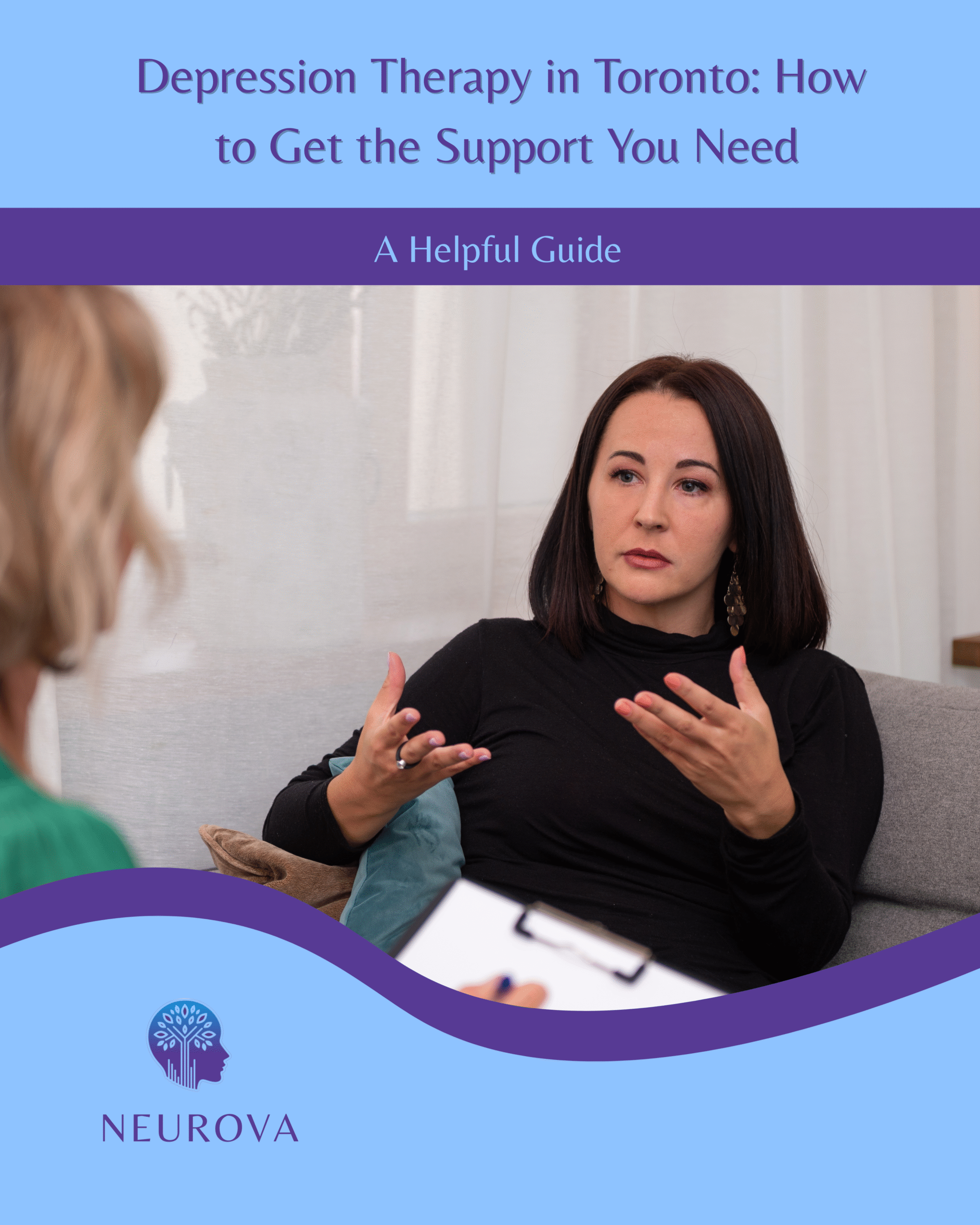
Depression is a complex mental health condition that can affect every aspect of life — from relationships and work to physical health and daily motivation. In Toronto, the fast-paced urban environment, combined with personal and professional pressures, can make it challenging for individuals to cope. While occasional feelings of sadness or stress are normal, depression is different in that it persists for weeks or months and interferes with normal functioning. It’s not a sign of weakness or something a person can “just get over”; rather, it’s a legitimate medical and psychological concern that often requires professional treatment.
Therapy is one of the most effective tools in managing depression, helping people not only cope with symptoms but also address the underlying causes. In Toronto, individuals have access to a wide range of therapy options, from private clinics to community mental health services. Understanding these resources and knowing how to access them can be the first step toward recovery. This guide will help you explore depression therapy options in Toronto, what to expect from treatment, and how to take practical steps toward finding the right support for your needs.
Types of Depression Therapy Available in Toronto
Toronto offers a variety of therapeutic approaches for individuals dealing with depression, each catering to different needs and preferences. Cognitive Behavioural Therapy (CBT) is among the most widely used methods, focusing on identifying and changing negative thought patterns. Psychodynamic therapy helps individuals explore the deeper emotional roots of their depression, often stemming from past experiences. Interpersonal Therapy (IPT) addresses relationship issues that may contribute to depressive symptoms, while Acceptance and Commitment Therapy (ACT) encourages people to live in line with their values despite difficult emotions.
In addition to these well-established methods, some Toronto clinics also provide mindfulness-based therapy, group therapy, and even creative therapies such as art or music therapy. For those looking for more structured programs, intensive outpatient programs and day treatment centres can offer a combination of individual, group, and educational sessions. The diversity of options means you can choose an approach that aligns with your personal comfort level, availability, and goals. Selecting the right type of therapy is often a process of trial and exploration, but understanding what’s available locally can help you make an informed decision about your treatment path.
Choosing Between In-Person and Online Therapy
One of the first decisions you’ll face when seeking depression therapy in Toronto is whether to choose in-person or online sessions. In-person therapy offers face-to-face interaction, which many people find more personal and engaging. It also provides a change of environment, which can be beneficial if you’re struggling to find motivation at home. On the other hand, online therapy — conducted via secure video calls — offers unparalleled convenience, removing the need to commute and making it easier to fit sessions into a busy schedule.
Online therapy can also expand your access to therapists outside your immediate neighbourhood, giving you more options to find the right fit. For some, a combination of both methods works best, allowing the flexibility to switch between in-person and online depending on circumstances. Cost and availability may also influence your choice; online therapy can sometimes be more affordable, and you may be able to book sessions more quickly. Ultimately, the “best” option is the one that fits your lifestyle, helps you stay consistent with sessions, and makes you feel comfortable opening up about your experiences.
The Role of Medication in Treating Depression
While therapy alone can be effective for many people, others may benefit from a combination of therapy and medication. In Toronto, family doctors and psychiatrists are able to prescribe antidepressants when appropriate. Common types include selective serotonin reuptake inhibitors (SSRIs), serotonin-norepinephrine reuptake inhibitors (SNRIs), and atypical antidepressants. The decision to use medication should always be made in consultation with a qualified healthcare provider, who will consider your medical history, current symptoms, and potential side effects.
Medication is not a “quick fix” but can help stabilize mood and reduce symptoms enough to make therapy more effective. Regular check-ins with your prescribing doctor are essential to monitor progress and adjust dosages as needed. Some people may use medication for a limited period, while others may need longer-term support. It’s important to remember that taking medication is not a sign of weakness — it’s a legitimate medical treatment that can be part of a holistic plan to address depression. When combined with therapy, lifestyle changes, and social support, medication can be a powerful tool in recovery.
How to Find a Therapist for Depression in Toronto
Finding the right therapist is a crucial step in the healing process. In Toronto, you can start by searching professional directories such as Psychology Today, the Ontario College of Social Workers and Social Service Workers, or the College of Psychologists of Ontario. Many clinics also have websites listing their practitioners, along with their specializations and approaches. Reading therapist bios can help you determine whether their expertise aligns with your needs.
Word-of-mouth recommendations from friends, family, or colleagues can also be valuable. If you have a family doctor, they can provide referrals to trusted mental health professionals.
Consider factors such as location, fees, and whether the therapist offers a free initial consultation. This first session is an opportunity to gauge your comfort level and assess whether their style feels supportive. Since therapy is a deeply personal process, finding someone you connect with is just as important as their qualifications. Don’t hesitate to try more than one therapist before settling on the right fit.
Costs and Insurance Coverage
The cost of depression therapy in Toronto can vary widely depending on the provider’s qualifications, session length, and whether you’re accessing private or community-based services. Private therapy with a registered psychotherapist, psychologist, or social worker typically ranges from $120 to $250 per session. These services are generally not covered by OHIP, but many people can offset the cost through extended health insurance plans provided by their employer or purchased individually.
Some community health centres and non-profit organizations offer low-cost or sliding-scale therapy based on income, making treatment more accessible. Universities and colleges often provide free or reduced-cost counselling to students. If cost is a barrier, it’s worth asking therapists directly if they offer a sliding scale or payment plans. Investing in mental health care is important, but it should be financially sustainable for you over the long term. Exploring all available coverage options can make therapy more affordable and ensure you can commit to the process without undue financial stress.
Student Access to Depression Therapy
Students in Toronto have unique access to mental health support that can make depression therapy more affordable and accessible. Many post-secondary institutions offer free or low-cost counselling through student wellness centres, staffed by trained professionals who understand the pressures of academic life. These services can be a good starting point for short-term support or crisis intervention.
Additionally, most student health plans include coverage for private therapy with psychologists, psychotherapists, or social workers, which means you can seek help outside of campus services if you prefer. High school students may also have access to mental health professionals through their school boards or local community programs. At our clinic, we ensure eligible students receive cost-effective therapy options, helping to remove financial barriers to care. Whether you’re dealing with academic stress, social pressures, or personal challenges, knowing your coverage and available resources can help you access the right support without delay.
FAQ – Depression Therapy in Toronto
1. How long does depression therapy usually last?
The length of therapy depends on the severity of symptoms, the type of therapy used, and your personal goals. Some people attend weekly sessions for a few months and see significant progress, while others may continue for a year or longer to address deeper issues or maintain ongoing support. Your therapist will work with you to create a timeline that makes sense for your needs.
2. Is depression therapy covered by OHIP?
OHIP generally does not cover private therapy sessions with psychologists, psychotherapists, or social workers. However, it does cover mental health services provided by psychiatrists or through hospital-based programs. Many people use extended health benefits from work or school to offset private therapy costs, so it’s worth checking your coverage before starting.
3. Can I do depression therapy online in Toronto?
Yes. Many therapists in Toronto offer secure online video sessions, which can be just as effective as in-person therapy for most individuals. Online therapy is often more flexible and accessible, especially if you have mobility challenges, a busy schedule, or live outside the downtown core.
4. Do I need a referral to see a therapist?
For most private therapy in Toronto, you do not need a referral. You can contact therapists directly to book a session. That said, some insurance plans require a doctor’s referral before they will reimburse you for mental health services, so it’s best to confirm your plan’s requirements.
5. Can therapy work without medication?
Yes. Many people manage depression effectively through therapy alone, especially when using approaches like Cognitive Behavioural Therapy (CBT) or Interpersonal Therapy (IPT). However, in moderate to severe cases, combining therapy with medication may offer faster or more sustained improvement. This is a decision best made with input from both a therapist and a medical doctor.
6. How do I know if a therapist is qualified?
In Ontario, qualified therapists are registered with professional regulatory bodies such as the College of Psychologists of Ontario, the Ontario College of Social Workers and Social Service Workers, or the College of Registered Psychotherapists of Ontario. You can verify a therapist’s credentials through these organizations’ online public registers.
7. Are there free therapy options in Toronto?
Yes. Some community health centres, non-profits, and mental health organizations offer free or sliding-scale counselling based on income. Students can often access free sessions through their school’s wellness centre. Additionally, certain hospitals and mental health programs provide therapy at no cost to eligible residents.
8. What should I expect in my first session?
Your first session is usually an introductory meeting where you share your mental health history, current challenges, and therapy goals. The therapist will explain their approach, answer your questions, and help set expectations for the process. This session is also a chance to see if you feel comfortable with their style.
9. How do I choose between CBT, IPT, or other methods?
Different therapy methods work for different people. CBT focuses on changing unhelpful thought patterns, IPT addresses relationship-related issues, and other modalities target emotional processing or behavioural change. Your therapist can recommend an approach based on your symptoms, personality, and preferences, and you can switch if you feel another style may work better.
10. Can therapy completely cure depression?
There is no single guaranteed “cure” for depression, but therapy can greatly reduce symptoms, improve daily functioning, and help prevent relapses. Many people find that therapy gives them lifelong skills for managing stress and emotions, even after their depression has significantly improved.
Conclusion
Depression can feel isolating, but you don’t have to face it alone. Toronto offers a wealth of resources and skilled professionals ready to help you navigate your mental health journey. Whether you choose CBT, interpersonal therapy, or another approach, the most important step is reaching out for support and committing to the process.
If you’re ready to take that step, our team at Neurova can help you find the right therapy for your needs. Visit https://neurova.ca/therapy to learn more, book your first session, and start building the tools you need for a healthier, more balanced life.