Ever feel like something’s just… off? Not the usual stress, not a bad day — but this constant, heavy fog that follows you everywhere? Like you’re moving in slow motion while everyone else has it figured out? You’re not alone — and you’re not broken. This could be depression, and it’s more common than you think — especially among students. If you’re at York University or anywhere in the GTA, free therapy for students Toronto is available — and you deserve to know what depression really is and how to start healing.
Depression Isn’t Just Sadness — It’s a Whole-Body, Whole-Life Experience
People throw around the word depressed casually — “Ugh, I’m so depressed about this test.” But what you may be going through is something far deeper than just temporary sadness.
Clinical depression (also called major depressive disorder) can show up in sneaky, painful ways:
Low energy or motivation that doesn’t go away
Trouble sleeping or sleeping too much
Loss of interest in things you used to love
Changes in appetite
Feeling like a burden or like you’re “too much”
Hopelessness about your future
Feeling like you’re just going through the motions
And worst of all? You might feel like you’re the only one going through it, especially in a place like York where everyone seems to be busy, productive, and on top of things.
Why Depression Hits Hard in University — Especially at York
University is supposed to be this exciting time of growth and opportunity — but for many students, it becomes a pressure cooker. You’re juggling:
Academic deadlines
Part-time jobs or financial stress
Navigating family expectations
Social pressure or isolation
Identity questions, especially if you’re racialized, queer, neurodivergent, or from a first-gen background
It’s not just the workload. It’s the feeling of “Why can’t I keep up like everyone else?”
York students often joke about how massive and confusing campus is — but for someone dealing with depression, it’s not funny. It’s overwhelming. Getting to class feels like a marathon. Finding your way through the York counselling system can feel like a second major. Some of us have waited months. Some gave up.
So if you’re saying to yourself:
“Something’s wrong with me. I feel stuck.”
“I’m tired of being sad, and I don’t know how to get out of it.”
“This isn’t me, but I can’t shake it.”
Know this: you’re not weak. You’re not lazy. You’re not alone. You’re dealing with depression — and it’s okay to ask for help.
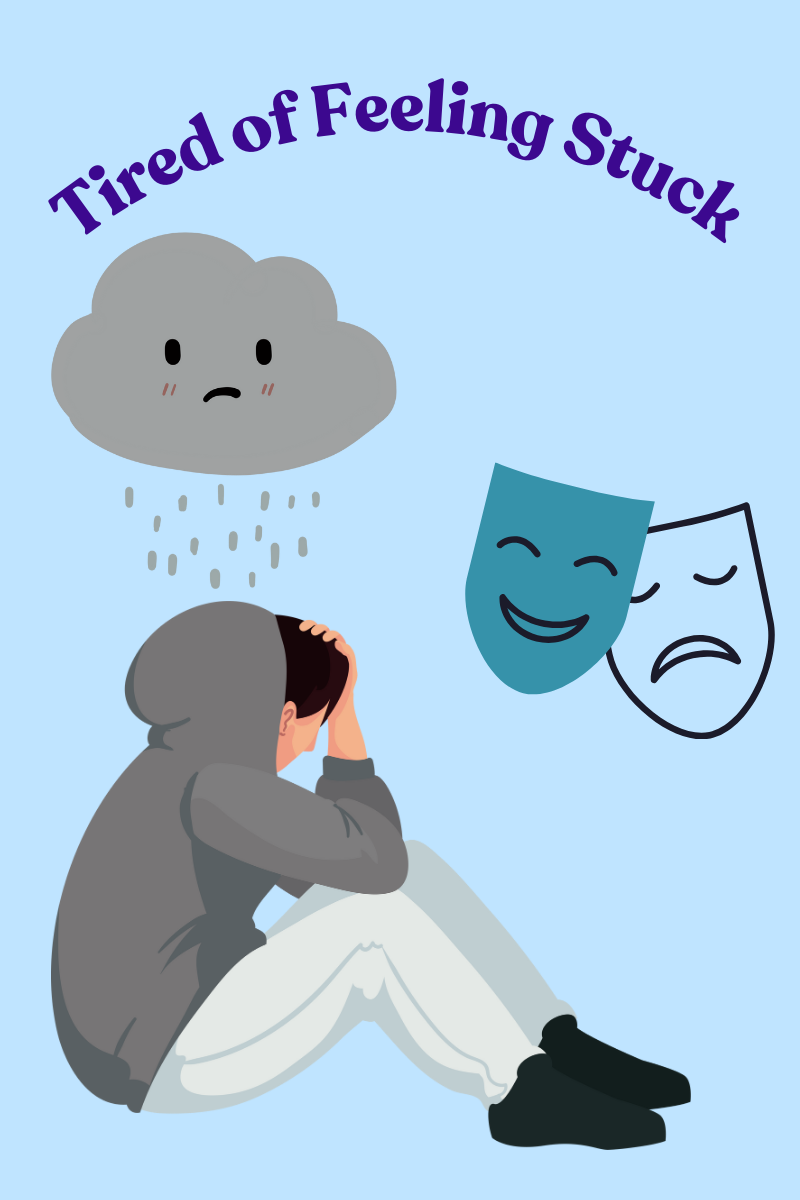
“But I Don’t Even Have the Energy to Ask for Help”
That’s depression talking. And it makes total sense. Depression messes with your executive functioning, your motivation, your ability to even start things — including getting help.
Therapy shouldn’t feel like another chore. That’s why some services are designed specifically for people like you — students who:
Can’t afford therapy
Can’t wait months
Don’t want to explain their cultural or campus context
Just want someone to help them feel like themselves again
What Actually Helps Depression (Besides “Just Being Positive”)
You’ve probably been told to:
“Just go for a walk.”
“Think more positively.”
“Push through.”
These are dismissive responses from people who don’t get it.
Here’s what the research (and lived experience) tells us can actually help:
Exercise. Getting your body moving, and keeping your mind occupied while exerting yourself make a big difference physiologically.
Cognitive Behavioral Therapy (CBT) to break negative thought cycles
Emotionally Focused Therapy (EFT) to explore deep emotional blocks
Routine and structure, even if tiny at first
Medication, for some people, as one part of treatment
Connection, especially when isolation is making things worse
You don’t have to use all of these. But even one small shift — one conversation — can begin to turn things around.
“What If I’m Just Meant to Be Like This Forever?”
It’s so easy to believe that your depression is your identity. Especially when it’s been there for a while.
But depression isn’t who you are. It’s a state — one that can change. It takes time, support, and often help from people who know what they’re doing. That’s why therapy matters.
A good therapist doesn’t just “listen.” They help you:
Understand your patterns
Validate your pain without judgment
Build skills to change how you relate to your thoughts
Create a roadmap that works for you
At York, where many students are the first in their family to go to university, it can be hard to admit you’re not okay. You might think you have to be strong, that others have it worse. But you matter too. And you don’t have to earn your way to healing.
FAQ — Let’s Keep It Real
“I don’t have the energy to change.”
Totally understandable. Depression kills energy. But therapy gives you the tools and clarity to make change feel possible again.
“I’ve always felt like this. Isn’t it just my personality?”
No. Long-term depression can feel like it’s just “who you are,” but it’s not permanent. There’s a you underneath it that deserves a chance to live fully.
“I’m not in crisis. I don’t want to waste anyone’s time.”
You don’t have to be at rock bottom to deserve support. If your brain feels like it’s holding you hostage, that’s reason enough.
“Everyone at York is just stressed — why should I complain?”
Everyone struggles differently. Your pain is valid even if others are struggling too.
You Don’t Have to Do This Alone — And You Don’t Have to Wait
If you’ve tried York University therapy services or York counselling and found yourself stuck on a waitlist or overwhelmed, we get it.
Neurova offers free, no-waitlist therapy for university students across Toronto — including York. Our therapists specialize in depression, and many have been through it themselves. We know what it’s like to feel like a shell of yourself. And we know how to help you find your way back.
Don’t let your depression stop you from living the life you deserve. Visit us at Neurova to start talking to someone who actually gets it.