Breakups suck. But breakups during university? That’s a whole other level. Between school assignments and tests, part-time jobs, messy sleep schedules, and an already fragile sense of self, losing someone you loved (or even liked a lot) can hit you like a truck.
If you’re looking for long term university student therapy Toronto, there’s a reason you’re here. And it’s probably because:
You’re down in the dumps after a breakup
You feel like you’re for sure depressed
You can’t get out of bed, don’t know what to do, and have zero motivation
Let’s get brutally honest. If you’re a UofT student, mental health support probably feels far away, confusing, or buried under layers of forms and waitlists. But what you’re going through is serious—and it deserves serious support.
Why University Breakups Hit So Damn Hard
Most people underestimate how much of your identity you tie to someone you’re dating during university. You planned futures, studied together, maybe even talked about moving in or meeting parents. You weren’t just dating—they were your anchor.
And when it ends?
You might feel lost, like your whole world collapsed
You might feel stupid, for trusting or giving so much
You might feel numb or ashamed, like there’s no one to talk to about this without sounding “too emotional”
At a place like St. George campus, it’s easy to fake a smile, walk through the crowd, and suffer in silence. No one sees you crying in Robarts washrooms or skipping class because getting out of bed is a mission.

Let’s Break the Cycle of Feeling Like Crap
This isn’t just “heartbreak”—this is your brain responding to loss. In fact, studies show romantic rejection activates the same brain pathways as physical pain. And if you don’t process it, it can easily spiral into full-blown depression or anxiety.
Instead of sitting in the dark hoping things magically get better, here’s what actually helps:
1. Name what you’re going through
Say it out loud or write it down: “I’m heartbroken.” Don’t minimize it by saying, “It wasn’t even that serious.” If you’re hurting, it matters.
2. Create tiny goals
Motivation won’t show up. You have to act your way into it. Try:
Brush teeth + drink water = win.
Go outside for 5 mins = win.
Submit something, even if it’s not perfect = win.
3. Journal without judgment
Brain dump your thoughts without trying to fix anything. You’ll start noticing patterns and triggers that therapy can help with.
4. Block, unfollow, mute
This isn’t about being petty—it’s about protecting your nervous system. Constant reminders can re-open wounds that are still trying to close.
5. Talk to someone trained to help you climb out
You don’t need to process this alone. Especially when what you’re feeling is more than just sadness—it’s stuckness, burnout, and hopelessness rolled into one.
UofT Therapy Services vs. Real Accessibility
Let’s talk real. UofT therapy services exist—but here’s what they don’t always tell you:
You might wait weeks for an appointment.
You might only get a few short-term sessions.
The process might feel cold, bureaucratic, or impersonal.
If you’ve ever emailed UofT Health & Wellness and felt discouraged after getting that “we’re currently experiencing high demand” auto-reply… you’re not alone.
And that’s where things often spiral.
What Long-Term Therapy Can Do (That Your Friends Can’t)
Venting to friends is great. But healing requires skills, not just sympathy.
With long-term therapy, especially through free Toronto therapy options like Neurova, you get:
Emotional tools to move through grief, not avoid it
Strategies to manage mood swings and rebuild confidence
Space to explore how your attachment style or past trauma played into the relationship
Help reconnecting with yourself, your goals, and your mental health
Most importantly: you get consistent support. Not “3 sessions and good luck.”
Feel Stuck? Let’s Reframe It.
Being stuck isn’t weakness. It’s your brain’s way of saying: we don’t have the tools yet to move forward.
Let’s switch the script:
| Thought | Healthier Reframe |
|---|---|
| “I’ll never feel better.” | “Healing is non-linear. I can take one step today.” |
| “I wasted my time with them.” | “Every relationship teaches me something—even about what I need.” |
| “I’m broken.” | “I’m hurting. That’s not the same as broken.” |
Therapists can help you practice and internalize these reframes until they click.
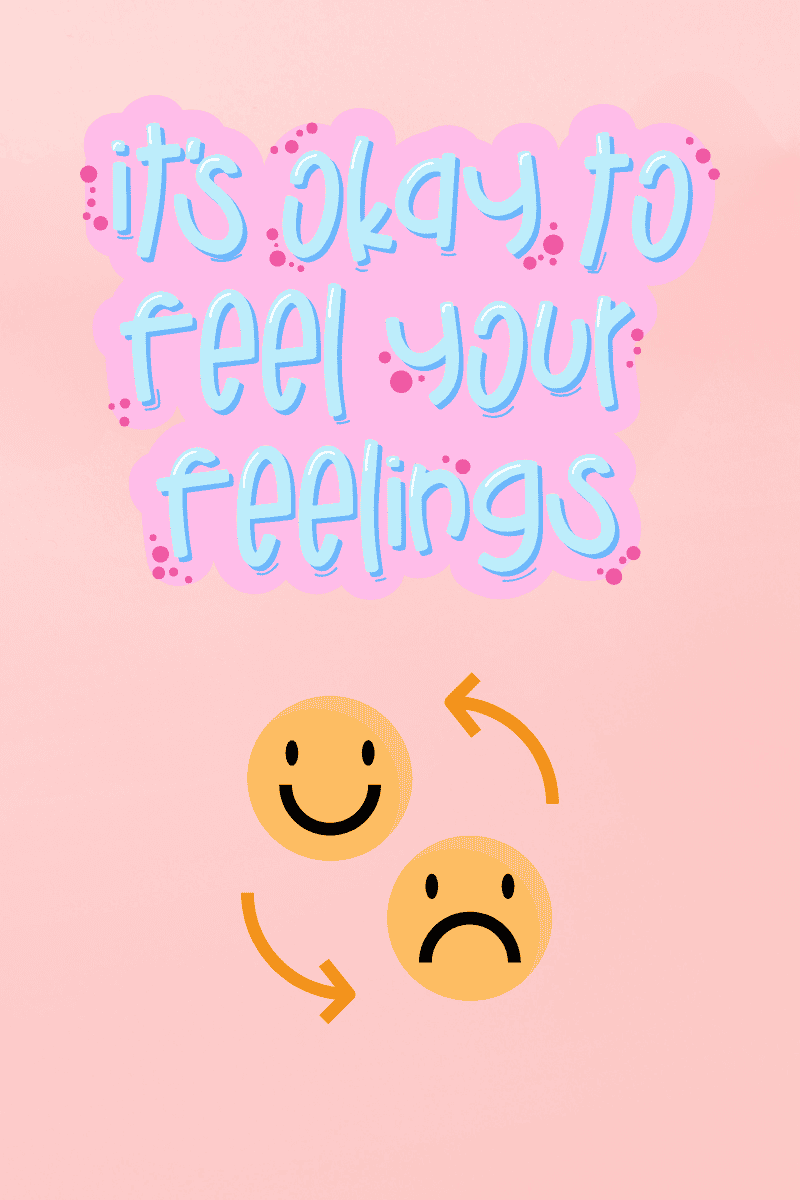
FAQs: You’re Not the Only One Thinking These
“I’m so sad after my relationship ended. What do I do?”
Start small. Drink water, step outside, and talk to someone. Your sadness is real—and there are ways to process it that don’t involve suffering in silence.
“I’ll never find someone again.”
You don’t need to date again right now. But with support, you will learn to love again—with better boundaries, self-awareness, and emotional safety.
“I feel numb.”
That’s trauma’s way of protecting you. The goal isn’t to force yourself to feel, but to gently re-engage with life. Therapy can guide that process.
Neurova: For When You’re Done Pretending You’re Fine
If you’re searching for long term university student therapy in Toronto, and you’re a UofT student—or at any Ontario university—Neurova is here. We offer:
Free therapy through your student insurance (yes, really)
No waitlists
Long-term weekly therapy, not rushed, short-term fixes
Therapists trained in breakup recovery, depression, and student burnout
Support that meets you where you’re at—online or near St. George campus
This isn’t just about “getting over it.” It’s about getting your life back.
👉 If you’re ready to stop pretending everything’s fine and actually feel better, get in touch with us.