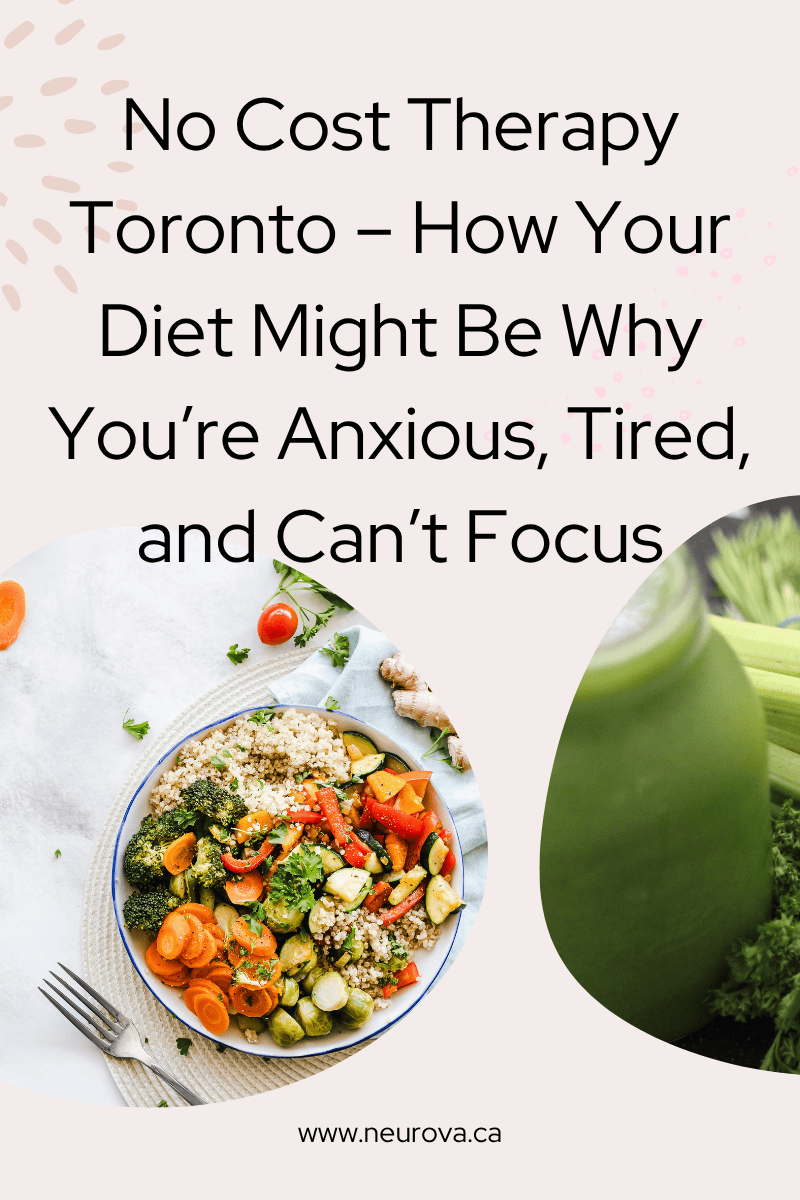
Feeling like no matter how much you sleep, you still wake up groggy, drained, or lowkey anxious? Struggling with school at UTM while juggling deadlines, friends, and maybe even work—it’s a lot. What most people don’t realize is that your food might be playing a bigger role than you think. If you’ve ever Googled “why do I feel bloated and tired after I eat”, this is for you. And if you’re looking for no cost therapy in Toronto, especially near the Mississauga campus, you’re in the right place.
You’re Not Lazy. You Might Just Be Malnourished (Even If You’re Eating 3 Times a Day)
Let’s be honest—what did you eat today?
Chances are, it was something fast, cheap, and convenient. Maybe iced coffee and a bagel. Maybe McDonald’s after class. Maybe nothing at all till 3 p.m. And still, you wonder: Why am I so moody, low energy, or just not feeling like myself?
Here’s the truth most students don’t hear: over 90% of your serotonin—the brain chemical that helps you feel calm, happy, and emotionally stable—is made in your gut. So when your gut is inflamed or imbalanced, your mental health suffers too.
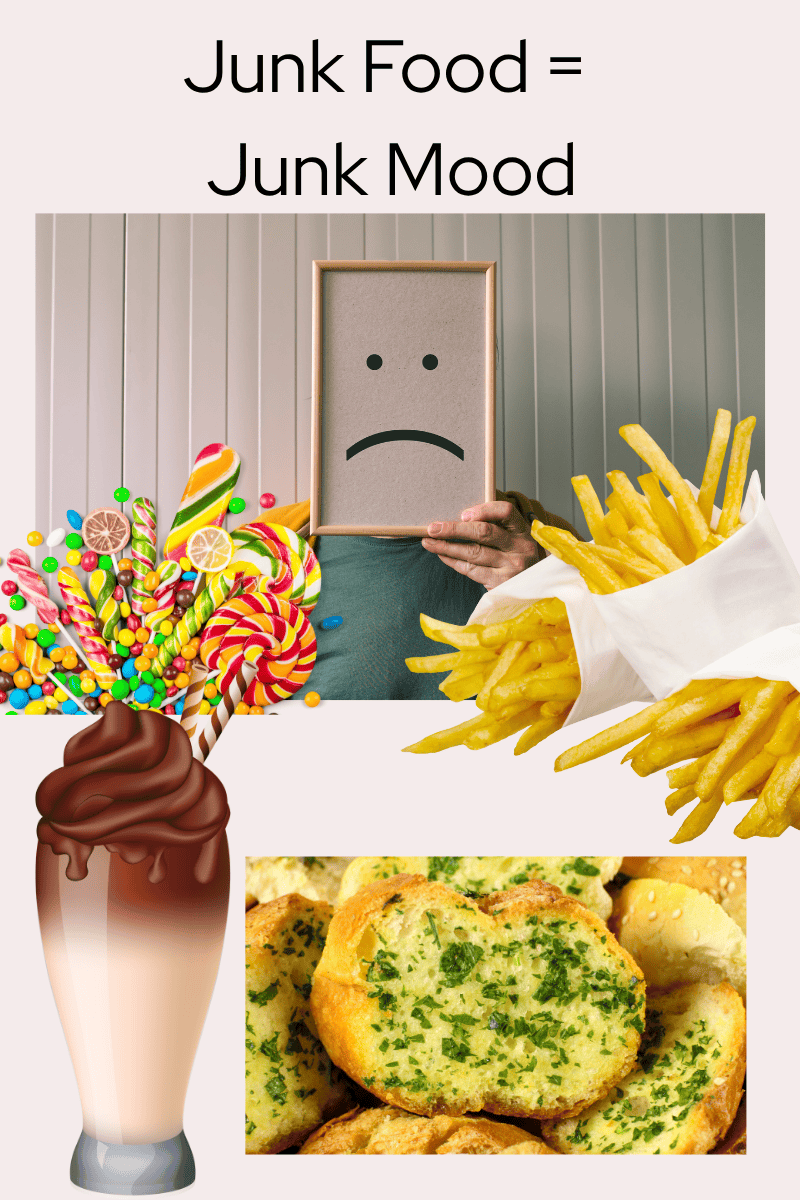
Junk Food = Junk Mood
We’re not trying to come for your bubble tea addiction (okay, maybe just a little). But the science is real: what you eat directly impacts how you feel. Sugary drinks, processed snacks, and those late-night Uber Eats binges might feel good in the moment, but they can lead to:
Brain fog and poor concentration
Low mood, irritability, or depression
Anxiety and overthinking
Fatigue even after a full night’s sleep
Stomach issues like bloating, gas, and irregular digestion
If your mental health feels unpredictable and your energy crashes constantly, you might not need another coffee—you might need a gut reset.
Clean Diet, Clear Mind
Eating clean doesn’t mean going vegan overnight or spending $500 at Whole Foods. It means feeding your body what it actually needs to support brain function and emotional regulation. A simple switch—like having eggs and avocado toast instead of a muffin, or drinking water instead of Red Bull—can change how you feel in just a few days.
The more stable your blood sugar, the more stable your mood. The more fiber and fermented foods you eat, the more good bacteria support your gut—and in turn, your brain.
Clean diet = cleaner mindset. It’s that real.
The Real Cost of Eating Like a Broke Student
Let’s keep it real: UTM isn’t exactly famous for affordable healthy food. So you grab what’s cheap and easy—maybe a muffin and iced coffee in the morning, Tim’s or McD’s for lunch, something microwaveable after class. But your brain can’t run on convenience food.
Here’s what this typical student diet is doing to you:
Sugary drinks + refined carbs spike blood sugar → lead to energy crashes and brain fog
Ultra-processed snacks inflame the gut → make anxiety and depression worse
Low-fiber meals starve your good gut bacteria → reduce serotonin production
Skipping meals screws with cortisol → worsens stress and mood swings
You’re not just tired—you’re undernourished, inflamed, and your nervous system is trying to tell you something.
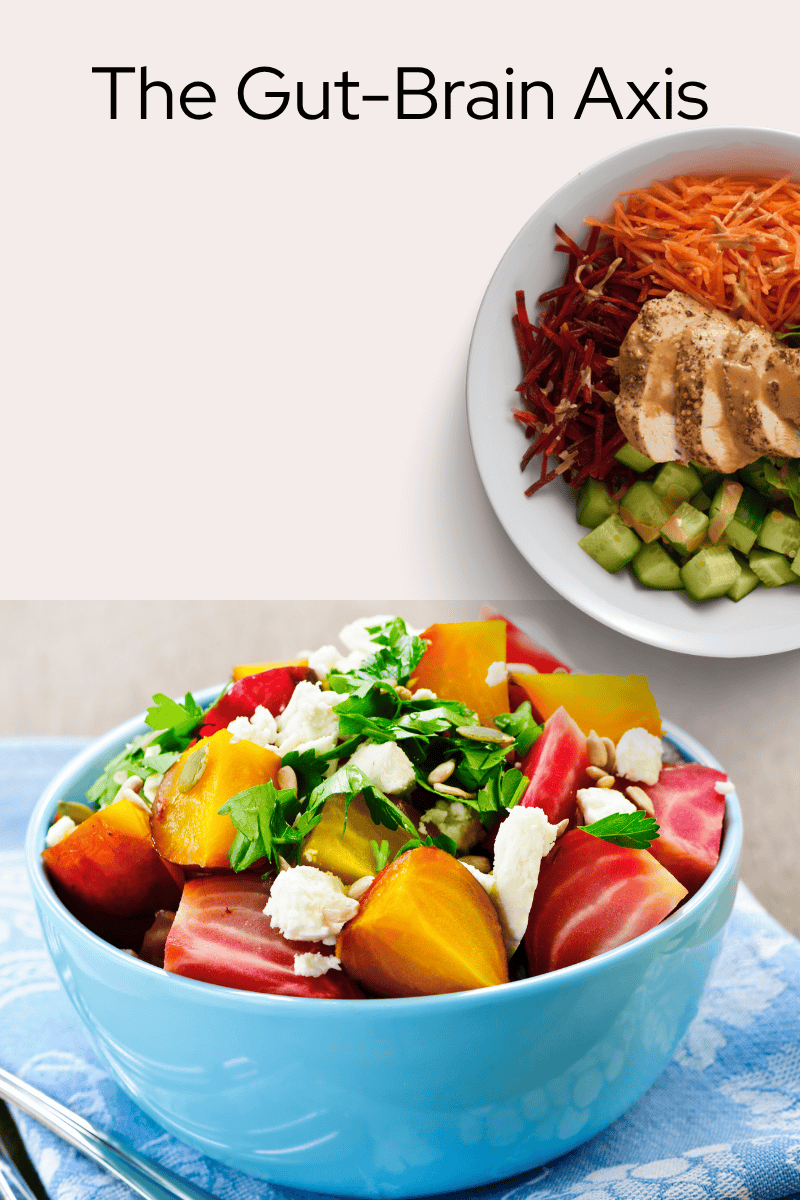
The Gut-Brain Axis: What Every Student Should Know
Here’s the deal: your gut and brain are in constant conversation through a system called the gut-brain axis. This isn’t just a wellness buzzword—it’s backed by hard science.
95% of your serotonin (your “feel good” brain chemical) is made in your gut.
Your gut lining produces neurotransmitters that affect how you think, feel, and cope.
An unhealthy gut (think: inflammation, imbalanced bacteria, poor digestion) = a dysregulated mind.
So if you’re constantly anxious, groggy, low-mood, or feel like your emotions are unpredictable—your gut might be the root.
Mood-Boosting Nutrients You’re Probably Low In
Here are student-safe essentials that actually support mental health:
Magnesium – found in spinach, pumpkin seeds, black beans. Helps with anxiety and sleep.
Omega-3s – found in salmon, walnuts, flaxseed. Crucial for brain function and mood.
B Vitamins – found in eggs, oats, leafy greens. Supports energy, focus, and memory.
Probiotics – found in yogurt, kimchi, kefir. Helps repopulate your gut microbiome.
These aren’t trendy supplements—they’re foundational to how your mind and body work.
Emotional Eating Is Still Mental Health
Let’s not forget: it’s not just what you eat—it’s why. If you’re bingeing late at night, skipping meals, or eating to numb feelings, that’s not just a food issue—it’s a coping strategy.
Students at UTM deal with:
Culture shock or loneliness (especially for international students)
Shame around body image or food choices
Academic stress and burnout
Unprocessed trauma or mental health struggles
Food becomes the drug, the comfort, the punishment, the escape. And it creates a vicious cycle: eat poorly → feel bad → eat to feel better → feel worse.
Understanding your relationship with food is key—not just changing the food itself.
FAQ: The Gut & Mood Connection, Explained
“Why do I feel bloated, tired, and moody after I eat?”
Bloating often comes from foods that are hard to digest (refined carbs, dairy, processed oils). Your gut might be inflamed or missing the good bacteria that break food down properly. This gut distress sends stress signals to your brain.
“What does my diet have to do with my mental health?”
Everything. Food affects inflammation, hormones, neurotransmitters, and your microbiome—all of which influence mood, anxiety, energy, and focus.
“What’s the connection between the gut and brain?”
They communicate constantly via the vagus nerve. The gut makes serotonin and sends signals that can either calm or stress out the brain. Heal the gut → improve mental clarity and emotional regulation.
If You’re a UTM Student Struggling—There Is Help
If you’re looking for no cost therapy in Toronto—especially around Mississauga campus—you’re not alone. At Neurova, we offer free therapy sessions, covered by your student insurance, with no waitlist. Our therapists understand how diet, stress, habits, and mental health all connect—and we’re here to help you get back in balance, at your own pace.