Are you always busy, wired, anxious—and still exhausted?
Running from class to class at TMU, juggling assignments, work shifts, a half-dead social life, and maybe even a situationship you should’ve ended two months ago…
Your body isn’t built to survive like this.
In the heart of downtown Toronto, students are burning out fast. Being stuck in fight-or-flight mode feels normal—until it isn’t.
If you’re looking for TMU therapy services, or want free Toronto therapy, here’s what your body is probably trying to tell you.
You’re Not Just Tired—You’re Stuck in Survival Mode
When your body is constantly stressed, it’s not just mental.
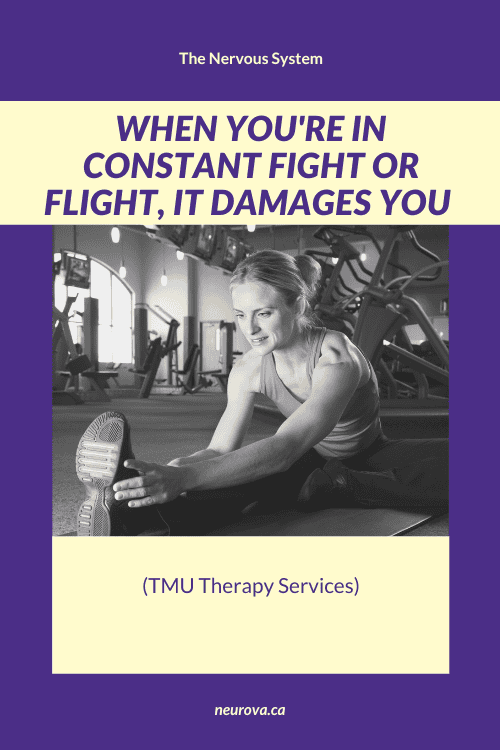
The fight-or-flight state is meant for short bursts—like slamming the brakes to avoid getting hit by a streetcar. But if you’re always in this state, your body begins to break down.
Your heart rate stays high.
Your digestion slows or stops.
You get sick more easily.
You can’t sleep or wake up more tired.
You snap over small things.
You can’t focus.
And here’s the kicker: Even when you lie down, scroll TikTok, or cancel plans, you’re not actually resting.
Rest Isn’t Just “Doing Nothing”
Rest isn’t binge-watching until 2 AM or pretending you’re fine while doomscrolling.
Real rest activates your parasympathetic nervous system—your body’s natural recovery system. It’s known as “rest and digest” mode.
This is when:
Your heart slows down.
Your muscles relax.
Your digestion and hormones stabilize.
Your body starts repairing itself.
Your mind finally exhales.
But most students don’t know how to reach this state. Because if your brain never feels safe, it never turns the alarm off.
The Truth: Stress Is Addictive
Here’s a harsh truth: stress can feel productive.
You start to believe being constantly “on” is the only way to get ahead.
But living in chaos doesn’t mean you’re living a full life.
And trust—TMU isn’t handing out medals for burnout.
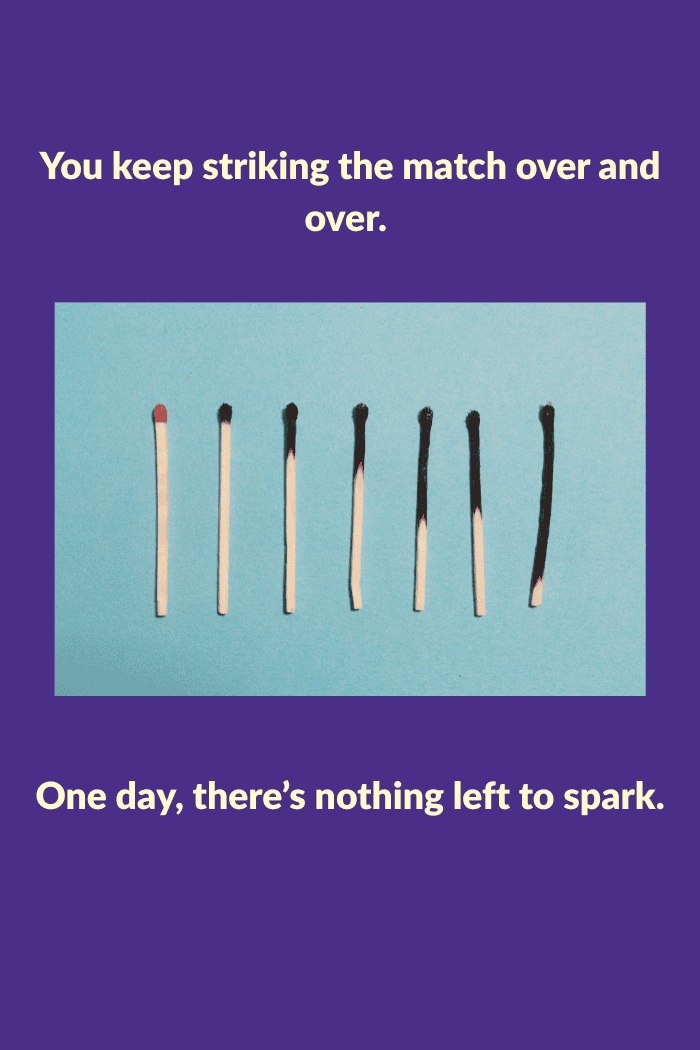
Signs You’re in Constant Fight-or-Flight (and Don’t Even Know It)
You clench your jaw or grind your teeth (especially at night)
Your shoulders are always tight or raised without noticing
Your stomach often feels tense, queasy, or bloated
You breathe shallowly, mostly in your chest, not your belly
You get random chest tightness or feel like you can’t take a deep breath
You wake up with a racing heart even when there’s no reason
Your hands and feet are cold, sweaty, or tingly
You find yourself jumping at small noises or feeling on edge for no clear reason
These aren’t random. They’re your body stuck in emergency mode.
Why You Need to Care Now
The longer you stay in high-stress mode, the more damage it does:
Chronic stress weakens your immune system
It raises inflammation—linked to heart disease, IBS, anxiety
It shrinks parts of your brain linked to memory and regulation
It makes emotional regulation harder over time
And no, you don’t have to wait until you have a breakdown to start healing.
Start before your body forces you to.
Toxic Environments Keep You Stuck
Some of you are in toxic relationships, draining programs, or even households that never feel safe.
Therapy can’t fix those systems—but it can help you learn to get out, say no, and build safety inside your own body again.
Therapy Can Teach You How to Rest For Real
You don’t just need time off. You need tools.
Things that retrain your nervous system to stop reacting like every assignment is a threat to your life.
Therapy helps with that.
It gives you practices that calm your body
It teaches you how to be with your emotions without drowning in them
It gives you space to slow down and see what’s really driving your stress
It helps you set boundaries and stop self-sabotaging
You don’t need to fix everything at once. You just need to learn what true rest even feels like.
FAQ
How do I know if my body is stressed?
Watch for these physical signs:
Tension headaches or pressure behind your eyes
Stiff neck, tight shoulders, or sore upper back
Jaw pain from clenching or grinding
Butterflies or knots in your stomach, gas, or changes in digestion (constipation/diarrhea)
Heart racing while doing normal things like walking or sitting
Shallow breathing—your breath stays in your chest, not deep into your belly
Twitching eyelids, muscle spasms, or random body shakes
Trouble sleeping, or waking up in the middle of the night sweating or wired
Your body always keeps score. If you ignore the signals, it’ll shout louder over time.
How do I activate the parasympathetic system easily?
Here are a few simple ways:
Deep belly breathing (inhale 4, hold 4, exhale 6)
Body scans or progressive muscle relaxation
Cold water splash or face dip (stimulates vagus nerve)
Going for a walk without your phone
Gentle movement (yoga, stretching, slow dance)
Spending 10 minutes outside in silence
The key is to feel safe and slow down. Not scroll. Not suppress. Just pause.
Why is this important?
Because chronic stress isn’t just a mental health issue—it’s a full-body one.
If you don’t learn how to turn off the alarm in your nervous system, it wears you down, fast.
University is the perfect time to learn these tools. Not when you’re 45 with health issues and regrets.
You Don’t Have to Keep Running
If you’re a TMU student looking for long-term, free therapy in Toronto—no waitlist, no cost—we got you.
At Neurova, we help students like you finally feel safe enough to slow down.
Our therapists specialize in calming the nervous system and helping you build new habits so your body stops thinking life is a threat.
You can stop running. Start healing.