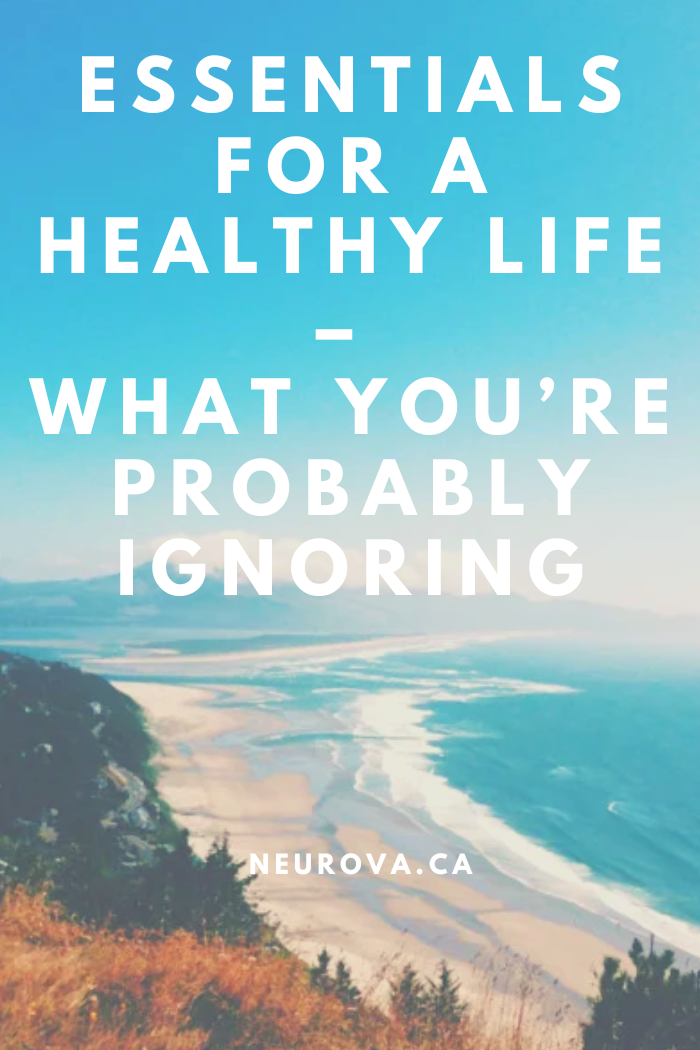
Are you exhausted all the time, can’t focus in class, or always low-key anxious even though you “don’t know why”? You’re not broken. But you might be missing the essentials to a healthy life—and most of us are.
You’re probably not taught this stuff in school, but things like daily sunlight, walking in nature, nourishing relationships, a sense of purpose, eating real food, and having a calm, kind inner voice aren’t optional. They’re required. For your brain. For your body. For your life to actually feel good.
If you go to York and have classes in the windowless basements of Ross, then you know: sunlight alone can be a game changer. And we’ll get into why that’s just one of several non-negotiables.
Let’s break it all down.
What Happens When You Ignore the Basics?
You feel tired even after sleeping.
You crave junk food 24/7.
Your social battery dies after 1 hour of being around people.
You feel “off” but can’t explain it.
You keep asking yourself, “Why do I feel like this?”
Most people try to fix this by drinking more coffee or staying up to “reset” their mind with Netflix. But those are band-aids. You can’t skip the basics of wellness and expect to thrive.
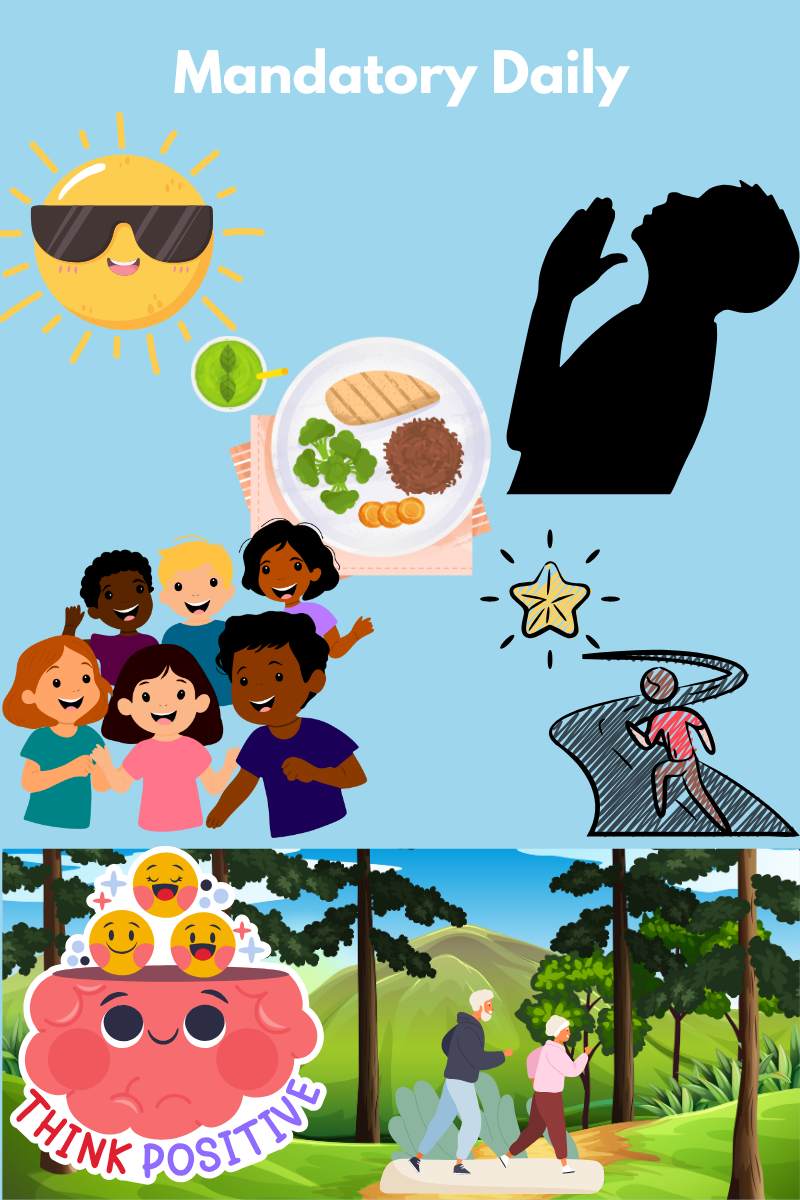
🌞 1. Get Sunlight Daily – Especially in the Morning
Sunlight triggers serotonin (your natural antidepressant), helps you sleep better at night, and literally improves your mood and energy.
Even 10-15 minutes outside can make a difference. Try it after your first class at York—walk around Vari Hall before heading to Scott Library.
Pro Tip: You’re not just “lazy.” Your body’s circadian rhythm might be out of sync because you’re not getting light in your eyes early enough.
🏃 2. Move Your Body Every Day
No, you don’t need to hit the gym for an hour. A 20-minute walk counts.
Movement improves your mood, digestion, focus, and sleep. It also helps regulate cortisol (your stress hormone), which is probably sky-high if you’re juggling deadlines and jobs.
Walking outdoors doubles the benefit—it’s movement and nature exposure.
Try walking from Stong to Glendon instead of taking the shuttle once a week. You’ll be shocked how much better you feel after.
🌳 3. Be Around Nature – Not Just Screens
Nature helps regulate your nervous system. Trees, sky, grass—even in small doses—have a calming effect on your brain.
Ever notice how your brain feels different after walking through York’s arboretum or just sitting on the grass outside Accolade?
If you’re feeling overwhelmed, don’t scroll. Step outside. It’s free and more effective than doomscrolling TikTok for an hour.
🧠 4. Connect Deeply with People
You don’t need 100 friends. You need 1 or 2 people you can be real with.
Deep connection lowers stress, improves immune function, and protects you from depression and burnout.
If every convo in your life is surface-level, your mental health will suffer—even if you’re always around people.
🍽️ 5. Eat Real Food (Not Just Energy Drinks + Bagels)
Food is information for your brain.
A diet high in ultra-processed food (cereal, frozen meals, chips, etc.) can mess with your mood, focus, and energy.
Start small: Have at least one meal a day with protein, healthy fats, and greens.
If all you’ve eaten today is a muffin and iced coffee from Tim’s… your anxiety isn’t random.
💬 6. Your Self-Talk Matters More Than You Think
Your thoughts literally change your brain. If you’re constantly beating yourself up, your brain wires itself for shame, guilt, and anxiety.
Start noticing your inner voice.
Would you talk to a friend the way you talk to yourself? If not, it’s time to rewire that voice.
And yes, therapy can actually help you do that.
🔥 7. You Need a Sense of Purpose
Going through life with no direction—even if you’re “doing everything right”—feels empty.
Purpose doesn’t have to mean having your dream job or a 10-year plan. It can mean doing things that matter to you, helping people, learning, growing.
Ask yourself: What gives me energy, even when I’m tired?
That’s usually the start of finding your “why.”
🙏 8. Connection with the Creator
For many, belief in something greater gives strength during hard times, and anchors us to a deeper sense of meaning.
Whether it’s prayer, reflection, or simply asking bigger questions—don’t neglect your spiritual health.
If you feel hollow, lost, or ungrounded—it may be more than mental. It could be spiritual, too.
When You Miss These Basics, Life Feels Way Harder Than It Needs To
It’s not always anxiety or depression. Sometimes it’s dehydration, no purpose, not seeing the sun, eating junk, talking to no one, and sitting inside 24/7.
We weren’t made to live like that.
FAQ
How long before I see changes?
Usually within a week of applying 2–3 of these habits consistently. Your sleep, energy, and mood start shifting quickly with even small changes.
Isn’t this stuff expensive?
Nope. Most of it is free. Walking outside, seeing friends, being kind to yourself, journaling, or praying costs nothing.
Therapy can cost money—but we’ll talk about that next.
Where do I start?
Pick 2 habits from above. Do them for 7 days. Don’t wait for motivation—just try.
You Deserve to Feel Good Again
You weren’t meant to suffer every day and call it normal. A healthy life isn’t complicated—but it does take intention.
If you’ve tried to fix things on your own and still feel stuck, that’s where we come in.
At Neurova, we offer free, long-term therapy to university students across the GTA—including those at York. No waitlist. No out-of-pocket cost. No interns—only registered therapists.
Our team helps you figure out exactly what’s going wrong—and gives you the tools to fix it.