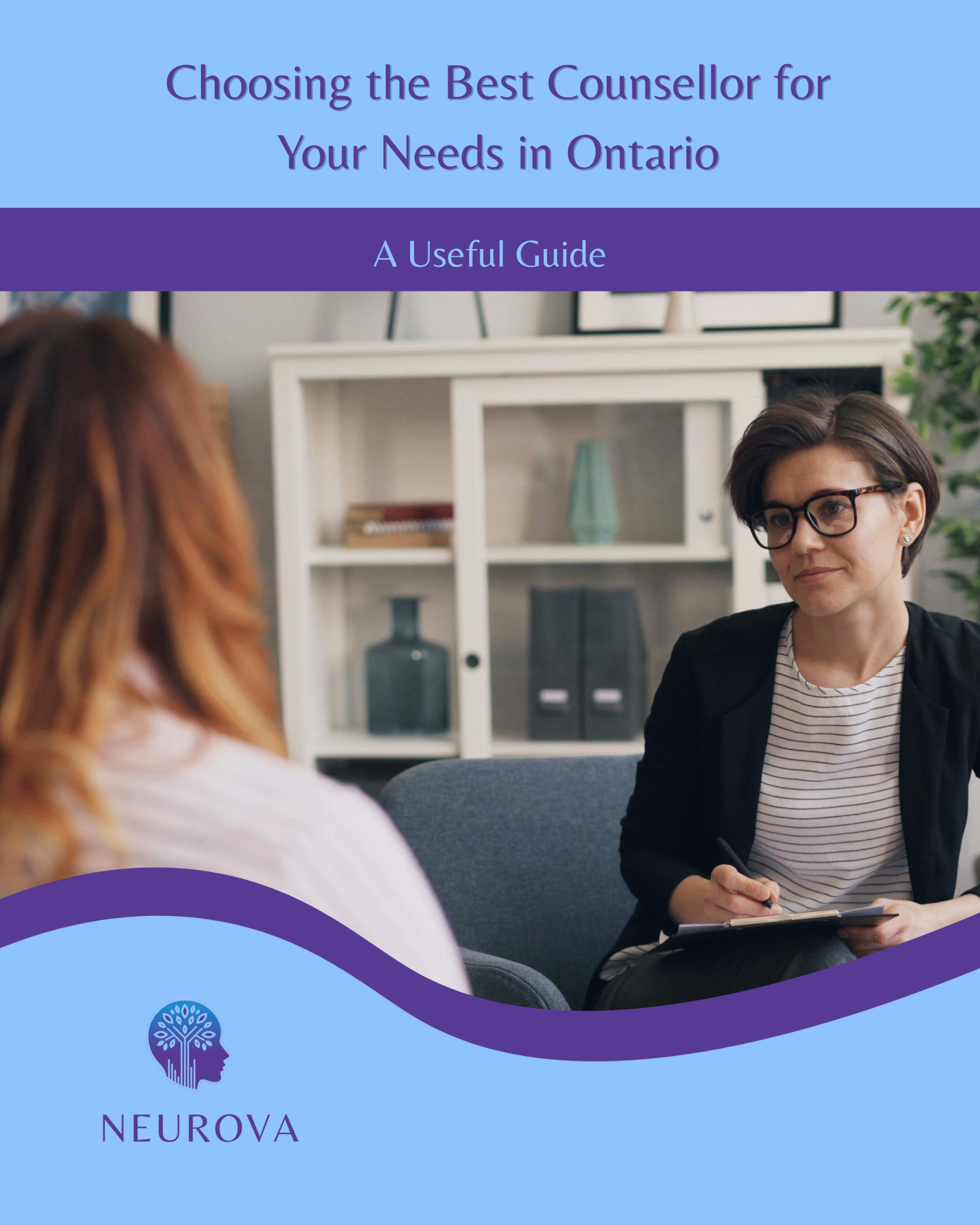
Finding the right counsellor can feel like a personal and sometimes overwhelming decision. The person you choose will play an important role in guiding you through challenges, helping you build coping skills, and supporting your mental and emotional growth. In Ontario, where many qualified counsellors are available, the challenge isn’t finding someone — it’s finding the right someone for you.
The connection you have with your counsellor, often called the therapeutic alliance, is one of the strongest predictors of success in counselling. This means it’s not just about qualifications or years of experience; it’s about trust, comfort, and mutual understanding. In this guide, we’ll walk through what counsellors do, the credentials to look for, how to match their specializations to your needs, and how to find quality care that fits your budget.
What Is a Counsellor?
In Ontario, the term counsellor is broad and can refer to professionals from different backgrounds. Some are registered social workers or registered psychotherapists; others may be psychologists who offer counselling as part of their practice. Counsellors can work in private clinics, community agencies, schools, hospitals, or non-profit organizations.
Counselling tends to focus on helping clients navigate specific issues, such as relationship problems, workplace stress, grief, or major life transitions. While counselling can be short-term and goal-oriented, it can also be a longer process, depending on the nature of the challenges you’re addressing.
Why Choosing the Right Counsellor Matters
The relationship between you and your counsellor has a profound effect on your progress. Research consistently shows that the quality of the therapeutic relationship is more important than the specific type of therapy used. If you don’t feel comfortable opening up, or if you don’t feel heard, it will be harder to make meaningful progress.
Choosing a counsellor who understands your situation, communicates in a way you connect with, and respects your values will make your sessions more productive. This doesn’t mean you have to find someone identical to you in personality or background — but you should feel safe, understood, and respected.
Qualifications and Credentials in Ontario
Working with a regulated professional offers the highest level of safety and accountability. In Ontario, these are the main regulatory bodies for counsellors:
- College of Registered Psychotherapists of Ontario (CRPO) – Oversees registered psychotherapists, ensuring they meet educational and ethical standards.
- Ontario College of Social Workers and Social Service Workers (OCSWSSW) – Regulates registered social workers, who often provide counselling alongside other social services.
- College of Psychologists of Ontario (CPO) – Governs psychologists and psychological associates, who can offer therapy and conduct assessments.
Before committing to sessions, verify your counsellor’s registration on the relevant college’s public registry. This ensures they meet professional standards, have proper training, and are bound by confidentiality and ethical guidelines.
Counselling Specializations
Counsellors often develop expertise in specific areas. Some focus on anxiety and depression, while others specialize in trauma recovery, grief counselling, or relationship and family therapy. There are also counsellors who work extensively with students and young adults, LGBTQ+ clients, or people managing chronic illness.
When looking for a counsellor, think about your goals. If you’re struggling after a significant loss, a counsellor with training in grief therapy might be best. If you’re navigating a high-stress work environment, someone with expertise in stress management and burnout prevention could be ideal. Matching your needs to a counsellor’s specialization ensures your sessions focus on strategies proven to work for your type of challenge.
Approaches and Techniques
Different counsellors use different therapeutic approaches, and many integrate multiple techniques. Cognitive Behavioural Therapy (CBT) is one of the most widely used approaches, focusing on identifying and changing negative thought patterns. Solution-focused therapy emphasizes building on your strengths to achieve practical goals. Narrative therapy encourages you to reframe and rewrite the personal stories that shape your identity. Mindfulness-based counselling helps you stay present and reduce anxiety.
It’s perfectly acceptable to ask a counsellor about their approach and how it might help you. Some people prefer structured, strategy-driven sessions, while others benefit more from open-ended, exploratory conversations.
How to Find a Counsellor in Ontario
There are several ways to find a counsellor:
- Online directories like Psychology Today let you filter by location, specialty, and approach, making it easier to find someone who matches your criteria.
- Referrals from your doctor can connect you to trusted professionals.
- Community agencies often provide counselling at reduced rates or free of charge.
- Employee Assistance Programs (EAPs) at workplaces may offer confidential sessions as part of your benefits package.
- University or college counselling centres provide free or low-cost counselling for students.
When possible, arrange a brief introductory call or consultation. This allows you to get a feel for the counsellor’s personality and approach before committing to ongoing sessions.
Cost and Accessibility
In Ontario, private counselling typically costs between $100 and $200 per session. These services are generally not covered by OHIP, except when provided by a psychiatrist or through a hospital-based program. However, many extended health insurance plans cover sessions with registered social workers, psychotherapists, or psychologists.
Some counsellors offer sliding scale fees based on income, which can make services more affordable. Community-based programs and non-profit organizations may offer free sessions, but there can sometimes be waitlists.
Free and Affordable Counsellor Options
If budget is a concern, there are several ways to access free or low-cost counselling in Ontario. Community health centres often provide counselling to residents in their service area. Non-profits like the Canadian Mental Health Association (CMHA) run programs at no cost to clients.
For students, support can be even more accessible. Many institutions have on-campus counsellors or partner with local clinics to offer no-cost services. At Neurova, we provide free therapy for students in Ontario, ensuring that financial limitations don’t stand in the way of mental health care. You can learn more and check eligibility at our therapy page.
Questions to Ask Before Choosing
Before committing to a counsellor, it helps to ask a few questions:
- What is your experience with my specific concern?
- What counselling approach do you use, and why?
- What can I expect in our first few sessions?
- How do you measure progress?
The answers will give you insight into whether their style and experience align with your expectations.
Frequently Asked Questions About Counsellors in Ontario
Do I need a referral to see a counsellor?
No, most counsellors in Ontario can be contacted directly without a referral. Some insurance providers may require a doctor’s note for reimbursement.
Can I switch counsellors if the fit isn’t right?
Yes. The fit is essential to successful counselling, and it’s okay to try another counsellor if you don’t feel comfortable with your current one.
Is online counselling effective?
Yes. Many clients find online counselling just as effective as in-person sessions, and it offers convenience for those with busy schedules or mobility challenges.
How do I know if the fit is right?
You should feel comfortable, respected, and able to share openly. If you feel understood and supported after your first few sessions, that’s a good sign you’ve found a strong match.
Conclusion
Choosing the right counsellor is a personal decision that can greatly influence your journey toward improved mental health and well-being. By considering credentials, specializations, therapeutic approaches, and cost, you can find someone who truly meets your needs.
If you’re ready to begin your counselling journey, Neurova offers professional therapy services across Ontario, including free therapy for eligible students. Take the first step toward the support you deserve — visit https://neurova.ca/therapy/ to learn more and book your session today.