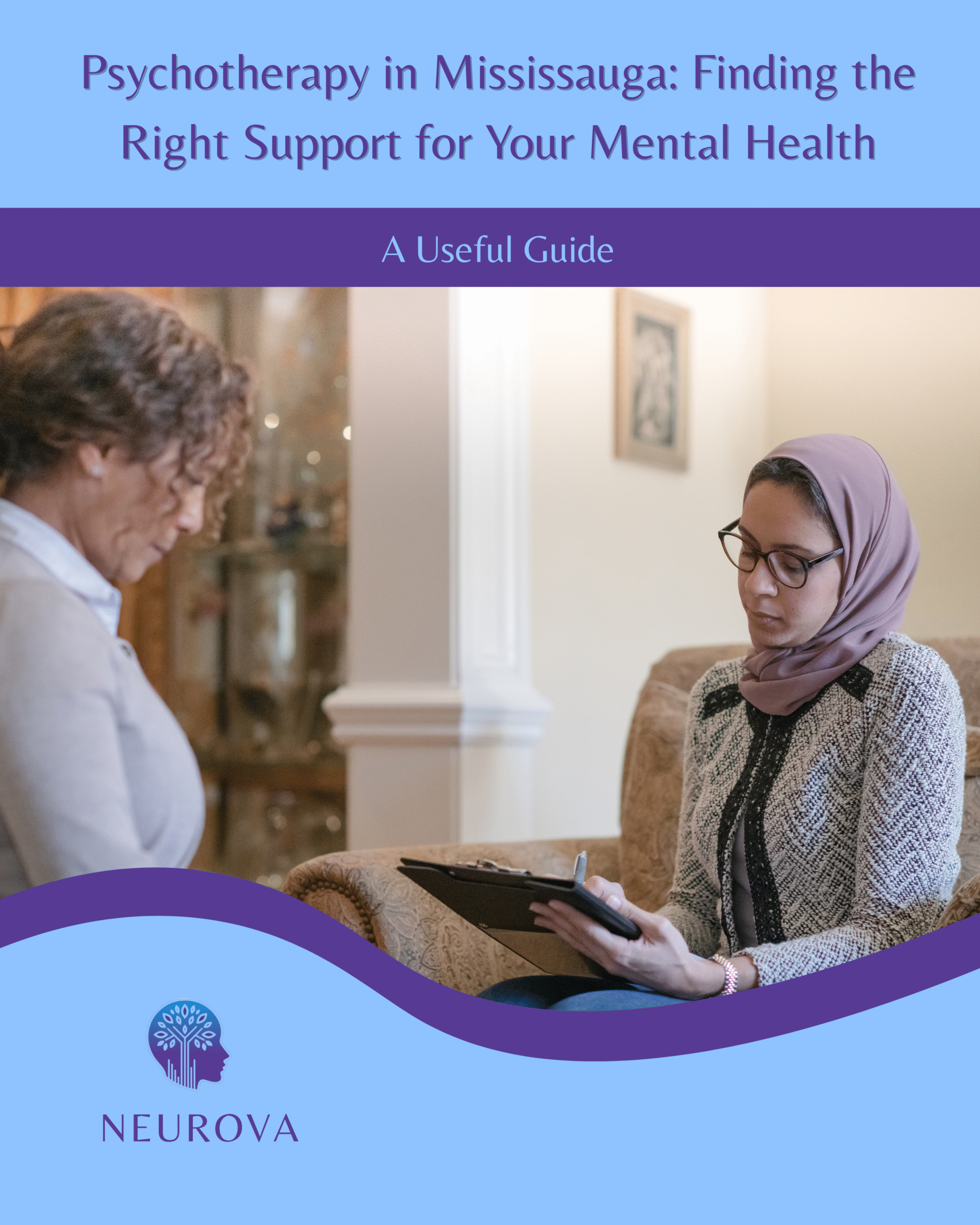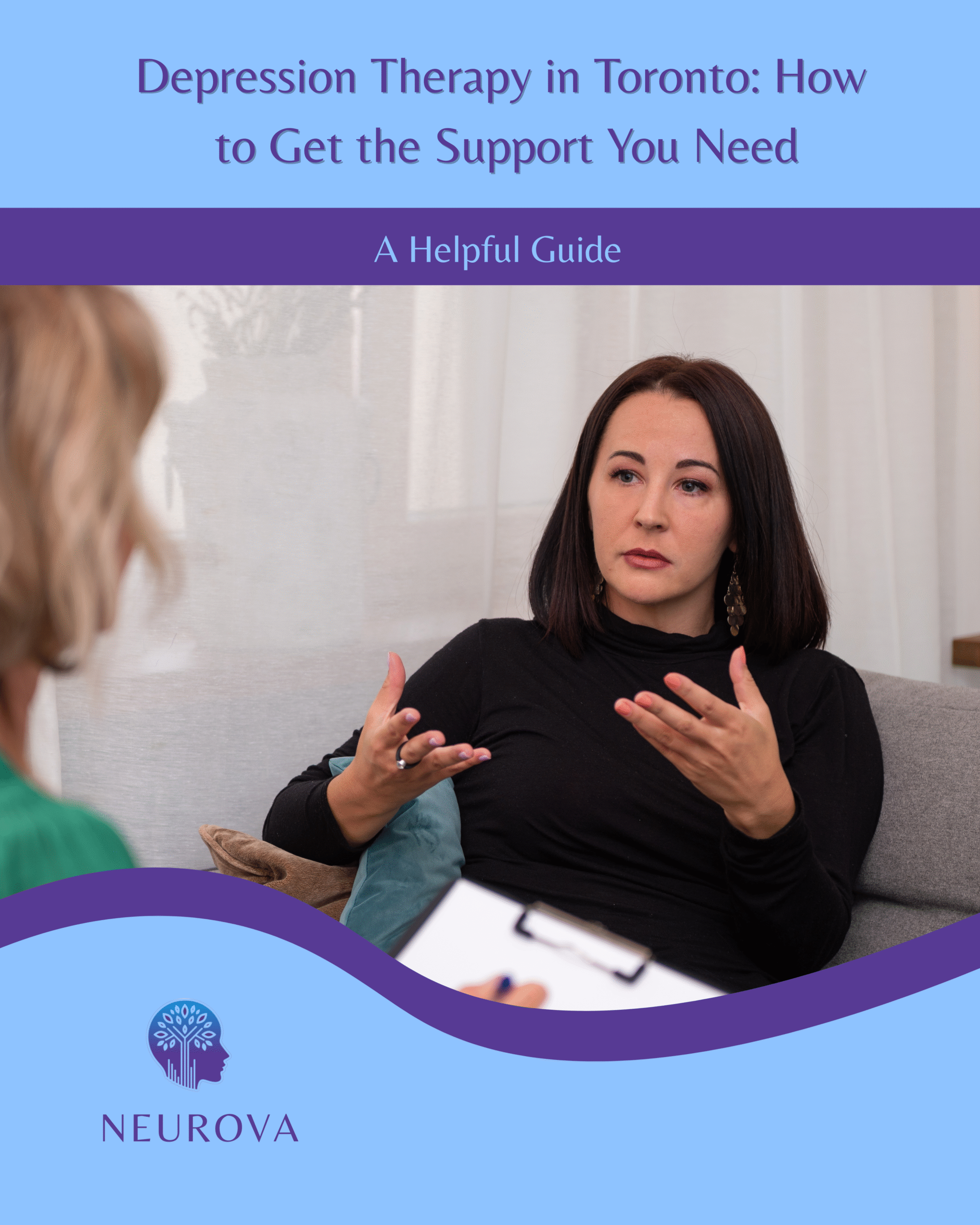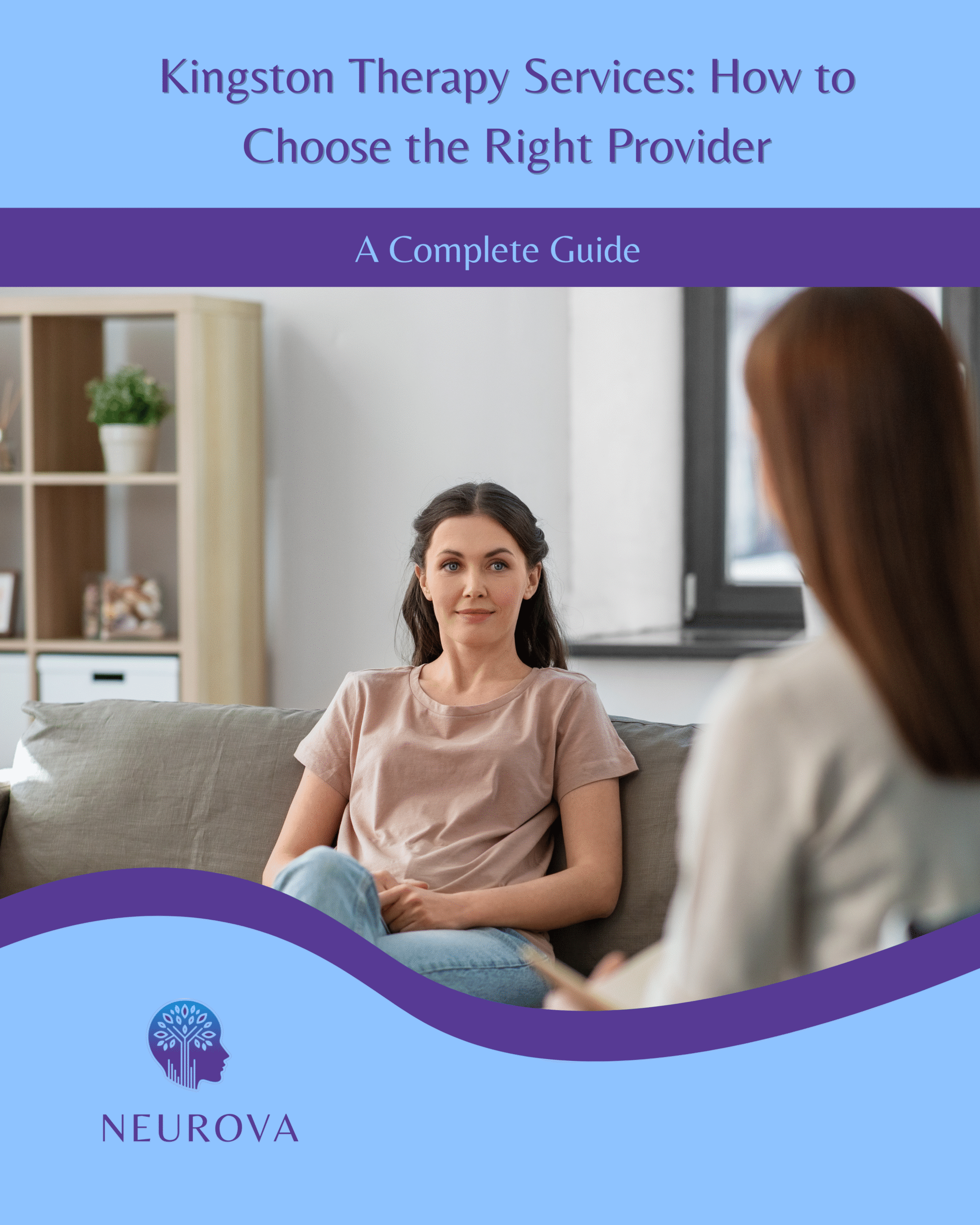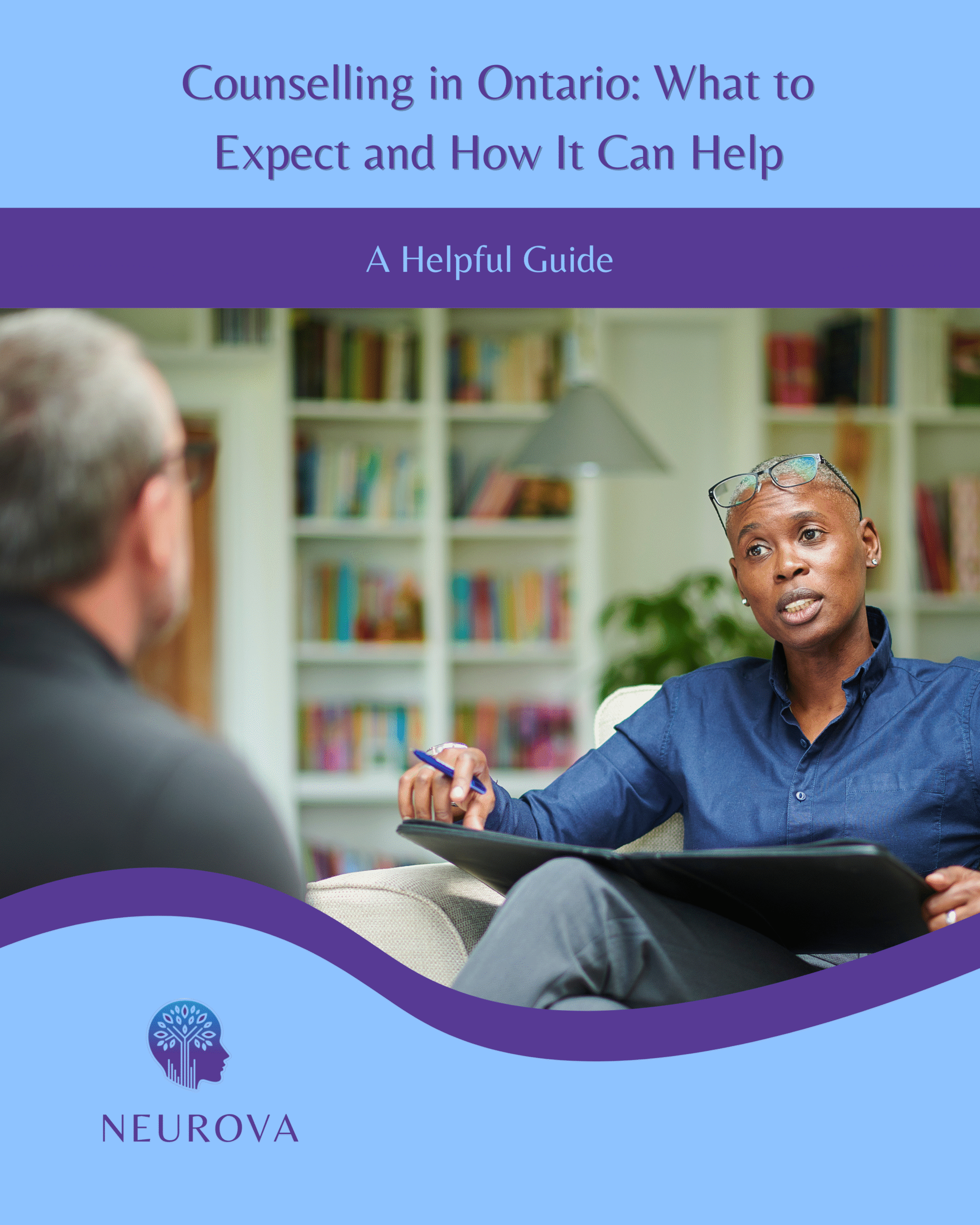
The first step toward change often starts with a conversation — one that feels safe, supportive, and truly heard. For many people in Ontario, counselling offers a safe and supportive space to work through these struggles and develop healthier ways of coping. Whether you’re facing a specific issue like anxiety or grief, or you simply want to improve your overall well-being, counselling can be a powerful step toward change.
This guide will explain what counselling is, who provides it, the approaches used, and how you can find and afford the right counselling services in Ontario — including options for free or low-cost support.
What Is Counselling?
Counselling is a collaborative process between you and a trained professional, focused on addressing personal, emotional, and psychological challenges. While counselling and psychotherapy are often used interchangeably, counselling generally leans toward practical problem-solving and short-term goals, though it can also be long-term depending on your needs.
Through open and honest conversation, a counsellor helps you explore your thoughts, feelings, and behaviours in a non-judgmental environment. The aim is to build insight, strengthen coping skills, and empower you to make positive changes in your life.
Who Provides Counselling in Ontario?
In Ontario, counselling is provided by a variety of professionals, including registered social workers, registered psychotherapists, psychologists, and counsellors working in community agencies. The key is ensuring your provider is registered with a recognized regulatory body such as the College of Registered Psychotherapists of Ontario (CRPO), the Ontario College of Social Workers and Social Service Workers (OCSWSSW), or the College of Psychologists of Ontario (CPO).
Working with a regulated professional means they are bound by ethical guidelines, confidentiality standards, and ongoing training requirements, ensuring you receive safe and competent care.
Common Reasons People Seek Counselling
People in Ontario seek counselling for a wide range of reasons. Some are dealing with acute stressors, such as a relationship breakup, job loss, or a traumatic event. Others are navigating life transitions like moving to a new city, becoming a parent, or adjusting to retirement.
Counselling can also help with mental health conditions such as anxiety, depression, and post-traumatic stress disorder. Beyond managing symptoms, many use counselling for personal growth — improving communication, building self-confidence, or clarifying life goals.
Counselling Approaches in Ontario
Counsellors in Ontario draw from a variety of approaches, often tailoring methods to suit each client’s needs. Solution-focused therapy zeroes in on specific goals and actionable steps. Cognitive Behavioural Therapy (CBT) helps identify and change unhelpful thought patterns. Narrative therapy explores the personal stories we tell ourselves, aiming to rewrite them in more empowering ways. Mindfulness-based counselling focuses on present-moment awareness to reduce stress and anxiety.
Understanding a counsellor’s approach can help you choose someone whose methods align with how you prefer to work through challenges.
What to Expect in a Counselling Session
If it’s your first time in counselling, you might wonder what will happen during a session. In your initial appointment, the counsellor will typically ask about your reasons for seeking support, your personal history, and your goals. This session is about building rapport and understanding your needs.
Subsequent sessions focus on working toward those goals. You might discuss recent events, explore how you reacted to them, and identify strategies for improvement. Counselling is a confidential process, meaning what you share stays between you and your counsellor, except in specific legal or safety-related situations.
How to Find Counselling in Ontario
There are many ways to find counselling in Ontario. Online directories such as Psychology Today allow you to filter providers by location, specialty, and approach. Your family doctor can refer you to mental health professionals, and community agencies often have counsellors on staff.
If you’re a student, your university or college counselling centre may provide free or low-cost sessions. Some workplaces offer Employee Assistance Programs (EAPs) that include confidential counselling as part of your benefits.
Costs and Coverage
Private counselling in Ontario typically costs between $100 and $200 per session. Most private counselling is not covered by OHIP, but many extended health insurance plans cover sessions with registered social workers, psychotherapists, or psychologists.
Some providers offer sliding scale fees, adjusting costs based on income. Others work in community settings where counselling is available at reduced rates or for free.
Free and Affordable Counselling Options
If cost is a concern, you still have options. Community health centres provide free counselling for residents in their area. Non-profit organizations like the Canadian Mental Health Association (CMHA) offer free or low-cost programs. Students can often access free support through their campus counselling centre or through partnerships with local clinics.
At Neurova, we believe financial barriers shouldn’t stand in the way of mental health care. That’s why we offer free therapy for students in Ontario. If you’re a student and want to learn more about your eligibility, visit our therapy page for details.
Frequently Asked Questions About Counselling in Ontario
Do I need a referral to start counselling?
No, you can contact a counsellor directly and book a session without a referral. Some insurance plans may require a doctor’s note for reimbursement, so check your coverage.
How long does counselling last?
It depends on your needs and goals. Some people see a counsellor for a few weeks, while others continue for several months or longer.
Can I switch counsellors if it’s not a good fit?
Absolutely. Counselling works best when you feel comfortable with your provider, so it’s okay to try someone else if the connection isn’t there.
Is online counselling effective?
Yes, research shows that online counselling can be just as effective as in-person sessions for many issues, offering added convenience and accessibility.
How do I know if counselling is right for me?
Counselling can help if you’re feeling stuck, overwhelmed, or unsure how to handle a situation. You don’t need to be in crisis to benefit — many people use counselling for personal growth, improving relationships, or finding clarity during life transitions.
What’s the difference between a counsellor, a psychotherapist, and a psychologist?
In Ontario, counsellor is a general term, while psychotherapists and psychologists are regulated professions with specific training and licensing requirements. All can provide talk therapy, but psychologists can also conduct psychological assessments, and psychotherapists have specialized training in mental health treatment.
Is everything I share in counselling confidential?
Yes, confidentiality is a cornerstone of counselling. Your sessions are private unless there’s a legal obligation to share information, such as if you’re at risk of harming yourself or others, or if there’s a child protection concern.
How often should I attend counselling?
This depends on your needs and budget. Some people attend weekly at first and then reduce to bi-weekly or monthly sessions. Your counsellor will work with you to create a schedule that fits your goals.
What if I can’t afford private counselling?
There are many affordable and free counselling options in Ontario, including community health centres, non-profit organizations, and student support services. At Neurova, we offer free therapy for university students.
Can I do counselling online instead of in person?
Yes, many counsellors in Ontario offer secure online sessions via video or phone. This is ideal if you have mobility challenges, live in a rural area, or prefer the privacy of your own home.
Conclusion
Counselling is a valuable resource for anyone looking to navigate life’s challenges, improve mental health, or work toward personal growth. Whether you need short-term support for a specific problem or ongoing guidance, the right counsellor can help you gain clarity, build resilience, and make meaningful changes.
If you’re ready to explore counselling and take the first step toward better mental health, Neurova is here to support you. We offer professional counselling services for individuals, couples, and students, with free therapy available for eligible students. Learn more and book your session today at https://neurova.ca/therapy/.