Feel lonely even in a crowd?
Scrolling through endless chats, but still feel unseen?
That’s not just in your head—it’s your body crying out. The negative harms on physical and mental health of loneliness are serious. Worse than smoking, drinking, or chronic stress. It quietly damages your health and shortens your life.
Let’s talk about it.
Why This Matters—Especially if You’re a University Student in Toronto
Living near St. George campus? Surrounded by people but rarely connecting deeply?
You’re not alone in that irony.
Loneliness is an epidemic, and Toronto’s university scene—from UofT lecture halls to packed study spaces—is filled with students silently struggling with it.
You might be crushing assignments, attending labs, doing group work—but if you’re not nurturing close, real relationships offline, your nervous system still registers isolation.
And it’s killing us. Literally.
How Loneliness Harms the Body and Mind
It’s not just about feeling sad or bored. Chronic loneliness activates the same stress responses as physical danger.
Your body enters a constant state of low-grade threat, leading to:
Higher inflammation
Elevated cortisol (stress hormone)
Weakened immune function
Poor sleep
Lower cardiovascular health
Reduced cognition and memory
Increased risk of depression and anxiety
One major meta-study found that loneliness increases risk of early death by 26%.
That’s worse than obesity, air pollution, lack of exercise—and yes, even smoking 15 cigarettes a day.
Always Productive, But Still Lonely?
🧠 “I stay busy. I don’t have time to be lonely.”
Being productive doesn’t protect you.
You can be busy and still deeply isolated.
Many UofT students grind through school, side hustles, research labs, and internships—filling up every hour.
But when was the last time you sat with someone and felt fully seen and heard?
Work can’t substitute for real connection. And burnout + loneliness is a dangerous combo.
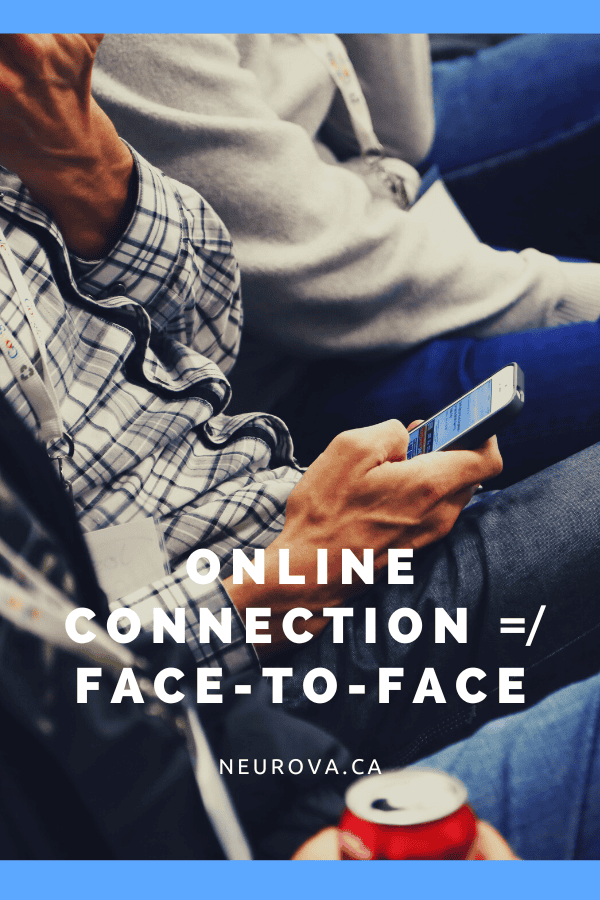
🧑💻 “I talk to people all the time—on Discord, WhatsApp, Reddit…”
We’re more digitally connected than ever, and yet more emotionally disconnected than ever.
Texting isn’t the same as in-person presence.
Your nervous system needs face-to-face interaction to feel safe, grounded, and well.
There’s a huge difference between being “socially available” online… and emotionally available in real life.
The Loneliness Epidemic in Toronto
Toronto is one of the loneliest major cities in North America.
It’s not just you. Almost everyone feels it—but most don’t say it.
Especially if you’re:
An international student
Living far from family
A commuter
Queer, neurodivergent, racialized, or just “feel different”
You might feel like everyone else has their group already.
But the truth? Most people are just as disconnected, but pretending not to be.
What Happens If You Don’t Deal With It?
It doesn’t just “go away.”
Chronic loneliness affects your brain structure, increases risk of dementia, worsens mental health, and even affects gut health and digestion.
It can lead to:
Feeling numb or foggy
Oversleeping or insomnia
Emotional outbursts or deep withdrawal
Lack of motivation or burnout
Chest tightness, appetite changes, or shallow breathing
If you’re experiencing any of that, pause.
Take it seriously.
But I Don’t Know How to Fix It
That’s valid.
Making friends in adulthood is awkward, confusing, and full of rejection.
Especially if you have trust issues, past trauma, or social anxiety.
You might be asking:
“Do I initiate or wait?”
“What if they don’t like me back?”
“What do I even say?”
This is where therapy can help.
Because this isn’t just about other people—it’s about how you relate to yourself, too.

FAQ
What are the harms of loneliness?
Loneliness leads to:
Chronic inflammation
Heart disease
Higher risk of mental illness
Weakened immunity
Memory loss
Premature death
It literally rewires your nervous system for survival, not connection.
Does it really shorten my lifespan more than drugs/alcohol/cigarettes?
Yes.
Studies show loneliness increases mortality risk more than smoking or excessive drinking.
That’s how serious it is.
It activates the same biological pathways as trauma and chronic stress.
Where do I start?
Start by acknowledging it.
Then, take one step:
Open up to someone you trust.
Journal your thoughts.
Seek therapy to unpack deeper blocks.
No shame. Just honesty.
There Is a Way Out (You Don’t Have to Stay Alone)
If you’re a university student in the GTA, you don’t have to suffer in silence.
Neurova offers free, no-waitlist, long-term therapy for students just like you—right here in Toronto.
Our therapists specialize in connection, emotional safety, and deep healing.
We help you explore your own patterns and slowly build the tools for healthier relationships—with others and yourself.
Whether you’re at UofT St. George, TMU, York, or OCAD—you can get support right now.