If you’re a student at York University or anywhere across the GTA, stuck in a program that doesn’t feel right, constantly performing for grades, approval, and expectations—you might be overdue for a check-in with yourself. This blog isn’t here to tell you to “just do what you love” (as if life’s that simple). It’s here to show you how free student counselling in the GTA can help you stop chasing empty goals and actually find out what matters to you.
Let’s break it down. No fluff—just tools, insight, and truth.
🎯 What’s the Difference Between Extrinsic vs Intrinsic Motivation?
Understanding this is key to feeling less lost and more aligned.
Extrinsic motivation = doing something for a reward or to avoid punishment (e.g., grades, praise, a good job, not upsetting your parents).
Intrinsic motivation = doing something because it’s genuinely meaningful, interesting, or connected to your values.
Here’s the catch: you can achieve all the goals in the world and still feel miserable if you’re only chasing extrinsic rewards.
💭 Self-Reflection Exercise: Are You Living for You?
Try journaling or mentally answering these 5 questions:
Why did I choose this degree or career path?
What would I study if no one judged me?
What are 3 things I do that make me lose track of time (flow state)?
When was the last time I felt proud of myself, even if no one else noticed?
Whose opinion do I fear the most, and how much does it shape my decisions?
If your answers surprise you, you’re not alone. Many students at York are doing what they think they should do, not what they want to do.
🧠 How This Shows Up In Real Life (and Mental Health)
You can’t focus because you’re constantly anxious or second-guessing.
You procrastinate, not because you’re lazy, but because you’re not emotionally invested in the work.
You over-commit, join clubs, take extra credits—not for growth, but to impress.
You feel burnt out, but can’t figure out why—you “should” be doing great, right?
This pattern is exhausting because you’re not just working hard—you’re carrying the emotional weight of trying to be someone you’re not.

📌 Real Strategies to Reconnect with Your Internal Drive
Before you even talk to a therapist, try these:
1. Values Sorting
Google “personal values list” and pick your top 10. Then narrow it down to 5. Ask yourself:
Am I making decisions that reflect these values?
If not, what’s blocking me?
2. The “Why x 5” Method
Take a goal you’re working toward and ask why you want it—five times in a row.
Example:
I want to go to law school.
Why? To get a good job.
Why? So I can make money.
Why? So I can be independent.
Why? Because I grew up always depending on others.
Why? Because I want to feel in control of my life.
This exercise reveals your true motivators, often rooted in your history, identity, and emotional needs.
3. Comparison Detox
Unfollow 5 people or pages that make you feel “less than” every time you see their content. Then follow 5 accounts that align with your actual interests (even if they’re “cringe” or weird—this is YOUR feed).
🏫 York U Real Talk: It’s Okay to Pivot
If you’re a York student, you’re surrounded by pressure—from family, peers, and even faculty. “How many internships have you done?” “What’s your GPA?” “What’s your plan after graduation?” And while these questions might come from concern, they can push you into survival mode, not self-awareness.
Walking from Scott Library to Curtis Lecture Hall, you’ll see students who look like they have it together. But inside, many are questioning their whole direction—and afraid to say it out loud.
You’re not broken. You’re just stuck in extrinsic mode.
💬 FAQ – Questions We Hear All the Time
“I’m only in this degree because of my parents.”
That’s valid—and more common than you think. The solution isn’t to drop out immediately; it’s to explore who you arebeyond what others expect.
“I don’t feel motivated anymore.”
Motivation isn’t a mystery. It’s about alignment. When your actions don’t reflect your values, your brain resists. Period.
“How do I become intrinsically driven?”
Start by getting quiet. Journal. Try therapy. Reflect. Test things. Intrinsic drive is built through self-knowledge and aligned action, not a personality trait you either have or don’t.
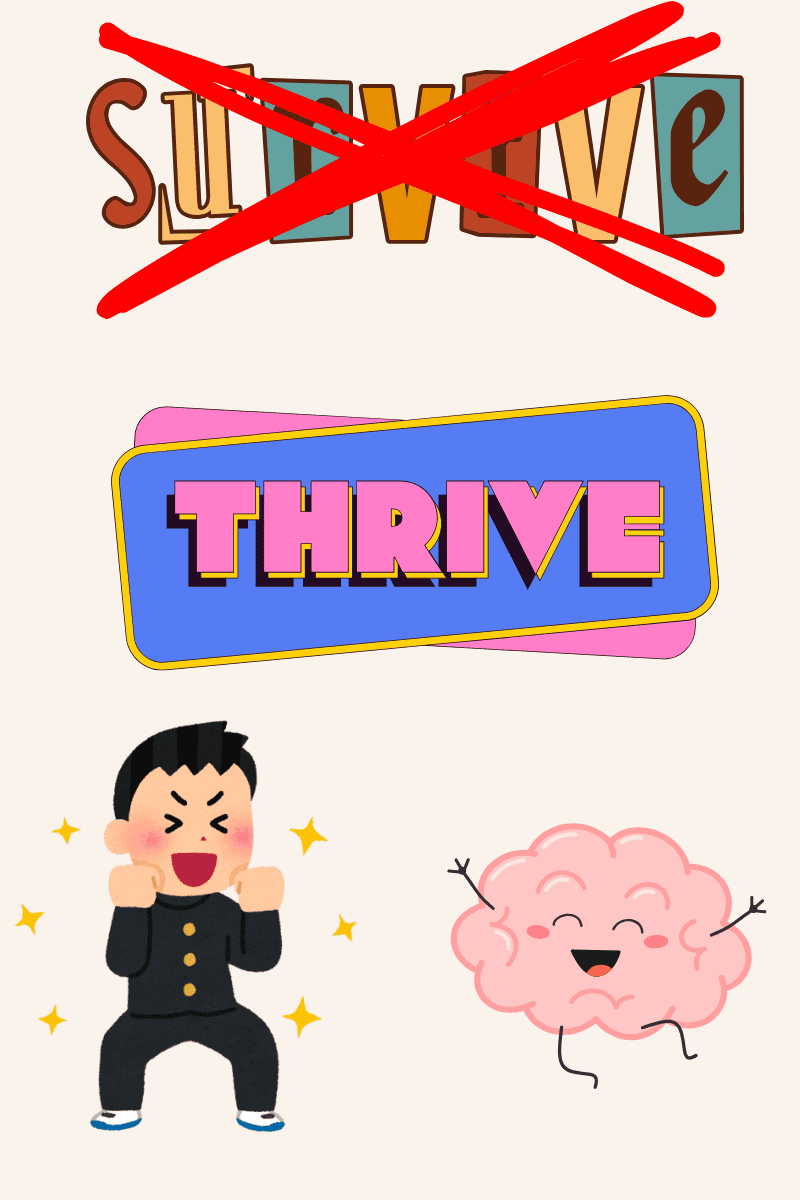
From Surviving to Thriving: How Therapy Helps
Working with a therapist isn’t about being “broken” or needing advice. It’s about creating space for self-discovery.
At Neurova, we focus on helping students:
Clarify personal values and align life decisions with them
Process guilt around disappointing others
Build confidence in saying “no” without shame
Learn motivational tools backed by behavioral science and therapy
It’s not a lecture—it’s a collaboration to help you finally feel like the main character in your own life.
Ready to Reclaim Your Life?
If you’re in the GTA and need free student counselling, Neurova is here to help. We offer no-waitlist, free therapy for York students and others across Toronto.
✅ Real licensed therapists
✅ No judgment, no pressure
✅ We help you go from lost to aligned
Because you don’t have to keep chasing someone else’s definition of success.
It’s time to redefine your own.