Let’s be honest: navigating relationships while juggling school, part-time work, and the pressure to “have it all together” is exhausting. If you’re a university student dealing with the emotional weight of trauma bonding, toxic relationships, or the cycle of chasing people who don’t choose you back, you’re not alone. These issues are more common than you think—especially for students at schools like UofT, where everyone seems fine on the outside but is quietly falling apart inside.
This post isn’t about shaming your choices. It’s about helping you understand why you keep ending up in situations that hurt—and what you can start doing differently. Whether you’re stuck in a situationship, replaying old patterns, or dating someone who keeps you guessing, it’s time to get real about your relationship blueprint.
Trauma Bonding Isn’t Just a Buzzword
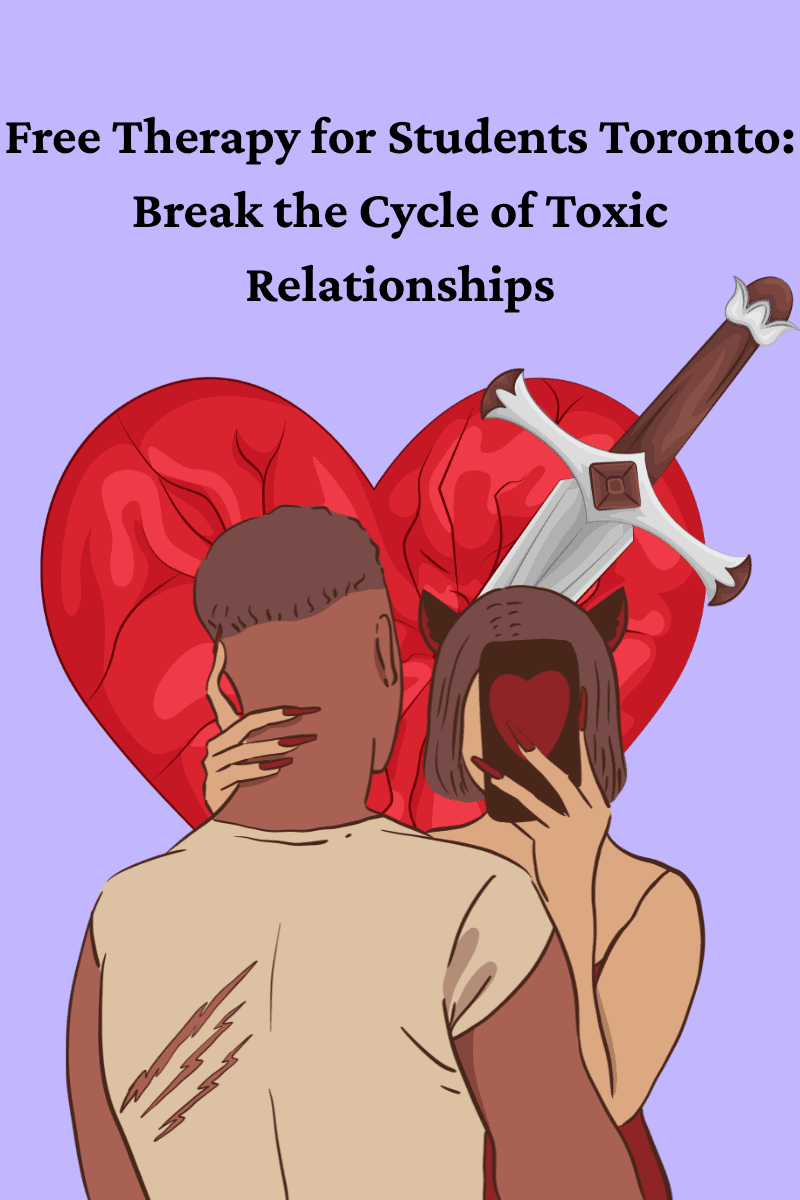
If you’ve ever felt “addicted” to someone who wasn’t good for you, even though your friends begged you to walk away, you’ve likely experienced trauma bonding. It’s a survival mechanism—your nervous system starts to confuse chaos with closeness, inconsistency with chemistry.
This often comes from unresolved past experiences, like childhood emotional neglect, rejection, or even earlier toxic relationships. You may find yourself rationalizing poor treatment, hoping they’ll change, or mistaking intense highs and lows for love.
Here’s what trauma bonding might sound like:
“They’re just emotionally unavailable, but deep down I know they care.”
“I know I should leave, but I can’t seem to.”
“I’m scared I’ll never find this kind of connection again.”
Why You’re Drawn to Toxic Relationships (Again and Again)
Patterns repeat until we understand them. Many students at the University of Toronto struggle with identifying why they keep dating the same emotionally distant, unavailable, or chaotic people. But there’s often a root cause beneath it all.
Here are some reasons you may be stuck in the cycle:
You’re used to inconsistency. If your early experiences taught you love was conditional or unpredictable, that’s what feels “normal.”
You confuse intensity with intimacy. Trauma bonds thrive on drama—love bombing, then withdrawal. It’s not your fault, but it is a pattern.
You haven’t had space to reflect. Between midterms, clubs, and navigating Toronto’s dating scene, self-awareness often takes a backseat.
Breaking the Cycle Starts with Self-Awareness
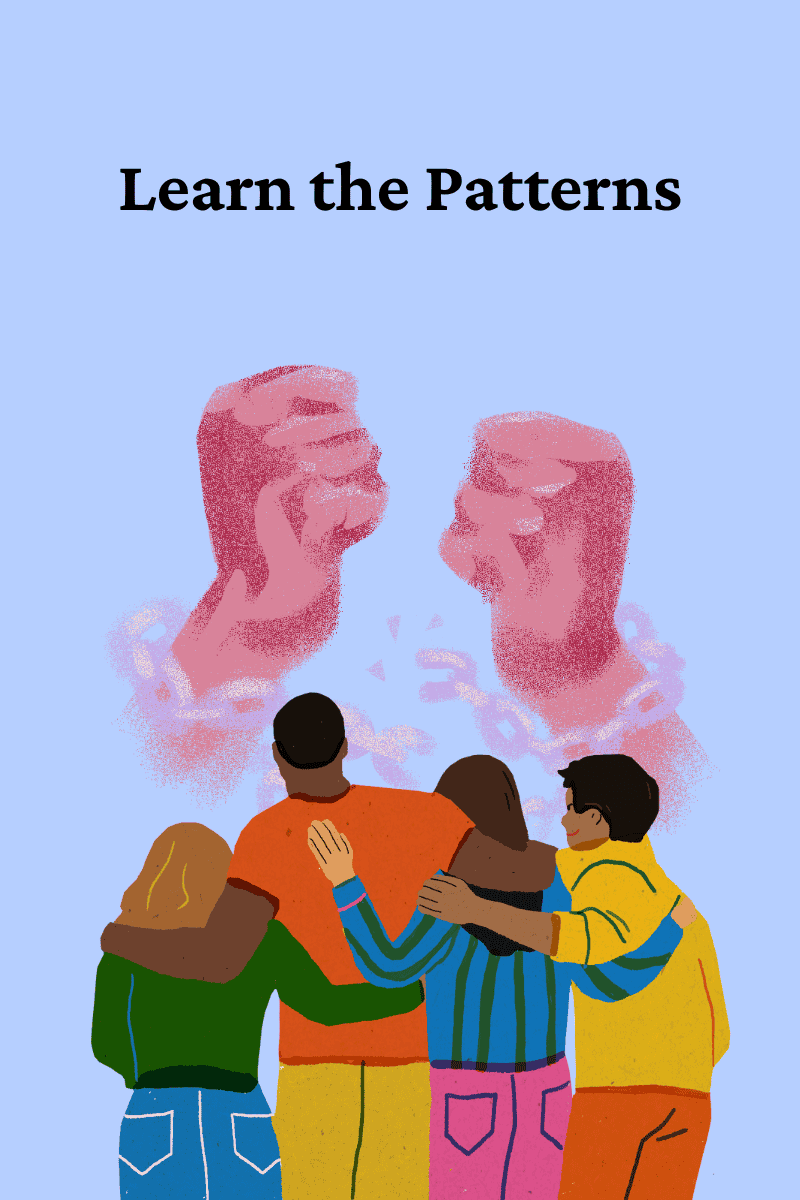
To move forward, you need to hit pause. That means shifting from “What’s wrong with me?” to “What am I repeating?”
Ask yourself:
What beliefs do I have about love and relationships?
What feelings do I chase in relationships—safety, excitement, validation?
How do I act when someone pulls away or starts losing interest?
When you begin identifying the underlying emotional needs you’re trying to meet, you can start finding healthier ways to fulfill them.
Practical Tools to Start Healing from Toxic Patterns
You don’t need to wait for another heartbreak to start doing the work. Here are five student-friendly steps to begin unraveling toxic relationship cycles:
Keep a Pattern Journal: After each emotional trigger (ghosting, arguments, jealousy), write down what happened, how you felt, and what it reminded you of.
Learn Your Attachment Style: Anxious? Avoidant? Understanding your default style of relating helps decode your dating choices.
Practice Boundary Scripts: Start small—“I need some space right now” or “I’m not okay with how you spoke to me.”
Rebuild Identity Outside of Relationships: Join a club, pick up a hobby, spend time alone on campus. Reconnect with you.
Limit Dopamine Hijacks: Stay off their IG. Mute them. Don’t feed the addiction cycle with constant check-ins or “just one more conversation.”
Why UofT Students Are Especially Vulnerable to These Cycles
Toronto dating is wild. And St. George campus isn’t exactly a soft landing spot emotionally. Academic pressure, career FOMO, hookup culture, and mental health stigma all swirl together into a perfect storm. Students often trade emotional safety for “chill vibes” or situationships where no one really wins.
When you pair this with stress, perfectionism, and unresolved trauma, the outcomes can be rough: burnout, depression, anxiety, and deep loneliness masked by busy schedules and curated social media lives.
FAQ
“I keep attracting short-term relationships that end in devastating fashion. Why?”
This is often tied to unresolved emotional wounds and unconscious pattern repetition. The chaos feels familiar, even if it hurts.
“I don’t have money for therapy. That’s for rich kids.”
At many places, yes. But there are services that make therapy free for students through your university’s health insurance. Don’t count yourself out.
“I don’t want to keep repeating the same cycle. But I don’t know where to begin.”
Start with self-reflection. Understand what you’re really seeking through love, validation, and relationships. Therapy can support this process—but even journaling, podcasts, or books are a start.
One Last Thing: You Don’t Have to Figure This Out Alone
If any part of this post felt like it was written about you—the confusion, the repeating patterns, the pain of giving too much—know this: you are not broken. You’re human. And healing is possible.
Neurova offers free therapy for students in Toronto, with no waitlist, made possible through your student insurance. Our therapists specialize in trauma recovery, toxic relationships, and modern dating issues, especially for students navigating life at schools like UofT, TMU, and York. Whether you’re on St. George campus or online, support is a click away.
Visit us if you’re ready to stop surviving and start understanding.