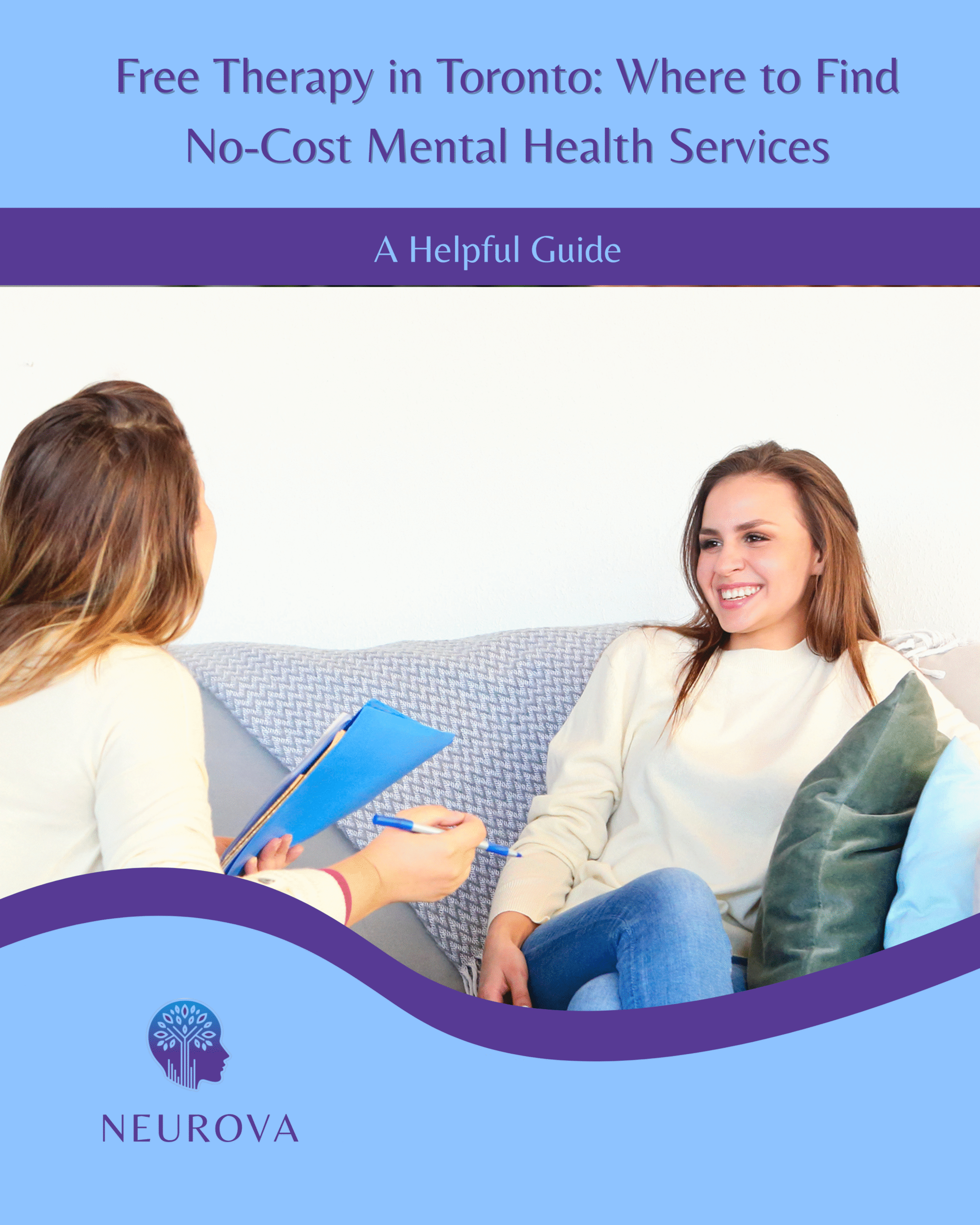
For many people in Toronto, the idea of starting therapy brings a mix of hope and hesitation. On one hand, the benefits of professional mental health support are undeniable — therapy can help you navigate life’s challenges, reduce anxiety, improve relationships, and build resilience. On the other hand, cost is often the biggest barrier. With standard sessions in Toronto ranging from $120 to $200 an hour, it’s easy to see why many delay or avoid getting help altogether.
The good news is that free therapy options do exist in Toronto. From community health programs to university counseling centers, there are multiple ways to access high-quality mental health services without the financial strain. This guide will walk you through the different types of free therapy available, who qualifies, and how you can start receiving support as soon as possible.
Why Free Therapy Matters
The reality is that mental health issues don’t wait for a bigger paycheck. Stress, depression, burnout, and trauma can affect anyone, regardless of financial status. Unfortunately, when therapy is treated as a luxury instead of a necessity, many people suffer in silence.
Free or low-cost therapy programs close this gap by making mental health care more accessible to those who need it most. They allow people to seek help before problems escalate, prevent crises, and maintain emotional stability during challenging times. By removing the financial barrier, these programs encourage more people to take the first step toward healing.
Who Qualifies for Free Therapy in Toronto?
Eligibility for free therapy varies depending on the program or provider. Some programs are open to everyone, while others are limited to specific groups. Common categories include:
- Students – Many post-secondary institutions in Toronto provide free or heavily subsidized counseling services for enrolled students.
- Low-income individuals – Community health centers often provide therapy at no cost to residents who meet certain income criteria.
- Specific populations – Some programs are tailored to seniors, newcomers, refugees, Indigenous communities, or people in crisis.
- People with insurance or EAP coverage – While not technically “free,” these options can result in zero out-of-pocket cost if covered fully.
It’s worth noting that Neurova offers special programs for students, making it possible to access therapy for free if you meet the criteria.
University and College Counseling Services
Toronto’s universities and colleges have some of the most accessible therapy programs in the city. Students at institutions like the University of Toronto, Ryerson University (now Toronto Metropolitan University), York University, George Brown College, and Humber College can book confidential counseling sessions at no cost.
These services are staffed by trained counselors, therapists, or social workers who can assist with:
- Academic stress
- Anxiety and depression
- Relationship challenges
- Time management
- Adjustment to student life
While there may be limits on the number of free sessions, these programs are an excellent starting point. If you need ongoing support, your campus counselor can help connect you with external services that fit your budget.
Community Health Centers in Toronto
Toronto is home to a network of Community Health Centers (CHCs) that offer free or low-cost counseling services. These centers prioritize care for local residents, particularly those facing barriers such as low income, language challenges, or lack of insurance.
Some well-known CHCs in Toronto include:
- Access Alliance Multicultural Health and Community Services – Offers mental health services for newcomers and marginalized communities.
- Regent Park Community Health Centre – Provides counseling for youth, adults, and families.
- Sherbourne Health – Specializes in services for LGBTQ+ communities and people living in poverty.
CHCs often have waitlists, so it’s best to apply as early as possible. Many also provide group therapy programs that can be just as effective as one-on-one sessions for certain issues.
Crisis Lines and Short-Term Free Counseling
If you need immediate help, Toronto has several crisis intervention services that offer short-term therapy or emotional support. These include:
- Toronto Distress Centre – Free, 24/7 phone support for people in emotional crisis.
- Gerstein Crisis Centre – In-person and phone crisis counseling, available 24/7.
- Kids Help Phone – A free resource for children, teens, and young adults in Canada, accessible by phone, text, or online chat.
While these services aren’t meant to replace long-term therapy, they can bridge the gap until you’re connected to a more permanent support system.
Sliding Scale and Donation-Based Therapy
Some therapists in Toronto offer sliding scale fees, adjusting the cost based on your income. In certain cases, this can reduce the cost to zero if you’re facing financial hardship.
There are also therapy training clinics where graduate students, supervised by licensed professionals, provide counseling at a reduced rate or for free. These clinics can be a great way to receive high-quality care at minimal or no cost.
How to Access Free Therapy at Neurova
At Neurova, we believe that financial limitations should never be a barrier to mental health support. That’s why we offer free therapy programs for eligible students. Our goal is to ensure that young people can get help early, before challenges grow into more serious mental health conditions.
If you’re a student in Toronto, reach out to us to discuss your situation. We’ll walk you through the eligibility process, answer your questions, and connect you with one of our trained therapists.
Preparing for Your First Free Therapy Session
Whether your session is in-person or online, a little preparation can make the experience more productive:
- Set clear goals – Think about what you want to achieve, whether it’s reducing anxiety, improving focus, or building coping skills.
- Write down key points – Jot down recent challenges or feelings you want to discuss so you don’t forget them during the session.
- Keep an open mind – Therapy works best when you’re willing to be honest, even if the conversations feel difficult.
FAQ About Free Therapy in Toronto
Q: Are free therapy sessions as effective as paid ones?
A: Yes — effectiveness depends on the quality of the therapist, not the price. Many free therapy programs in Toronto are run by licensed professionals or supervised trainees with rigorous training.
Q: How many free therapy sessions can I get?
A: It depends on the program. University counseling may limit you to 6–8 sessions per year, while some community programs offer ongoing support.
Q: Do I need a referral to access free therapy?
A: Most programs don’t require a doctor’s referral, but some specialized services might. Always check the program’s requirements.
Q: Can I switch therapists in a free program?
A: Yes, although availability may be limited. It’s still important to advocate for a therapist you feel comfortable with.
Q: Is online free therapy available in Toronto?
A: Absolutely. Many programs now offer virtual counseling, making it easier to get help without commuting.
Conclusion
Free therapy in Toronto is not only possible — it’s more accessible than most people realize. Whether you’re a student, a newcomer, or simply someone facing financial challenges, there are programs, centers, and services ready to help. Taking advantage of these opportunities can be a life-changing decision, opening the door to improved mental health, stronger relationships, and a greater sense of control over your life.
You don’t have to face challenges alone. At Neurova, we’re here to provide the tools, strategies, and encouragement you need to feel better and live better. Click here to book your first session today.
Did you know if you’re a student, you’re eligible for free therapy? Contact us to find out how.