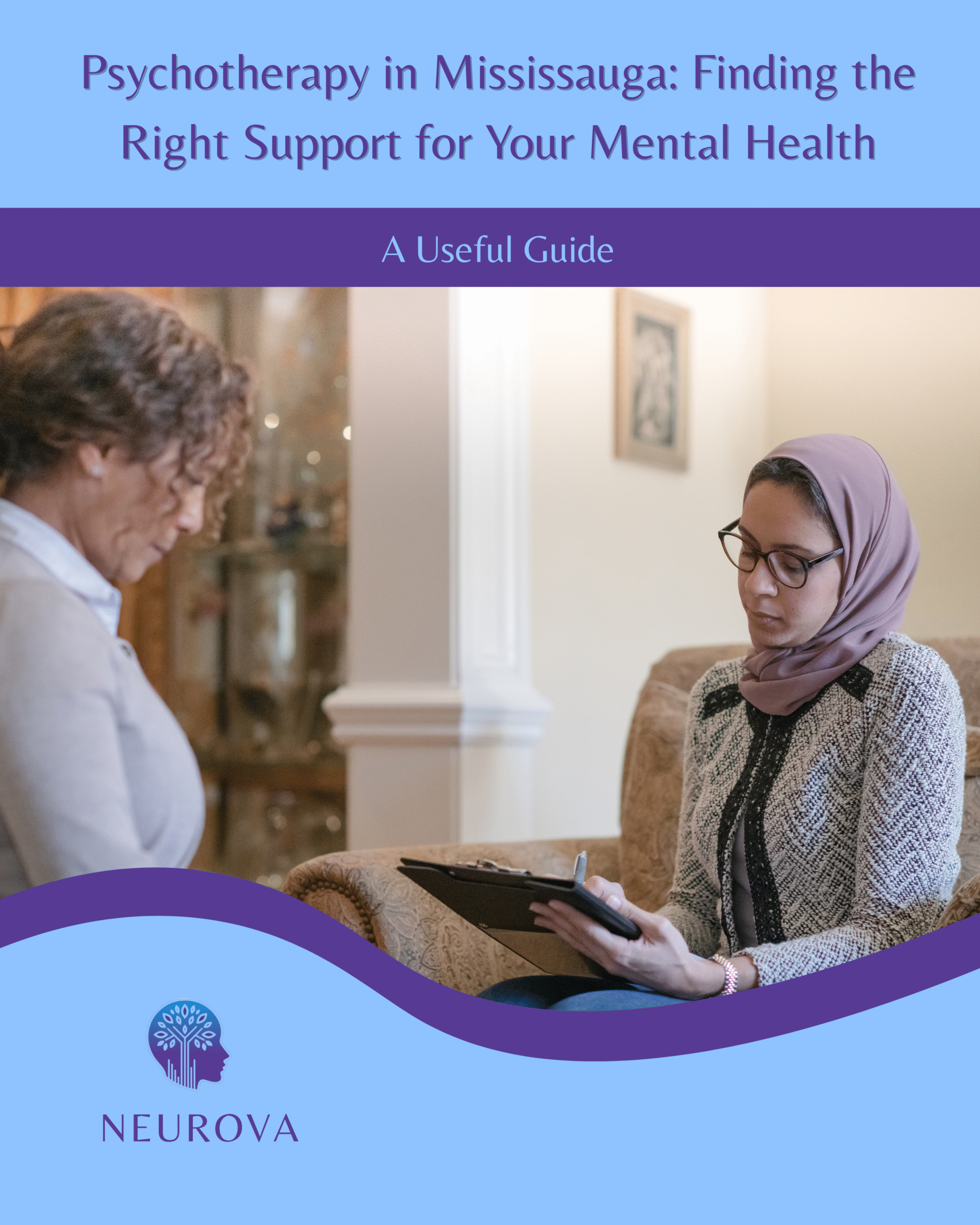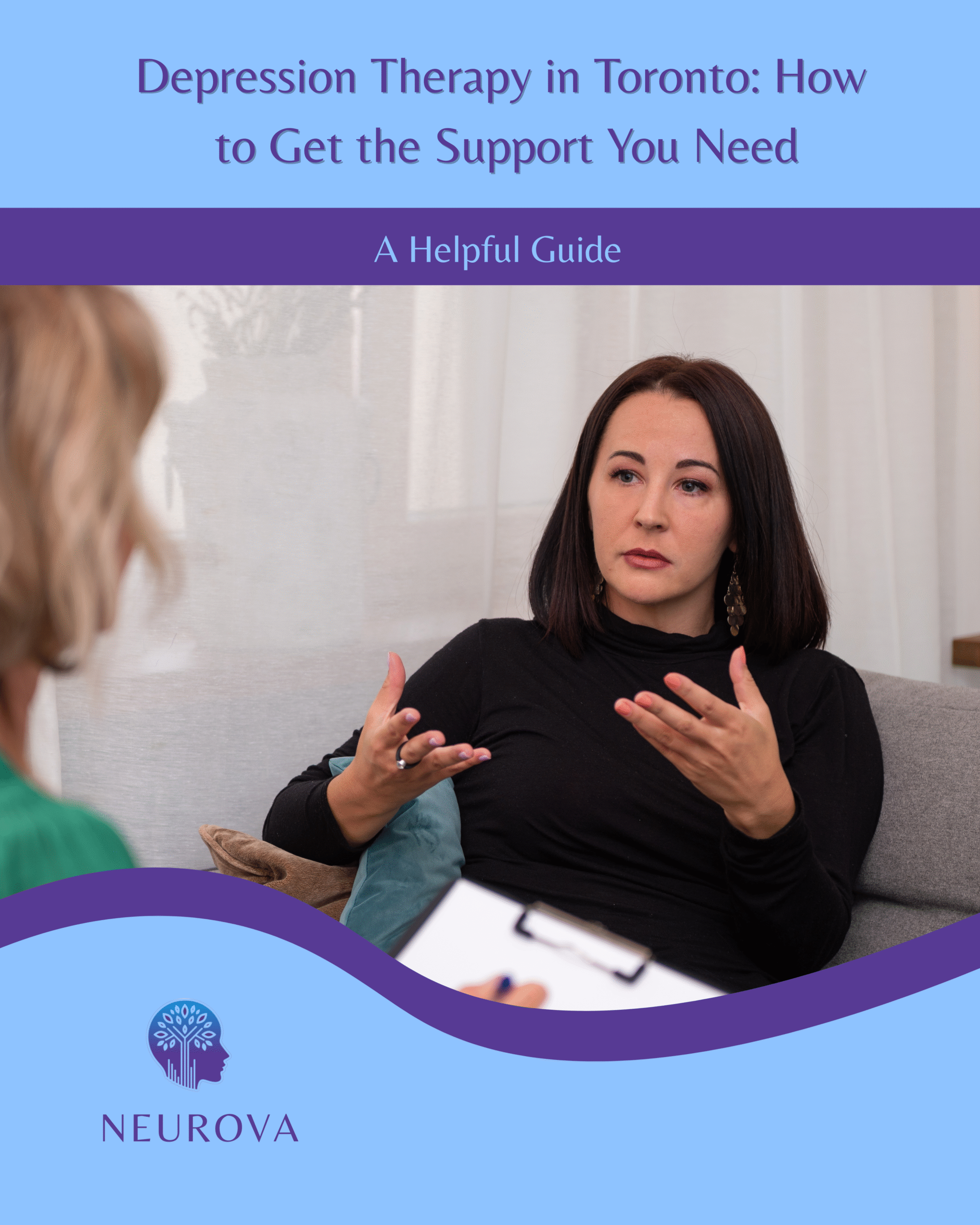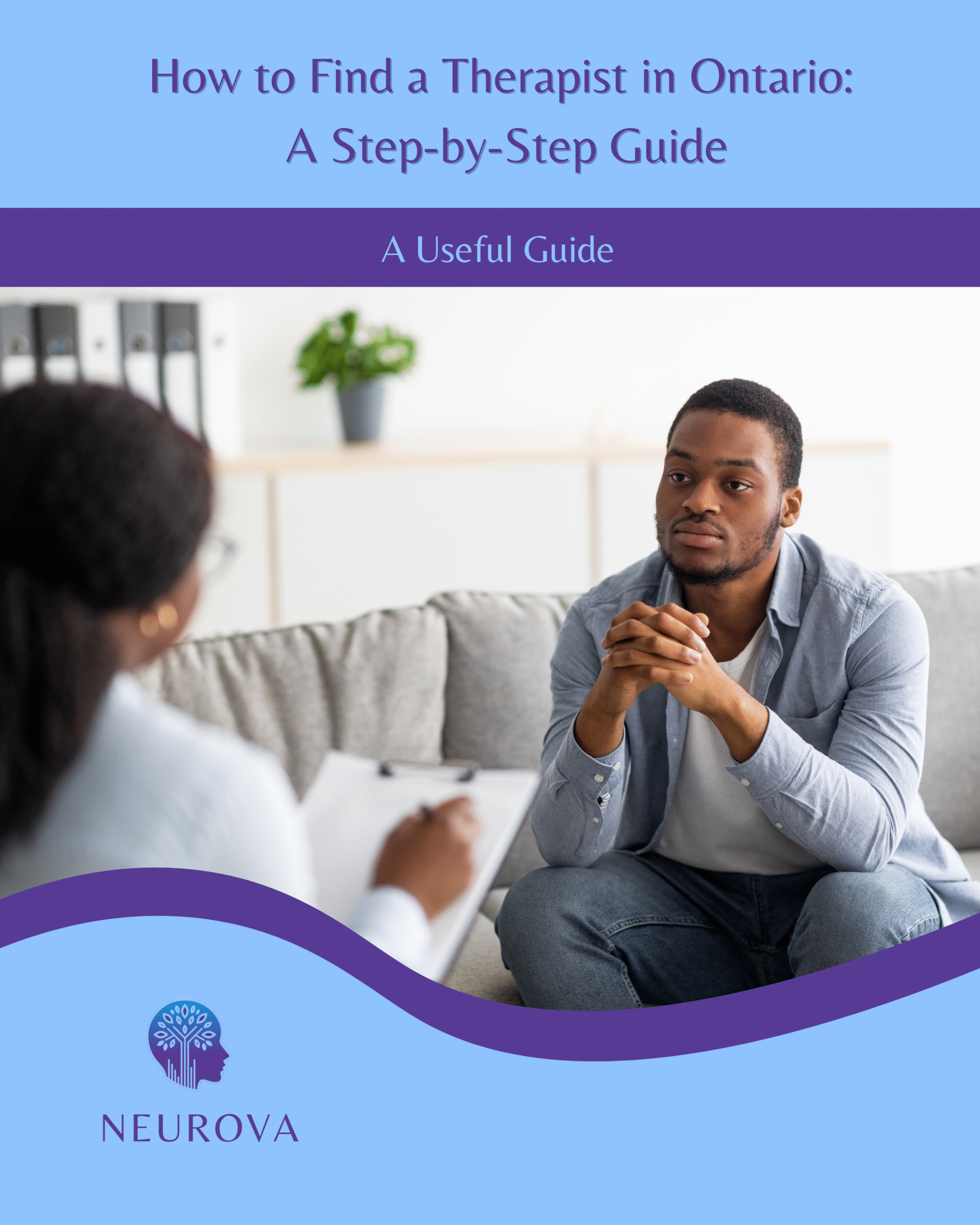
Choosing the right therapist in Ontario can be a deeply personal decision that shapes your mental health journey. While there’s no single “perfect” therapist for everyone, finding someone who aligns with your goals, values, and personality can make a tremendous difference in your progress. The right professional offers more than just listening — they provide strategies, tools, and perspectives that help you move forward. In Ontario, the options are vast, from urban areas like Toronto and Ottawa to smaller communities where access may be limited. That’s why it’s important to approach your search methodically, ensuring you find someone who is qualified, experienced, and the right fit for your needs. With a step-by-step plan, you can save time, avoid frustration, and feel confident that the person you choose will be a supportive partner in your mental health journey.
Identify Your Needs and Goals
Before you begin searching, it’s essential to take a moment to reflect on what you’re hoping to achieve through therapy. Are you looking for support with anxiety, depression, relationship challenges, career stress, or a specific life transition? Understanding your main concerns will help you narrow down the list of therapists to those who have experience in your area of need. Some people approach therapy with a general desire to “feel better,” while others have very targeted objectives such as overcoming a phobia or improving communication skills. You should also think about the type of relationship you’d like with your therapist. Do you prefer a more structured, goal-oriented style, or a conversational, exploratory approach? Being clear on your needs and expectations from the start can significantly improve your chances of finding the right match.
Understand the Types of Therapists in Ontario
Ontario’s mental health landscape is diverse, and not all therapists have the same credentials or training. You might encounter Registered Psychotherapists (RPs), Clinical Psychologists, Social Workers, or Counsellors. Registered Psychotherapists often focus on talk therapy techniques, helping clients work through emotional and behavioural challenges. Psychologists have advanced training in assessment and diagnosis, and they often use evidence-based interventions like CBT. Social workers can provide therapy as well as help connect you to community resources. Counsellors, while not always regulated, may have training in specific modalities or niche areas. Understanding these distinctions is important so that you can match your needs with the right professional background. It also ensures that you choose someone regulated by a professional college in Ontario, which adds a layer of accountability and ethical practice to your care.
Consider Specializations and Approaches
Once you know the type of professional you’re looking for, the next step is to consider their specialization. Some therapists focus on trauma and PTSD, others on couples counselling, grief therapy, or working with teens. Beyond their focus areas, you should also explore the therapeutic approach they use. Popular approaches in Ontario include Cognitive Behavioural Therapy (CBT), Dialectical Behaviour Therapy (DBT), psychodynamic therapy, mindfulness-based therapies, and solution-focused therapy. Different approaches resonate with different people, so it’s worth reading about how each one works and deciding which aligns best with your personality and goals. For instance, CBT might suit you if you want practical strategies to change thinking patterns, while psychodynamic therapy may be better if you want to explore the root causes of issues.
Decide Between In-Person and Online Therapy
One of the first big choices is whether you prefer in-person sessions or online therapy. In-person therapy offers the benefit of a more personal connection and can be especially helpful for those who value face-to-face interaction. Online therapy, on the other hand, offers flexibility and can be more accessible for people living in rural areas, those with busy schedules, or those who feel more comfortable opening up from home. Both formats can be equally effective, provided you have a reliable internet connection for virtual sessions. You may even choose a hybrid approach, starting online and switching to in-person or vice versa, depending on your needs and availability.
Search for Therapists in Your Area
When it’s time to start searching, you can use online directories such as Psychology Today, the Ontario Society of Registered Psychotherapists, or the College of Registered Psychotherapists of Ontario. Many people also find success by asking their family doctor for recommendations or seeking referrals from friends or colleagues. If you live in a smaller town, you may need to expand your search radius to nearby cities or consider online options. Keep a short list of therapists whose profiles and approaches resonate with you so you can move forward to the vetting stage without feeling overwhelmed.
Check Credentials and Registration
Before booking an appointment, always verify that your therapist is registered with a professional regulatory body in Ontario, such as the College of Registered Psychotherapists of Ontario (CRPO), the Ontario College of Social Workers and Social Service Workers (OCSWSSW), or the College of Psychologists of Ontario. These organizations ensure that practitioners meet ethical and professional standards. Registration also means there’s an avenue for complaints or concerns should anything go wrong. Never hesitate to ask for a therapist’s registration number — reputable professionals will readily provide it.
Review Costs, Insurance, and Sliding Scale Options
Therapy in Ontario can range in price from $100 to $250 per session, depending on the therapist’s qualifications and location. Unfortunately, most services are not covered by OHIP unless they are provided in a hospital or by a psychiatrist. However, many extended health insurance plans cover part or all of the cost. It’s important to confirm whether your provider covers the specific type of therapist you’re seeing. Some therapists also offer sliding scale fees based on income, making therapy more accessible for those with financial constraints.
Read Reviews and Ask for Recommendations
Client reviews can provide valuable insight into a therapist’s style and effectiveness. While you should take online reviews with a grain of salt, patterns in feedback can highlight strengths or potential issues. Personal recommendations from trusted friends, family, or healthcare providers often carry more weight, as they come from firsthand experience. Just remember that a therapist who is a perfect match for one person might not be the right fit for you, so use reviews and recommendations as a guide, not the final word.
Book a Consultation or Introductory Call
Many therapists in Ontario offer a free 15–20 minute phone or video consultation. This is your chance to get a feel for their personality, communication style, and approach. You can ask about their experience with your specific issues, their preferred therapy methods, and what a typical session looks like. Pay attention to how comfortable you feel during this conversation — rapport is a critical factor in therapeutic success.
Evaluate the Fit After the First Session
Even after you choose a therapist and attend your first session, it’s important to reflect on how you feel afterward. Did you feel heard and understood? Was the conversation productive? Do you feel a sense of trust and comfort? If the fit doesn’t feel right, it’s okay to try someone else. Therapy is a personal process, and finding the right match is worth the effort, even if it takes a few tries.
FAQ – Finding a Therapist in Ontario
Q: How do I know if a therapist is licensed in Ontario?
A: In Ontario, licensed therapists are usually registered with a governing body such as the College of Registered Psychotherapists of Ontario (CRPO), the Ontario College of Social Workers and Social Service Workers (OCSWSSW), or the College of Psychologists of Ontario. You can verify their registration through the official online public registries of these organizations. Checking their license ensures they meet professional and ethical standards, which helps protect your safety and the quality of your care.
Q: How much does therapy typically cost in Ontario?
A: Therapy fees in Ontario vary depending on the provider’s credentials, location, and specialization. On average, sessions range from $120 to $200 per hour for private practice. However, options like sliding-scale fees, employee assistance programs (EAPs), and insurance coverage can make therapy more affordable. It’s a good idea to ask about rates upfront and whether the therapist offers any reduced-fee slots for those with financial constraints.
Q: Is therapy covered by OHIP?
A: OHIP does not typically cover therapy with private practitioners such as psychotherapists or counsellors. However, sessions with psychiatrists—who are medical doctors—are covered when referred by your family physician. Some hospitals and community health centres may also offer free or low-cost counselling services. Many people combine OHIP-covered options with private therapy to balance cost and accessibility.
Q: How do I find a therapist who specializes in my issue?
A: Start by clarifying the main challenges you want to address—whether it’s anxiety, depression, trauma, relationship concerns, or something else. Then, search professional directories like Psychology Today, the CRPO’s public register, or community mental health resources. These listings often allow you to filter by specialty, therapeutic approach, language, and location, making it easier to match your needs with the right expertise.
Q: What’s the difference between a psychotherapist, psychologist, and psychiatrist?
A: A psychotherapist focuses on talk therapy and is trained in various therapeutic approaches. A psychologist can provide therapy and conduct psychological assessments but cannot prescribe medication. A psychiatrist is a medical doctor who can diagnose mental health conditions, prescribe medication, and may also offer therapy. Understanding these distinctions helps you decide which professional is best suited for your needs.
Q: How do I know if online therapy is right for me?
A: Online therapy can be just as effective as in-person sessions for many people, especially for conditions like anxiety, depression, and stress management. It’s a good option if you have mobility issues, live in a remote area, or need scheduling flexibility. However, if you prefer face-to-face interaction or require certain forms of hands-on treatment, in-person sessions may be more suitable.
Q: What should I expect in the first session?
A: The first session is typically an intake or assessment appointment. Your therapist will ask about your background, current challenges, and goals for therapy. This is also your opportunity to ask questions about their approach, experience, and what you can expect from future sessions. The goal is to determine if you both feel comfortable working together.
Q: How long does it take to see results from therapy?
A: The time it takes to notice changes varies widely from person to person. Some clients feel improvement within a few sessions, especially if their goals are specific and short-term. Others may require months or even longer to work through complex issues. Consistency, openness, and a good therapeutic relationship are key factors in achieving meaningful progress.
Q: Can I switch therapists if it’s not working out?
A: Absolutely. Finding the right fit is crucial to your success in therapy. If you feel your therapist’s style, approach, or personality isn’t a good match, it’s okay to seek someone new. Most therapists understand this and want you to get the best possible care, even if it’s with a different provider.
Q: Are there free or low-cost therapy options in Ontario?
A: Yes. Community health centres, university counselling services, and non-profit organizations often provide free or reduced-cost therapy. There are also provincial programs like BounceBack Ontario, which offers free guided self-help for mild to moderate anxiety and depression. Exploring these options can help make therapy accessible even if your budget is limited.
Conclusion
Finding a therapist in Ontario doesn’t have to be overwhelming. By following a step-by-step process — from identifying your needs to verifying credentials and assessing the fit — you can find a mental health professional who truly supports your goals. The investment of time and effort you make now can pay off in greater emotional well-being, healthier relationships, and a stronger sense of self.
If you’re ready to start your journey, visit https://neurova.ca/therapy/ to explore therapy options in Ontario and book your first session.