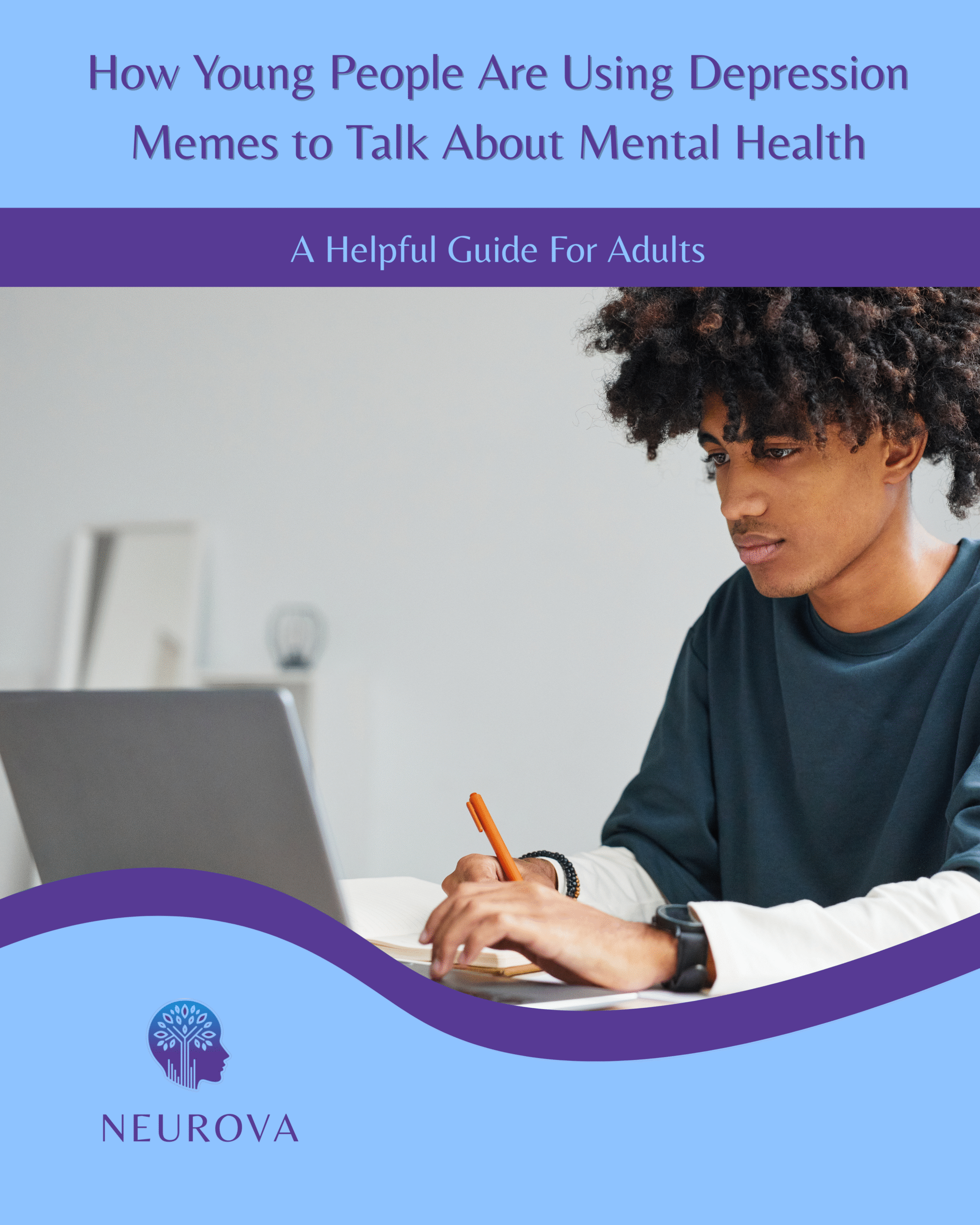
In recent years, depression memes have become a prominent part of youth culture, especially on platforms like Instagram, TikTok, and Reddit. These memes use humour, irony, or dark wit to describe feelings of sadness, anxiety, and hopelessness—emotions that many young people experience but find difficult to articulate in traditional conversations. While some might dismiss them as simply jokes, these memes have evolved into a form of digital self-expression, allowing individuals to share experiences and emotions in a way that feels relatable and non-threatening.
For many teens and young adults, these memes act as a mirror reflecting their inner world—often making them feel less alone in their struggles. When someone encounters a meme that perfectly encapsulates a feeling they’ve had but couldn’t put into words, it can create a sense of validation and connection.
Some Notable Memes
Certain meme formats have become particularly well-known in the mental health space. Popular examples include the “This Is Fine” dog sitting in a burning room, which humorously depicts ignoring escalating problems, or the “Brain: No” format, where intrusive thoughts or depression symptoms are personified. Other memes use screenshots from shows like BoJack Horseman or SpongeBob SquarePants to highlight the tension between public appearances and private struggles.
These recurring formats work because they’re instantly recognizable and adaptable to different experiences, making them a shared cultural language among people who may never meet in real life but understand each other’s emotional reality.
How Depression Memes Can Help Fight Stigma
One of the most powerful impacts of depression memes is their role in reducing mental health stigma. In societies where openly discussing mental illness can still be met with judgment, memes offer a safe, indirect way to broach the subject. Humour softens the conversation, making it easier for people to acknowledge feelings they might otherwise hide.
By seeing others post, like, or share these memes, individuals may realize that depression and anxiety are more common than they thought. This normalization can encourage more open conversations—both online and offline—and make it easier for people to seek help without fear of being labeled.
Trying to Get to the Message Behind the Memes
While the humour in depression memes can be entertaining, it’s important to look deeper. Many of these memes carry an underlying message—whether it’s a cry for help, a reflection of deep emotional exhaustion, or an attempt to make sense of personal pain.
For mental health professionals, parents, and friends, paying attention to these posts can offer valuable insight into how someone is coping. They may reveal patterns of thought or emotional states that the person is hesitant to discuss openly.
How Adults Can Help a Young Person Who Shares Memes
If you’re a parent, teacher, or mentor and notice a young person frequently sharing depression memes, it’s worth approaching the subject with empathy rather than alarm. Starting the conversation with curiosity—“I noticed you shared that meme, and it made me wonder how you’re feeling lately”—can open the door without making them defensive.
Offering a non-judgmental space where they can talk about what the meme means to them can help you better understand their emotions. In some cases, these conversations can be the first step toward connecting them with supportive resources or professional help.
Why Memes Make Mental Health Conversations Easier
Memes often work as conversation starters because they package heavy topics into digestible, relatable content. A young person might find it easier to say, “This meme is exactly how I feel,” than to launch into a detailed description of their symptoms.
In group chats, comment sections, or online communities, memes can spark discussions that wouldn’t happen otherwise. They remove some of the seriousness that can make mental health conversations intimidating, allowing people to express vulnerability without feeling overly exposed.
Healthy Ways to Engage With Depression Memes
While depression memes can foster connection, constant exposure to negative humour can also reinforce hopelessness if not balanced with healthier coping strategies. It’s important to engage mindfully—sharing memes occasionally, but also seeking supportive conversations, practicing self-care, and accessing professional help when needed.
Young people can benefit from curating their feeds to include uplifting or informative content alongside memes, ensuring they’re not only validating their feelings but also finding ways to improve their well-being.
Memes as a Gateway to Support
For some, memes are a first step toward seeking help. Posting a relatable meme can act as a subtle signal to friends that they’re struggling. In certain cases, those friends respond with check-ins, advice, or encouragement to seek therapy.
In this way, memes become a bridge—transforming online humour into real-life support networks. When handled well, they can lead to meaningful connections and positive action.
How Social Media Platforms Shape the Trend
The popularity of depression memes is partly shaped by how social media algorithms prioritize content. Platforms like Instagram and TikTok reward highly relatable, shareable posts, meaning that a well-crafted meme can spread rapidly and reach millions.
However, this also means that trends can exaggerate or oversimplify complex mental health issues. Social media platforms play a role in both amplifying awareness and—unintentionally—encouraging repetitive exposure to distressing content.
FAQ – Depression Memes
Q: Are depression memes harmful?
A: Not inherently. For many, they offer comfort and community. However, overexposure without seeking real support can reinforce negative thinking.
Q: Can memes replace therapy?
A: No—while memes can make mental health conversations easier, they should not be seen as a substitute for professional help.
Q: How can I respond if someone sends me a depression meme?
A: Acknowledge it with empathy, and consider asking how they’ve been feeling lately.
Q: Do therapists use memes in sessions?
A: Some therapists incorporate memes or humor to help clients express themselves, especially with younger clients.
Q: What if a meme feels too close to home?
A: Take it as a sign to reflect on your mental health and consider reaching out for support.
Conclusion
Depression memes are more than internet jokes—they’re part of a larger cultural shift in how young people talk about mental health. While they can’t replace therapy, they can break down barriers, encourage openness, and even act as a first step toward seeking help.
At Neurova, we understand that mental health support needs to be accessible and relatable. If you or someone you know is navigating feelings of depression or anxiety, we’re here to help—both online and in person.
Click here to book your first session with Neurova: https://neurova.ca/therapy/
If you’re a student, ask us about our free therapy options and start your journey toward better mental well-being today.