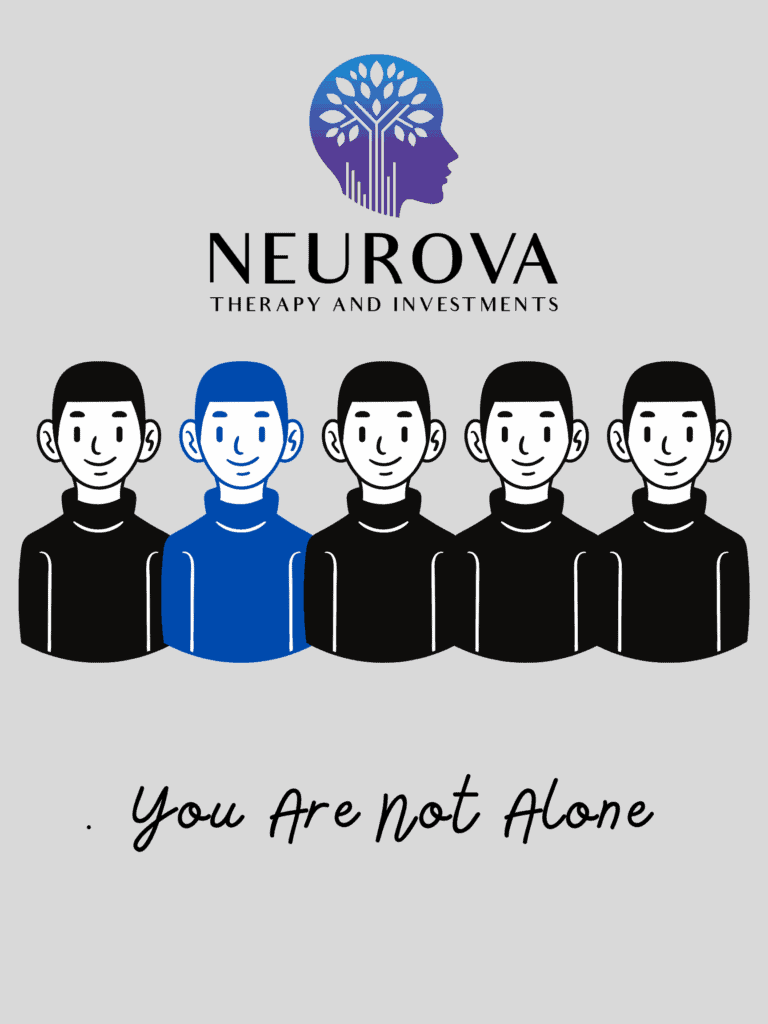
Ever feel like you’re surrounded by people but still completely alone?
You’re not imagining it. That gnawing sense of disconnection, even while sitting in a packed lecture hall or scrolling through group chats you barely speak in, is real. And if you’re a university student in the GTA, it might be hitting you harder than most. The good news? There’s free therapy for university students in the GTA, and it could be exactly what you need. Being in a new city, away from home, thrown into a whirlwind of academic pressure, and expected to “find your people”? It’s overwhelming. But here’s the truth: you don’t have to figure it all out alone.
Let’s Be Honest: University Can Be Lonely as Hell
Everyone tells you this is the best time of your life. New city, new friends, new adventures. But no one warns you how isolating it can be. You leave the comfort of your hometown and find yourself in a city that never stops moving, but where you feel completely stuck.
How do you make friends when everyone seems to already have theirs? How do you calm your anxiety when you’re eating lunch alone again, scrolling like it’ll save you? How do you stop feeling like you don’t belong here?
Truth is, you’re not alone in feeling alone. Research shows nearly 65% of college students report feeling isolated, with that number even higher for marginalized students. This isn’t just homesickness, it’s a mental weight that makes even the smallest tasks feel impossible. And if you’ve ever asked yourself, “Is something wrong with me?”, let’s shut that thought down right now.
There is nothing wrong with you.
Why Does This Hit So Hard?
1. Social Anxiety Is Real.
You think about saying hi, joining that group chat, or walking into a campus event… and then you freeze. Your mind floods with “what ifs” and you end up skipping out. Again. The anxiety builds on itself, making every future attempt feel more daunting than the last.
2. Friendships Take Time, But That Doesn’t Make It Easier.
You’ve met people. Maybe even a lot of people. But how many really know you? It’s easy to confuse being around others with being connected. And you’re craving something real. That emotional safety net, where someone actually listens to you and gets it, that’s rare.
3. New Environment = Total Disorientation.
You’re not just adjusting to university, you’re adjusting to adulthood, city life, new expectations, and probably a whole lot of pressure from yourself. It’s a lot. No one hands you a manual for this. Everything is unfamiliar, from the transit system to grocery shopping to group assignments, and it wears on you.
Add to that the pressure to perform well academically, maintain a social life, and “figure out” your future, and it’s no wonder that your mental health might take a hit. The invisible weight of expectations, yours and others’, can quietly erode your confidence, making you question every decision you make.
But guess what? You don’t have to white-knuckle your way through this phase of your life.
How to Start Feeling Better, Without Waiting for Everything to ‘Click’
Let’s focus on what you can start doing right now. Here are a few tips that genuinely help students feel more connected, calmer, and in control:
1. Make Micro-Moves Toward Connection
You don’t have to go to every campus event or make a dozen new friends overnight. Start small. Say hi to someone in class. Join a club that aligns with your interests, even if you’re shy. Send a DM to someone in your group chat. Small steps build real confidence.
2. Build a Routine That Grounds You
When life feels chaotic, routine helps. Set a consistent wake-up time, eat at regular intervals, and give yourself dedicated time to study, and rest. Even simple routines can make your world feel more stable.
3. Use the Campus Resources You Already Pay For
Your university likely has peer support groups, wellness centers, career advisors, or mentorship programs. These aren’t just for when you’re in crisis, they’re for building community and finding your path.
4. Journal Honestly, Even If It’s Messy
Writing down your feelings, even just for five minutes a day, helps you process what’s going on. It’s not about grammar or structure. It’s about getting your thoughts out where you can see them. Journaling takes all the thoughts and anxieties floating around in your mind and gets them down on paper so they don’t weigh you down as much. It brings a sense of clarity and calm.
5. Get Outside, Even If You’re Just Walking to the Corner Store
A quick walk in fresh air (especially with no headphones) can improve your mood. Nature, movement, and sunlight can go a long way toward easing anxiety and clearing your head.
These tips won’t solve everything, but they’re a place to start. They’re not about becoming a new person overnight, they’re about taking care of the version of you who’s trying.
How Therapy Can Actually Help
Understand What’s Holding You Back: You’ll unpack the real reasons behind your loneliness, not just surface-level stuff.
Get Strategies That Actually Work: From how to manage anxiety to initiating real conversations, a therapist can provide tools that fit your life.
Create Real Connections: It can help you take small but meaningful steps toward friendships, community, and confidence.
Strengthen Your Identity: College is a time when a lot of students are figuring out who they are. Therapy can help you explore your beliefs, boundaries, and values in a non-judgmental space.
Learn How to Self-Regulate: You can learn techniques to manage stress and feeling overwhelmed, so you’re not stuck in survival mode.
Neurova: Your Alternative to Struggling in Silence
You could stay curled up in your dorm watching Netflix again, wondering why everyone else seems to have it figured out. Or… you could talk to someone who actually gets it.
Neurova offers free therapy for university students in the GTA, and no, we’re not talking about months-long waitlists or awkward phone calls.
Here’s the secret: support is available right now, and it’s already paid for by your school insurance. That means you’re not starting from scratch. You’re taking the next step using resources that are already there for you.
Why Students Are Choosing Neurova
Therapists Who Understand University Life: We specialize in adjusting to university, navigating loneliness, and tackling social anxiety. We’re not just here to listen, we’re here to guide you.
Flexible Appointments That Fit Your Life: Classes, jobs, midterms, we get it. That’s why we offer open availability throughout the week, including evenings and weekends. Therapy should work around your schedule, not become another source of stress.
Diverse, Skilled Professionals: Our therapists come from various cultural backgrounds and life experiences. Whether you’re struggling with identity, faith, sexuality, or just finding your place, we have someone for you. You deserve to talk to someone who understands your story.
Completely Free Therapy, Covered by Your Plan: If you attend university in the GTA, you’re likely already paying for coverage in your tuition. That means $0 out of pocket. No hidden fees. No financial stress. No excuses.
FAQ: Let’s Address the Doubts
“What’s the point of therapy?”
It’s about connection. With someone who cares, listens, and is trained to help you overcome what you’re feeling. It’s not just venting, it’s problem-solving with a pro in your corner. Someone to help you unpack your thoughts, redirect your energy, and rediscover your inner compass.
“What change is actually possible?”
A lot. Our therapists have worked with hundreds of students facing the same things. You’ll walk away with actual tools to help you make friends, ease anxiety, and start feeling like yourself again. You might not become a social butterfly overnight, but you’ll learn how to build genuine, steady connections.
“Isn’t therapy expensive?”
Not here. It’s completely free, covered by the student health plan you already pay for. That means no cost, no catch. It’s the mental health support you deserve, without the financial barrier that stops most people from even starting.