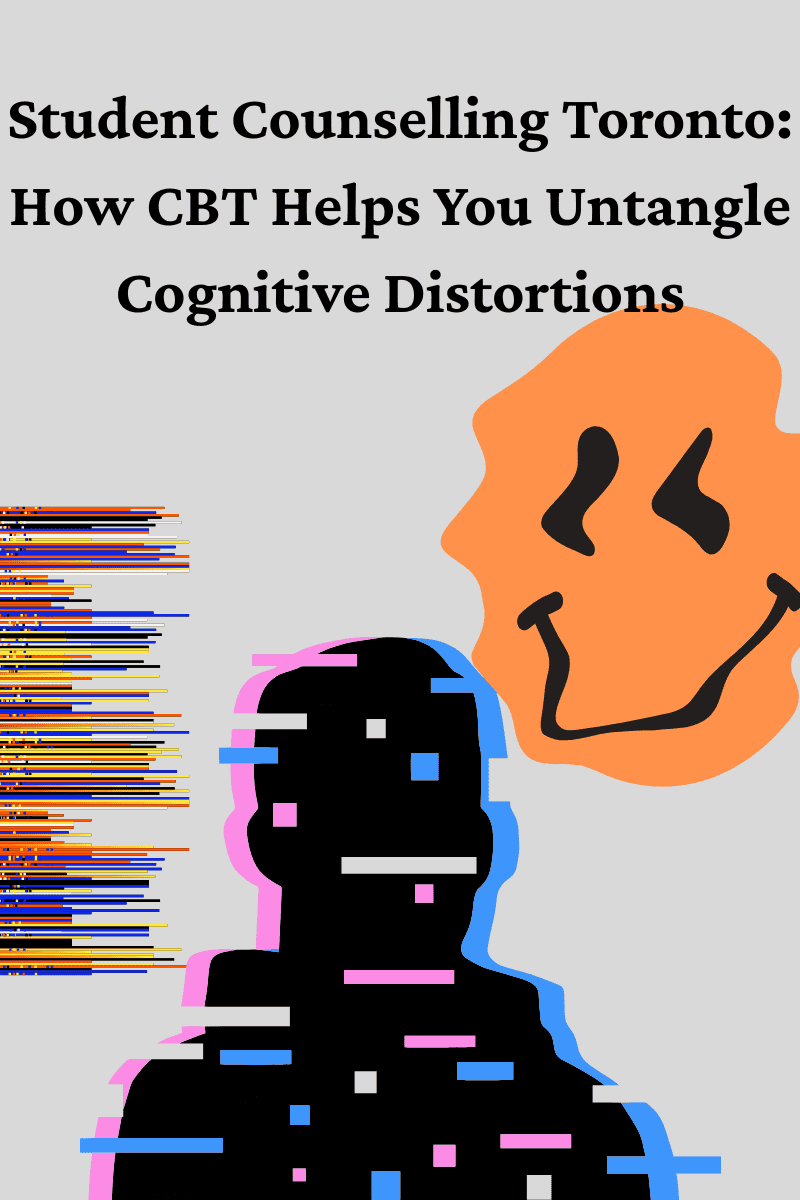
Ever found yourself replaying a conversation over and over, convinced you said something wrong? Or assumed your prof hates you because they gave a vague reply on Quercus? If your thoughts constantly feel like a maze of stress and worst-case scenarios, you’re not alone. Many UTM students are silently battling distorted thinking patterns without even realizing it—and that’s why student counselling in Toronto that focuses on CBT (Cognitive Behavioural Therapy) can make all the difference.
The Invisible Loops That Trap You: What Are Cognitive Distortions?
Cognitive distortions are sneaky, automatic thought patterns that warp reality. They usually go unnoticed, but they shape how you feel, behave, and react. And yes—everyone has them. Here are a few that might sound familiar:
All-or-nothing thinking: “If I don’t ace this exam, I’m a total failure.”
Mind reading: “They didn’t say hi on campus—they must hate me.”
Catastrophizing: “I missed one assignment. I’m going to fail the course.”
Labeling: “I’m lazy, that’s why I can’t get anything done.”
These thoughts aren’t facts—they’re distorted perceptions. But when you don’t know they’re distortions, you accept them as truth. And that’s when things spiral.
The Real-World Impact of Living With Distorted Thinking
Cognitive distortions don’t just live in your head—they affect your grades, relationships, confidence, and well-being.
Academics: Procrastination, burnout, and test anxiety thrive when you’re convinced you’re not smart enough or destined to fail.
Relationships: You withdraw, lash out, or misinterpret people’s intentions because you assume the worst.
Mental health: Distortions feed cycles of anxiety, depression, and low self-worth.
Self-sabotage: You start avoiding opportunities because failure feels inevitable.
When you’re stuck in these loops, it’s easy to think, “That’s just who I am.” But it’s not. These are learned patterns—and that means they can be unlearned.
But If I Don’t Even Know I’m Doing This… How Can I Fix It?
That’s the frustrating part—you don’t know what you don’t know. Most students aren’t even aware they’re caught in these traps. You just feel off. Disconnected. On edge. Constantly second-guessing yourself. You think maybe you’re just “bad at life,” when really, you’re dealing with distorted thinking that’s completely normal—and totally fixable.
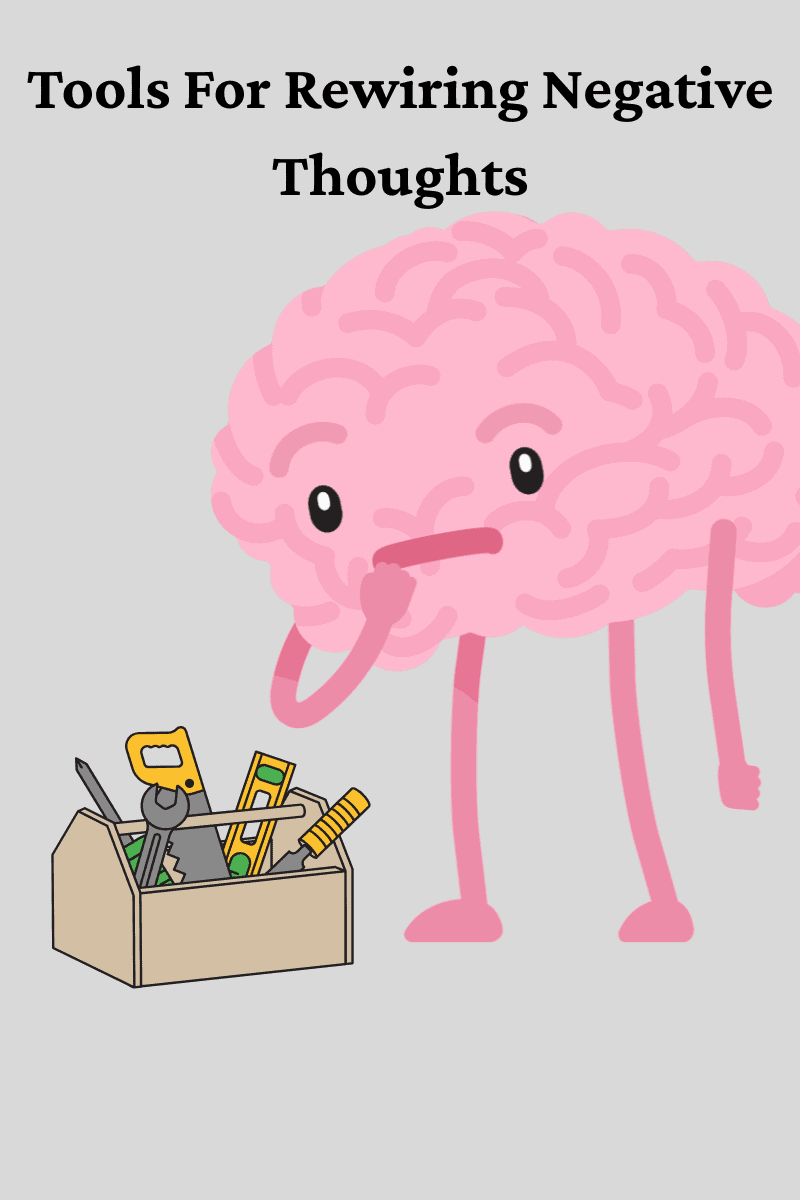
CBT: A Toolbox for Rewiring the Way You Think
Cognitive Behavioural Therapy (CBT) isn’t just about talking—it’s about learning. It’s structured, practical, and backed by science. It helps you:
Spot distorted thoughts the moment they arise
Examine them critically (like “what evidence do I actually have for this thought?”)
Replace them with more balanced, grounded alternatives
Change your emotional and behavioral responses over time
Think of CBT like a mental fitness program. The more you practice, the better your brain gets at not defaulting to negativity, fear, or shame.
UTM Life and Cognitive Overload
If you’re at UTM, you’re likely juggling way more than people realize. The long shuttle rides, packed class schedules, cold Tim Hortons bagels at Deerfield, and the stress of midterms hitting all at once—it adds up. You’re expected to keep it all together, but internally you’re in full-blown “I’m failing at life” mode because you misread one email.
CBT helps you decode these moments and stop catastrophizing before your anxiety hijacks your whole day.
But I’ve Tried Everything… And Still Feel Stuck
That’s normal too. Watching TikToks about “self-love” or journaling once a month won’t cut through deeply wired distortions. Real change comes from structured reflection, feedback, and learning how your mind works.
Student counselling rooted in CBT gives you an actual framework to understand why you think the way you do—and what to do about it.
FAQ
“I don’t think I need help, even though I keep having these same issues…”
If the same emotional pain keeps showing up—self-doubt, anxiety, burnout—that’s a signal. You don’t need to hit rock bottom to benefit from help.
“This is just the way I am. How would I even change?”
You’re not broken—you’re running mental programs you didn’t choose. CBT teaches you how to update them, like software. It’s about skill-building, not “fixing.”
“I’ve never heard of cognitive distortions. How do I even start?”
Start with awareness. Learn what they are. Pay attention to your inner dialogue. Then learn how to challenge and shift the patterns that no longer serve you. That’s the CBT process.
You Deserve Support—Without Delay
If you’re a university student looking for affordable therapy for students in Toronto, or even specifically searching for University of Toronto Mississauga counselling, there are real options out there. Neurova offers free Mississauga therapy with no waitlist, tailored to UTM students. Our CBT-trained therapists help you finally understand what’s going on in your head—and how to move forward. Visit us to get the mental health support you’ve been looking for. You don’t have to keep guessing why you feel off. Let’s figure it out—together.